
Auckland holds more Pacific Islanders than any single city on earth, including the capitals of the islands themselves — more Samoans live here than in Apia. That fact does not announce itself from the motorway or the waterfront skyline; it lives a short drive south, in a cluster of suburbs where a market opens before dawn on Saturdays, small kitchens keep recipes carried across the Pacific in the 1950s and 60s still burning, and church halls fill after the Sunday service lets out. This is a guide to finding that city — not the one printed on the postcards, but the one that still cooks for its neighbours.
A note on the title before the streets: the closest thing to a bookable, walk-in-off-the-street Sunday feast in this part of Auckland is not a market — it is a buffet hall, and I say so plainly below. The market itself runs on Saturday morning only. Both are worth building a weekend around; they are simply not the same day.
Saturday morning at Ōtara Market
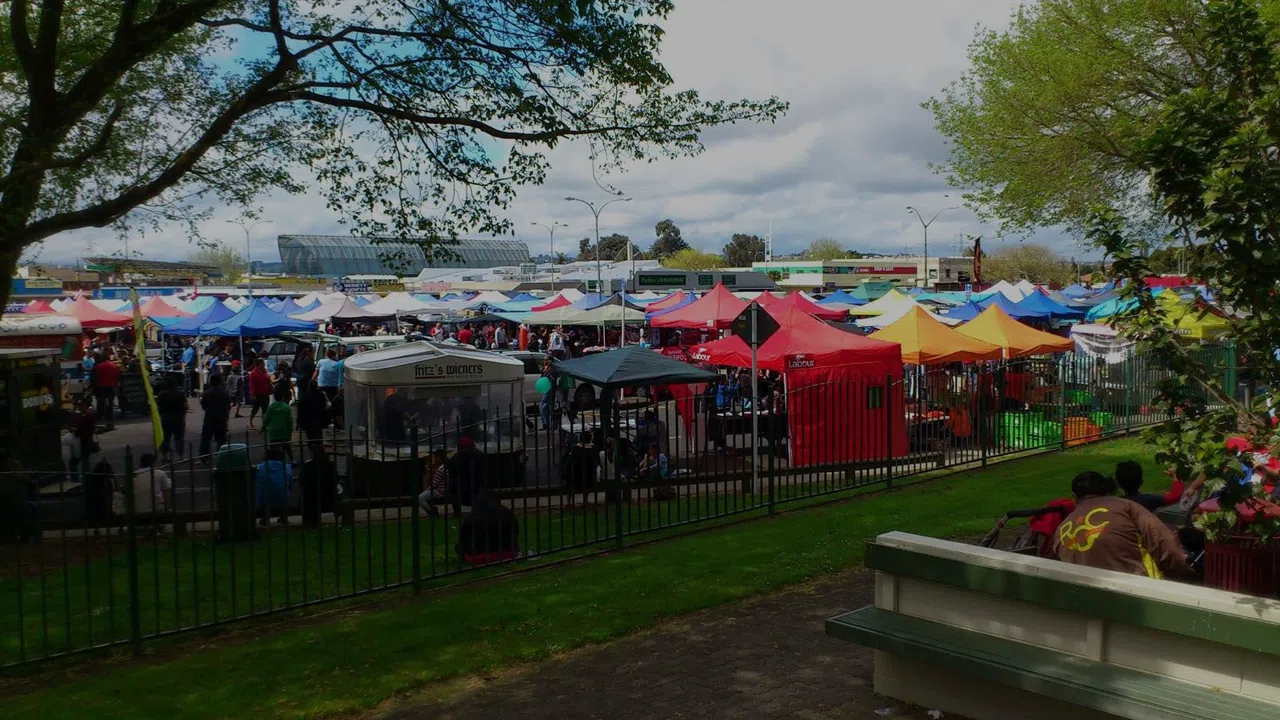
Ōtara Market (Ōtara) has been setting up before sunrise since the 1970s, and in August 2025 the council renewed its licence for another five years, so it is not going anywhere soon. It runs Saturdays only, 6am to noon — there is no Sunday sitting, which matters if you are planning a weekend around it and assuming, as many visitors do, that a market this central to community life would run every day. It does not, and the strip's Sunday cooking (below) is a different, calmer scene entirely.
What the market does have is scale and informality: open-air stalls, free entry, no booking required, produce and prepared food running from about NZ$2 for a snack to NZ$15 for a full plate. It absorbs visitors easily because it was built for crowds — Ōtara has always drawn buyers from across South Auckland — but the food aisle is narrow and the pace is set by shoppers doing their weekly run, not by tourism. If you're travelling with a group, the market handles you fine as long as you keep the group small and move with the flow rather than clustering around a single stall. Go early; by mid-morning the best of the hot food has often sold through, and by noon it's over for the week.
Ōtāhuhu: a food strip that never needed a tourist board
A few minutes' drive from Ōtara, Ōtāhuhu is where the density of Pacific cooking per block is hardest to find anywhere else in the country. None of it was built for visitors — it was built for the families who settled here from the 1960s onward — which is exactly why it rewards a slow, honest look rather than a checklist.
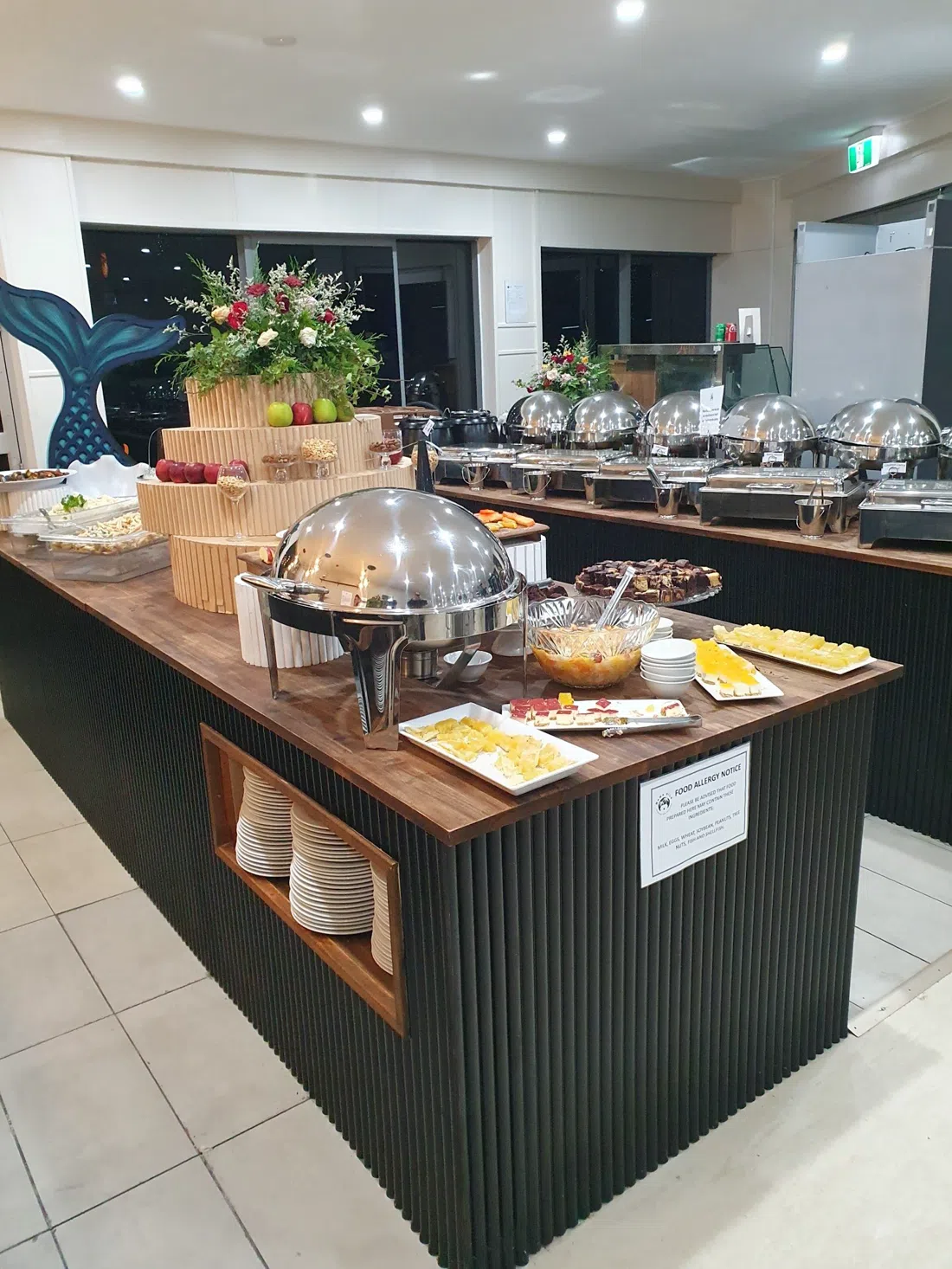
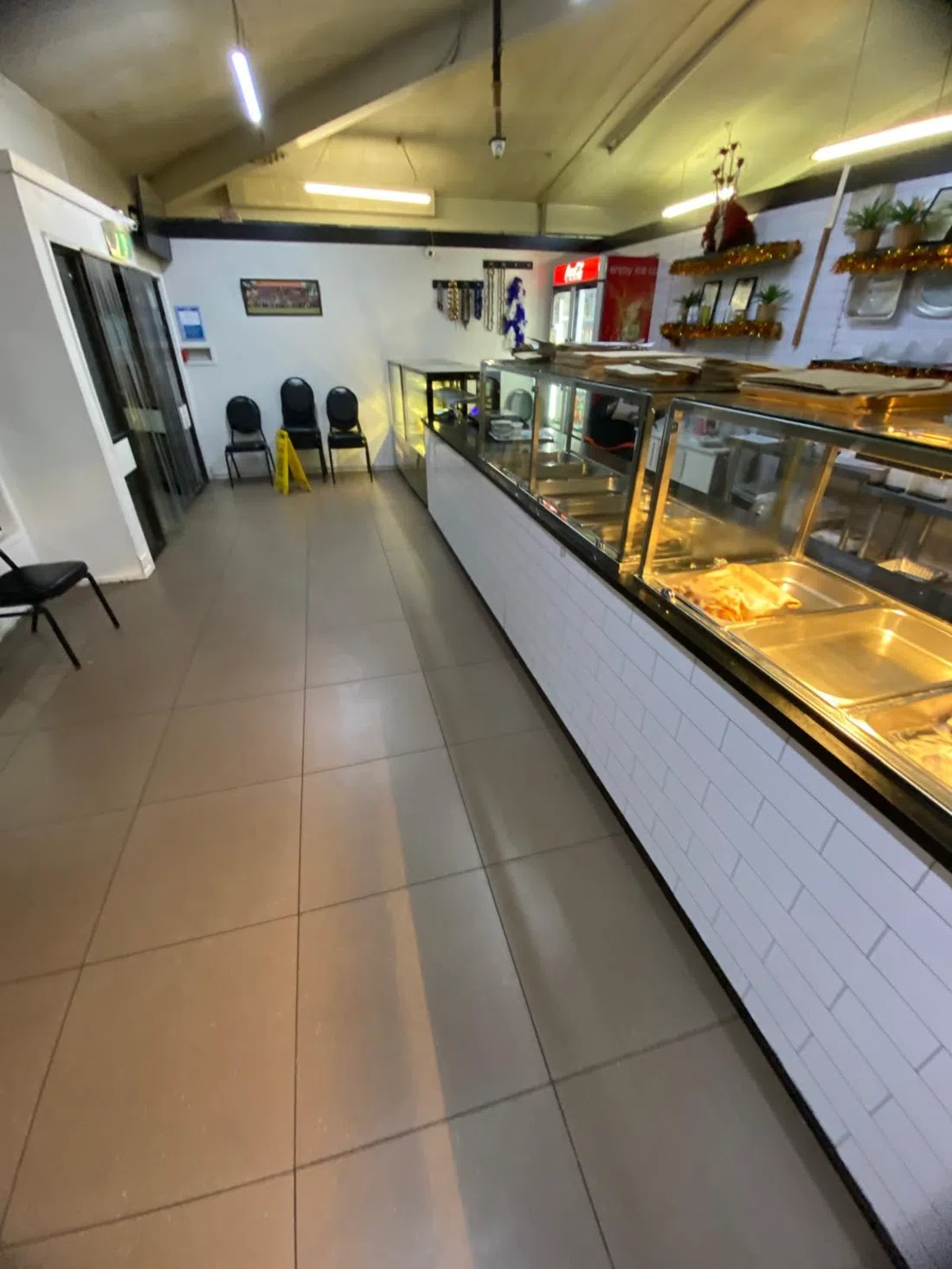
The closest thing to that Sunday-feast image most people carry in their heads — a room full of people, a long buffet, the sense of an umu somewhere behind the scenes — is Mama Sila Restaurant & Event Centre (Ōtāhuhu). Its event centre seats up to 150 and does both venue hire and tray orders for groups who want to bring the food to their own gathering, but the simplest way in is the daily buffet lunch, around NZ$40 a head. It's open every day of the week, 10am to 8pm, which makes it the one place on this strip a visitor can reliably walk into on a Sunday and find a proper spread rather than a shuttered door. It won't have the theatre of an actual umu being dug and covered — for that, see the guided option further down — but as a bookable, welcoming stand-in for a communal Pacific Sunday meal, it's the honest answer.
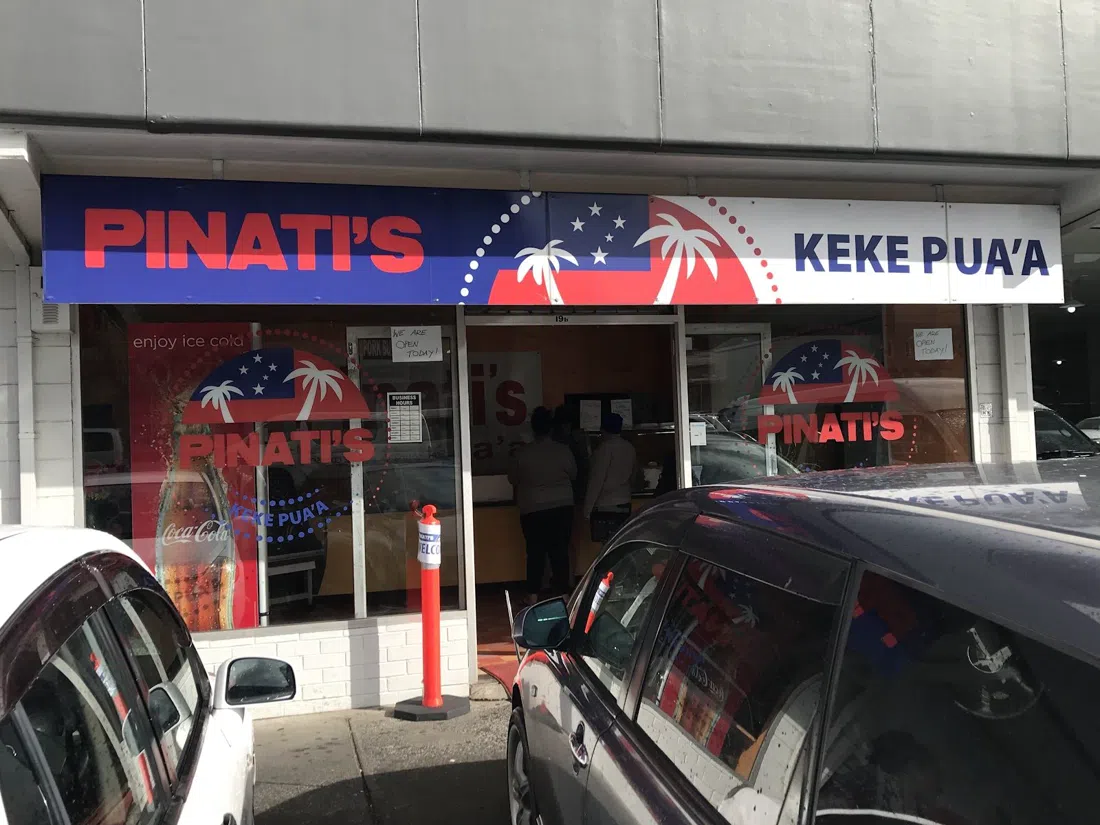
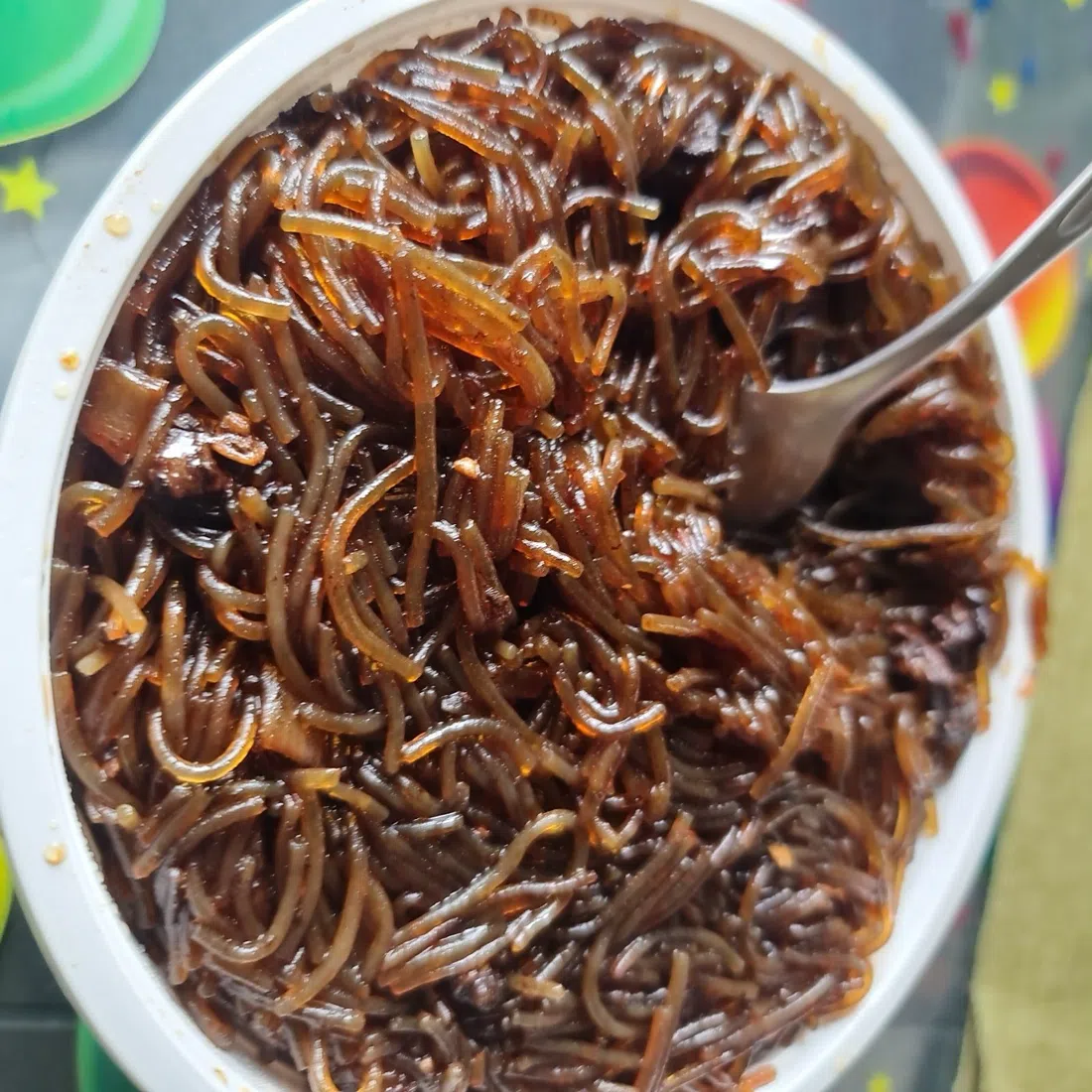
For something smaller and older, Pinati's Keke Pua'a (19A Queen Street, Ōtāhuhu) has been selling Samoan pork buns from the same counter for 23 years — a genuine institution rather than a novelty stop. It's a takeaway window, not a sit-down room, so it suits two or three people ducking in rather than a coach group standing around outside; buns and small items run NZ$2 to NZ$6, and it's open Monday to Saturday, 7:30am to 6pm, closed Sunday. Time a visit for the Saturday market run and you can eat one on the walk between stalls.
Ulutoa & Sons (Māngere Road, Ōtāhuhu) is casual counter service — order, pay, sit or take away — and good for a small group wanting a mixed plate to share, NZ$5 to NZ$20. The family started in Avondale in 2005 and opened this Ōtāhuhu branch in 2012, which makes it a second-generation business rather than a one-off stall, and it's a useful example of how much of this strip's depth is built on businesses that have quietly expanded rather than come and gone.
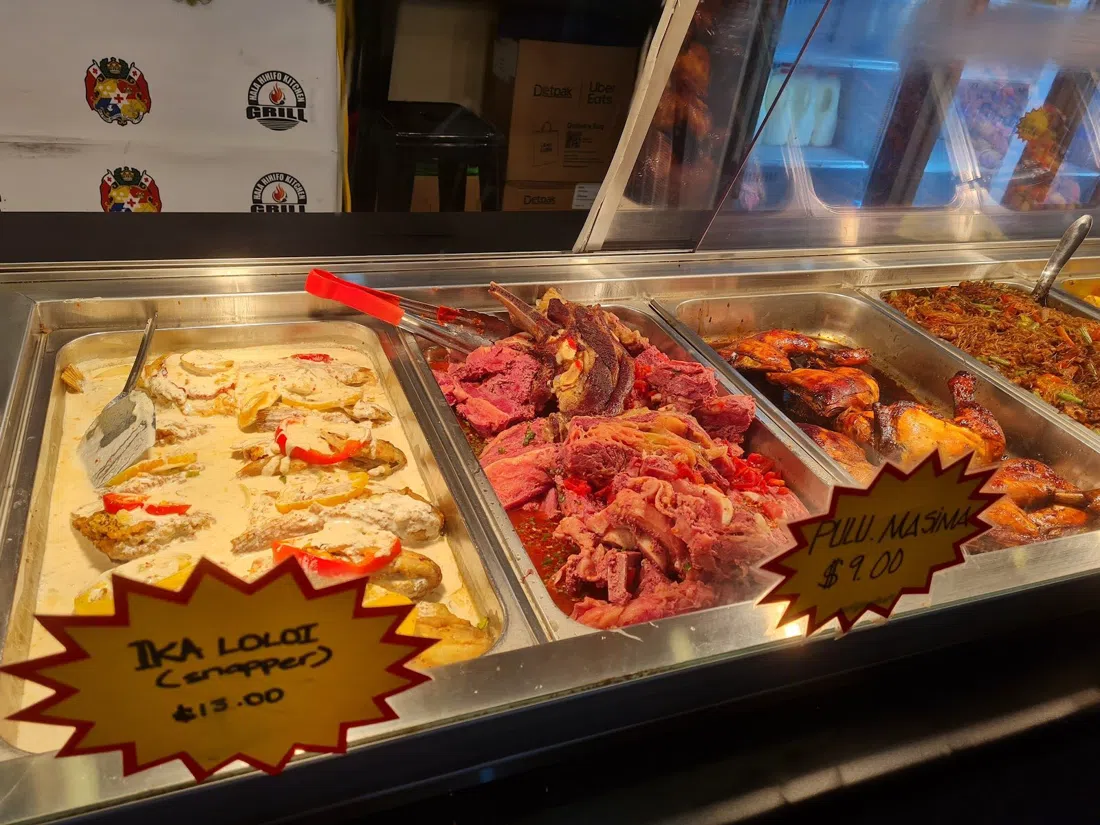
For a different island tradition on the same street, Hala Hihifo Kitchen & Grill (471 Great South Road, Ōtāhuhu) is Tongan rather than Samoan, and it's genuinely set up for newcomers: proper sit-down tables and staff who are used to talking a first-timer through the menu, which matters if you don't already know your lu sipi (lamb and taro leaf parcels) from your ota ika (raw fish marinated in coconut cream and citrus). Dishes run NZ$15 to NZ$30, and it's open Monday to Saturday, 9am to 11:30pm — again, closed Sunday, so build it into a Saturday visit alongside the market and Pinati's.
Evelina's Polynesian Food has run for around 25 years across two South Auckland locations, Clendon Park and Ōtara, which makes it one of the longest-serving Samoan kitchens in the south. It's takeaway-led and can queue up at peak lunch hours; fine for a couple of visitors happy to wait their turn, less workable for a large group wanting to sit together, NZ$5 to NZ$20 a plate.
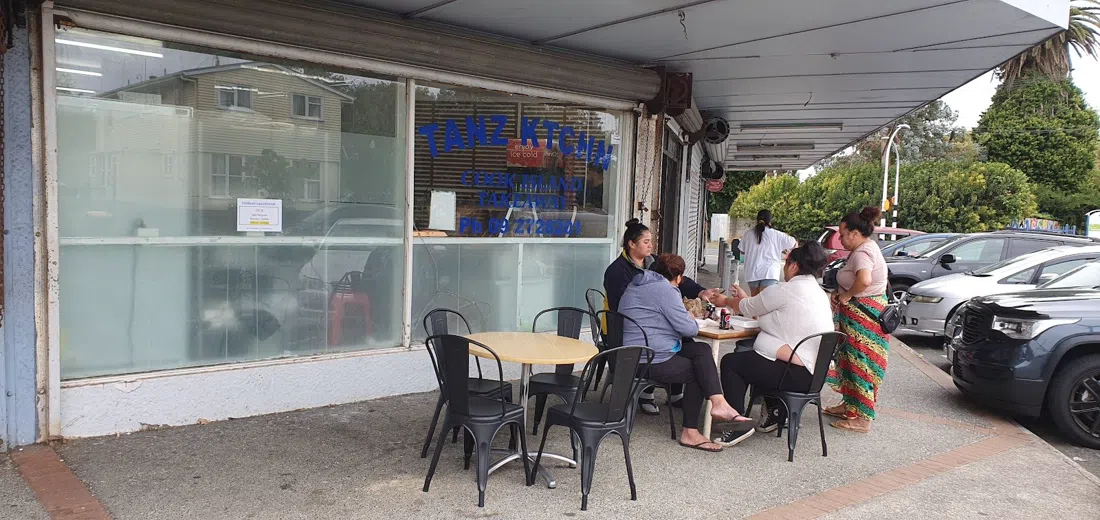
And for balance against the Samoan and Tongan weighting of most of this strip, TANZ Kitchen is one of the few dedicated Cook Islands kitchens in the area — a small takeaway counter that also turns up as a stall on the South Auckland night-market circuit, NZ$8 to NZ$20 a plate. It's worth seeking out specifically because Cook Islands food is otherwise underrepresented on this list, and the flavours (raw fish in coconut cream, ika mata, are close cousins of the Tongan ota ika but distinct) are worth the small detour.
South to Papatoetoe
The food geography doesn't stop at Ōtāhuhu. Viviane Cuisine & Services in Papatoetoe is a small, takeaway-first Samoan counter — it's also on the delivery apps if you're staying nearby rather than driving out — and it's worth naming mainly to make the point that this isn't one street's story. Dishes run NZ$10 to NZ$20, and the room to sit in is minimal, so treat it as a stop on the way through rather than a destination meal.

Beyond the plate: galleries and stages
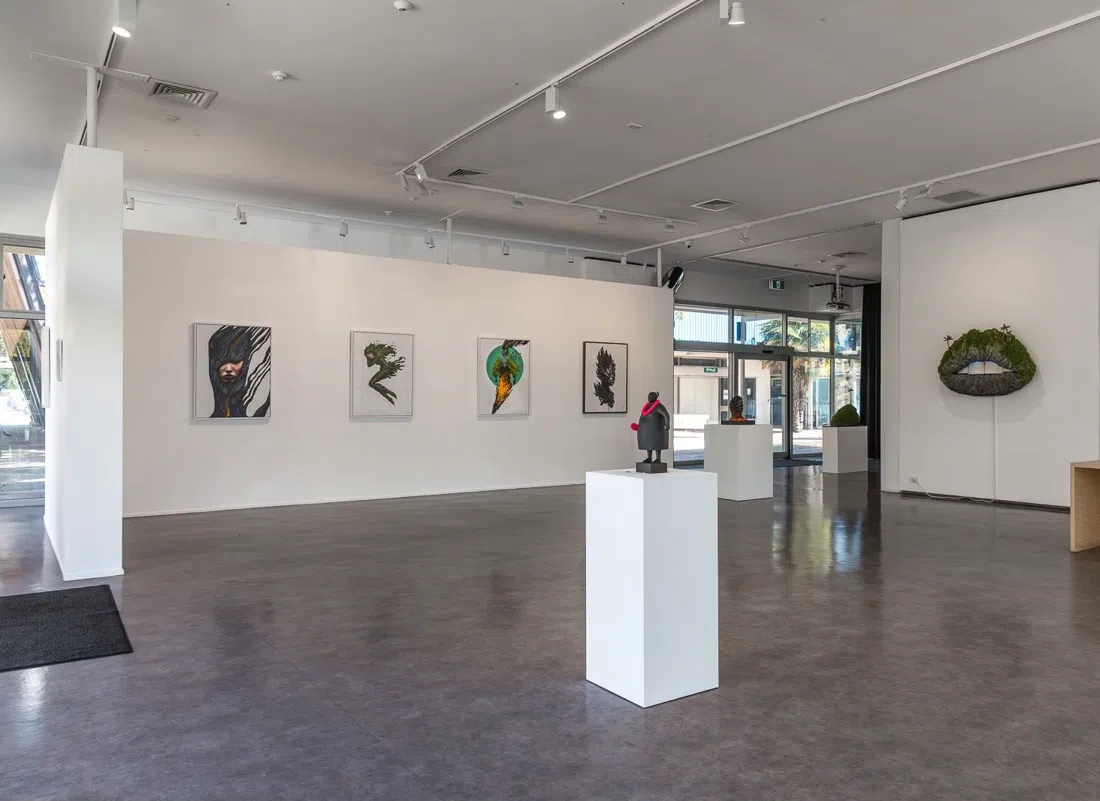
Food carries most of this piece because it's the most accessible entry point for a visitor, but the Pacific presence in South Auckland isn't only culinary. Fresh Gallery Ōtara, a short walk from the Saturday market, is a free public gallery showing contemporary Pacific and Māori art — easy to fold into a market morning, no booking needed, open Tuesday to Friday 10am to 5pm and Saturday 8am to 2pm (closed Sunday and Monday, so pair it with the market rather than a weekday trip).
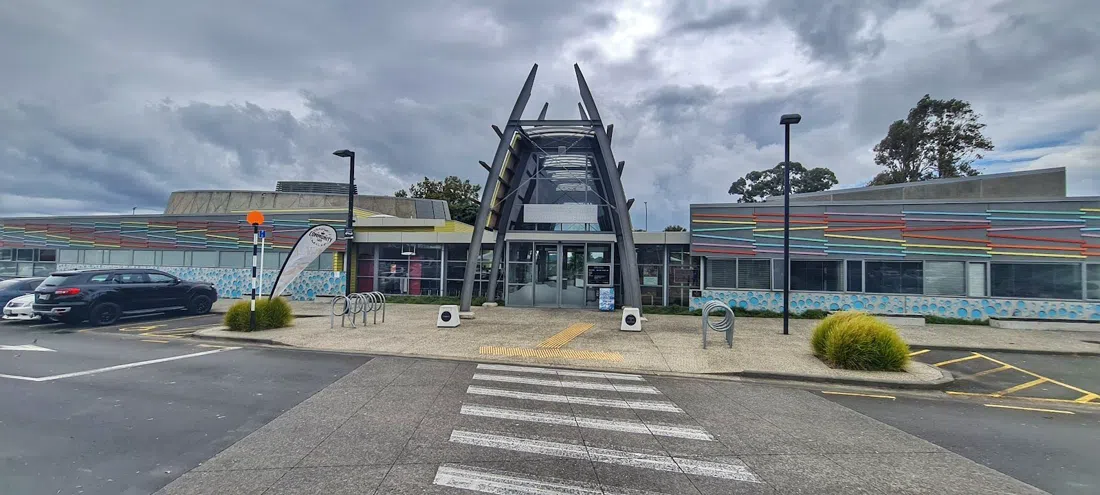
Māngere Arts Centre – Ngā Tohu o Uenuku, in neighbouring Māngere, runs a programme of workshops and performances aimed at Pacific and Māori arts specifically, free or low-cost depending on what's on. In 2026 it hosted the Pacific Dance Festival, which opened on 5–6 June — a reminder that the calendar here is genuinely active year-round, not built around one festival weekend.
The two festivals worth planning a trip around
If you can only be flexible about one thing on a visit, make it timing around these two. Pasifika Festival is free, entirely open-air, and built for exactly the kind of crowd a visitor can drop into without feeling out of place — it's the single largest public expression of "a village in a city of two million" that Auckland puts on. It returns to Western Springs on 14–15 March 2026.
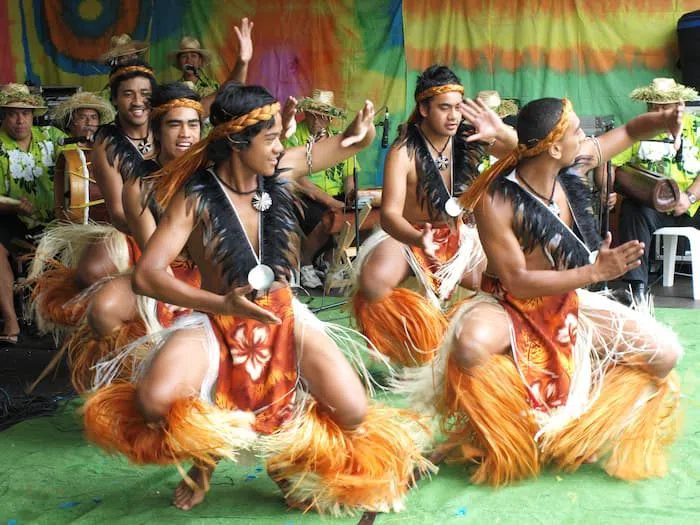
A week later, ASB Polyfest — running since 1976 and now the largest event of its kind in Australasia, drawing more than 80,000 visitors — is technically a secondary schools cultural festival, but it's public and ticketed at a modest NZ$10 (under-fives free), with Pacific and Diversity stages running 18–21 March 2026 at Manukau Sports Bowl. Between the two, mid-to-late March is by some distance the best window to see Auckland's Pacific communities perform at scale, but it is a specific week, not a year-round drop-in — plan around those dates or you'll miss both.

For a guided version of the feast
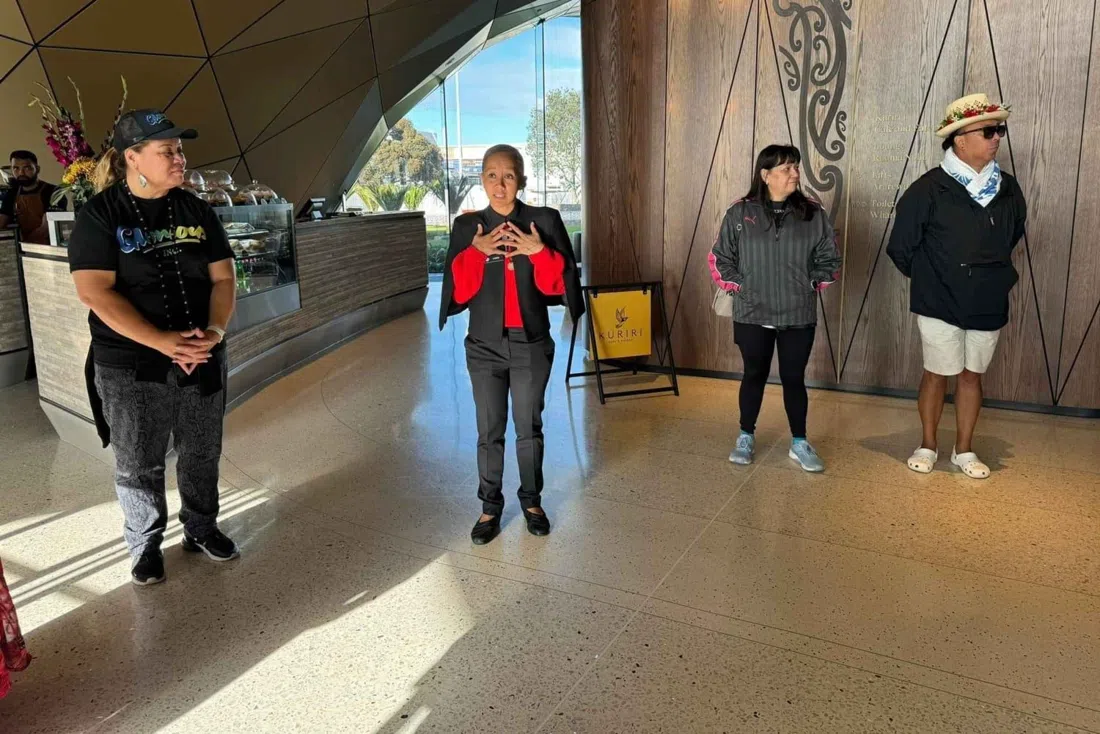
Not every visitor wants to navigate opening hours and counter etiquette alone, and there's no shame in that. Auckland Urban Māori Experience with Hangi Lunch, run by Glorious Inc, is a purpose-built small-group day tour with English narration, designed specifically for people who want the hosted version of the umu-and-feast idea rather than showing up cold to a community event. At roughly NZ$264 per person for a full day, it's a different kind of spend to a NZ$40 buffet or a NZ$5 bun, but it's the one option here explicitly built for visitors, booked in advance, and it solves the access problem the rest of this list doesn't try to.
Practical notes
Getting there: Ōtāhuhu has its own train station on the Southern Line, so the food strip is reachable without a car if you're staying central. Ōtara is less well served by rail — a rideshare or a rental car is the realistic option for the Saturday market, and it also makes hopping between Ōtara, Ōtāhuhu and Papatoetoe in one day far easier than relying on buses alone.
Cash and card: most of the sit-down restaurants (Mama Sila, Hala Hihifo, Ulutoa & Sons) take cards without issue. At the market and the smaller takeaway counters, cash still smooths things along, particularly for small NZ$2–6 purchases where a card minimum can be awkward — carry some.
Timing: Saturday is the strongest single day to visit — market in the morning (arrive before 9am for the best of the hot food), Pinati's and Hala Hihifo open, Fresh Gallery Ōtara open until 2pm. Sunday narrows your options considerably; several of the smaller kitchens close, which is exactly why Mama Sila's daily buffet is the honest recommendation for a Sunday visit rather than an assumption that the market or the smaller counters will be running.
Budget: a full day of grazing across the market and the strip — a bun at Pinati's, a shared plate at Ulutoa & Sons, a gallery stop, and the Mama Sila buffet for a proper sit-down meal — comes in comfortably under NZ$60 a person. The guided hangi experience is the outlier at around NZ$264 per person but includes transport, narration and a full day, so it's a different product rather than a pricier version of the same one.
For where to sleep before an early Saturday market start, see the Auckland hotel search; for the rest of the city beyond this southern arc, the full Auckland guide covers it.