
Auckland's winter solstice arrives quietly, somewhere in the third week of June, when the sun clears Rangitoto a little after seven and is gone again by half past five. The city does not fight the dark so much as lean into it: this is Matariki country, and the reappearance of a small star cluster above the eastern horizon each winter has marked the Māori new year here for centuries, long before anyone thought to call the shortest day a public holiday. What follows, through July, is less a single festival than a loose season of light, warmth and unhurried company — the kind of thing a visitor only finds by staying past the summer brochures.
Matariki itself is named for the star cluster known elsewhere as the Pleiades, and its dawn reappearance each winter has long been read by Māori as a signal to remember the dead, give thanks for the harvest, and plan for the year ahead. The exact date shifts slightly year to year, set by the maramataka lunar calendar rather than a fixed spot on the Gregorian one, which is part of why Auckland's winter season reads less like a single weekend event and more like a slow-building month of illuminated buildings, planetarium shows and long dinners. A visitor who arrives expecting only rugby and rain will find, instead, a city that has quietly built an entire second season around its own darkness.
Matariki Lights the City
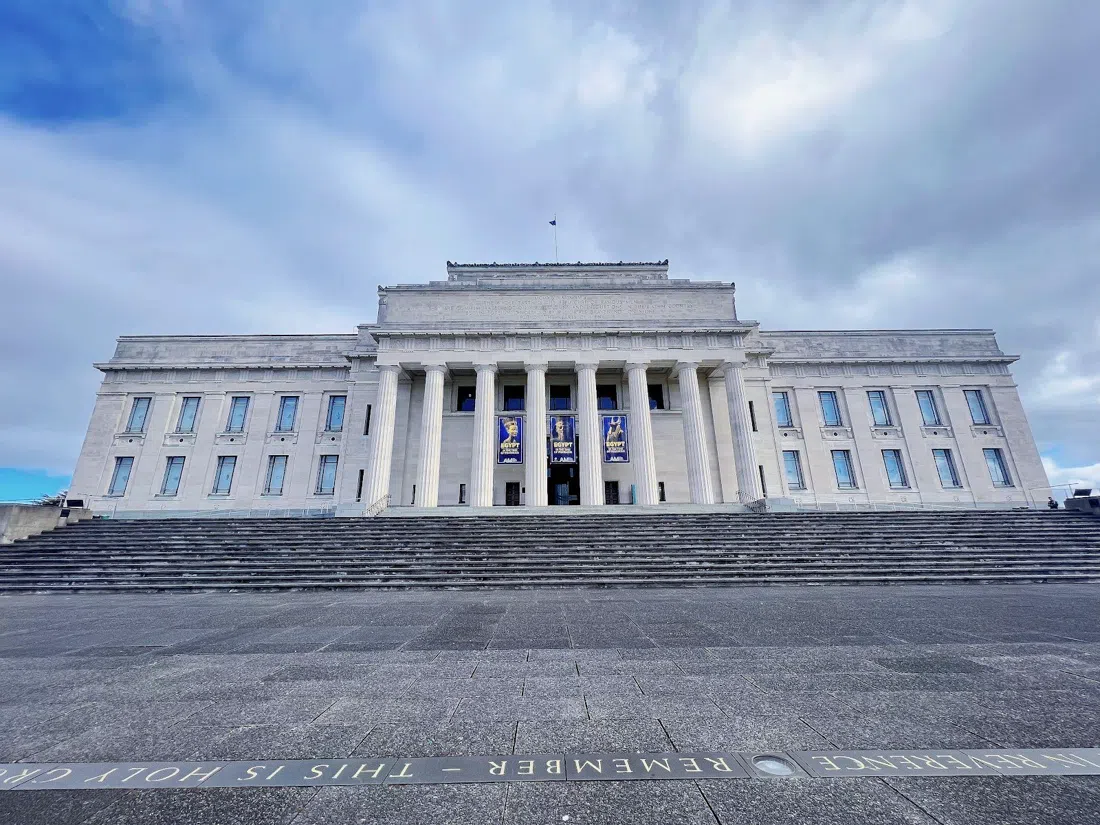
Tāmaki Paenga Hira Auckland War Memorial Museum (Auckland Domain) is the natural place to start, and not only because its neoclassical bulk sits on the highest ground in the city. Through July 2026 the museum runs a full Matariki programme — storytelling sessions, dance performances, and talks tied to the hautapu ceremony that traditionally marks the new year — much of it free with general admission, with only a handful of ticketed evening events, up to around $25 NZD, needing to be booked ahead. At night the building itself is lit orange for the season, visible from much of the isthmus, which makes it as much a landmark to point out from a taxi window as a place to actually walk through. Groups and school parties are, refreshingly, what the museum was built to handle: wide halls, no bottleneck ticketing, and staff accustomed to forty children in matching hi-vis vests moving through at once.
A short drive north, the Vector Lights show on the Auckland Harbour Bridge — best viewed from Westhaven, Little Shoal Bay, or the summit of Maungawhau — runs nightly through the Matariki Festival window of 4–19 July 2026. It is the first bridge lighting of its kind to run on solar and battery power rather than mains electricity, a detail Aucklanders tend to mention unprompted, and it costs nothing to watch. There is no gate, no booking, and no real ceiling on group size: bring a thermos and stand on the Westhaven boardwalk, or drive up Maungawhau for the wider harbour view, parking and traffic considerations noted further down.
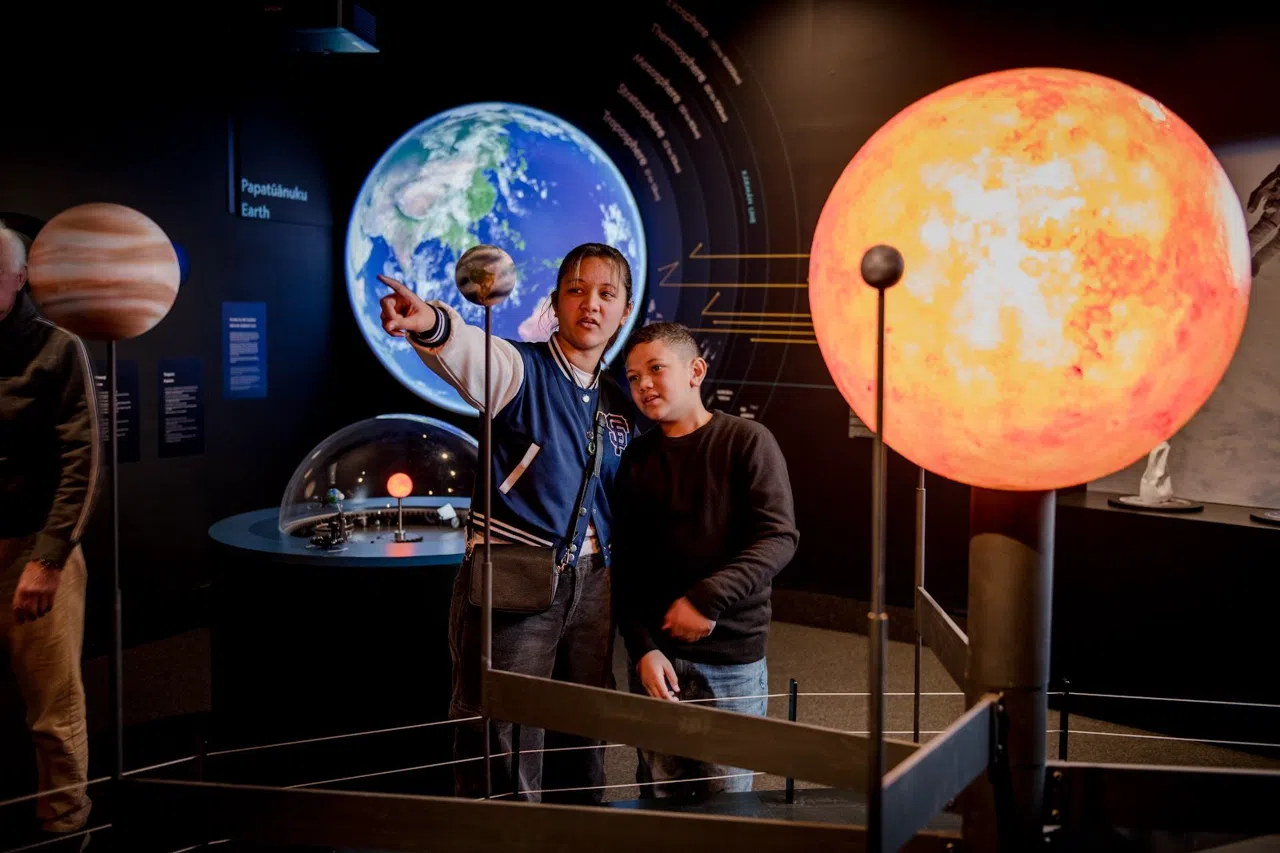
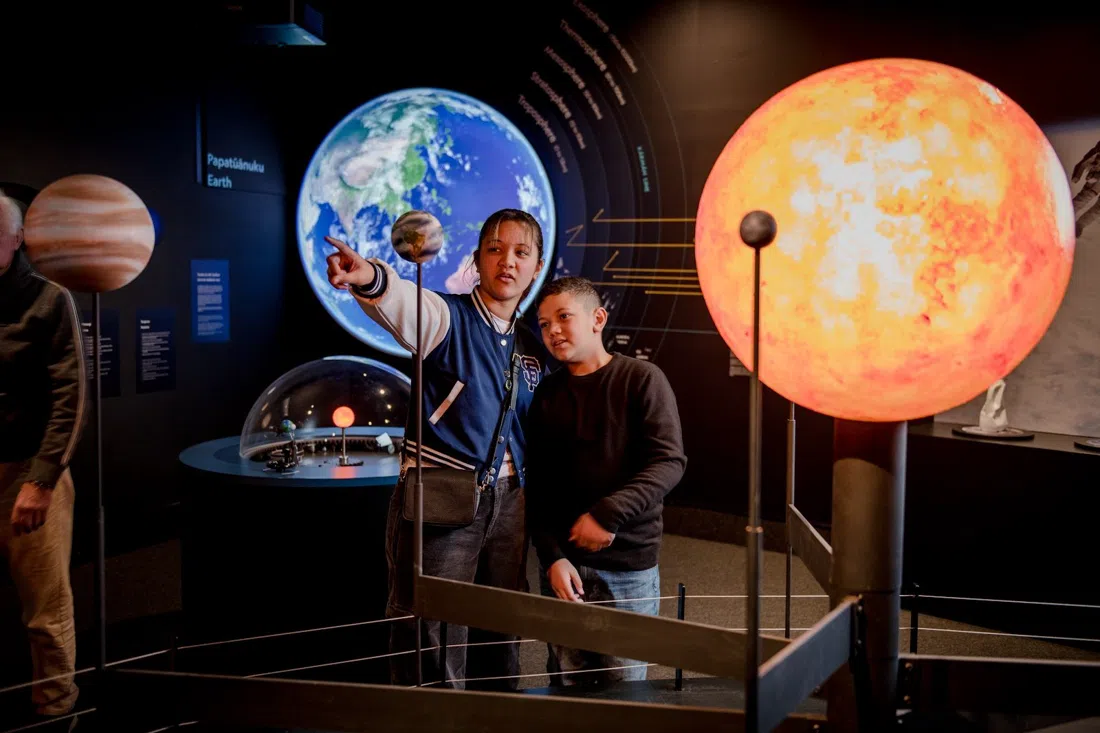
For the most literal read of the season, Te Whatu Stardome Observatory & Planetarium (One Tree Hill, beside Cornwall Park) runs Ngā Whetū o te Tau Hou, a planetarium show built around the Matariki cluster itself, through 31 July 2026. Tickets run $16.50–$18.50 NZD, and the observatory takes dedicated group and school bookings for the show, plus small evening telescope sessions for those who want the sky rather than the dome — worth planning ahead for, since a clear winter night over Auckland is never quite guaranteed.
Escaping the Cold
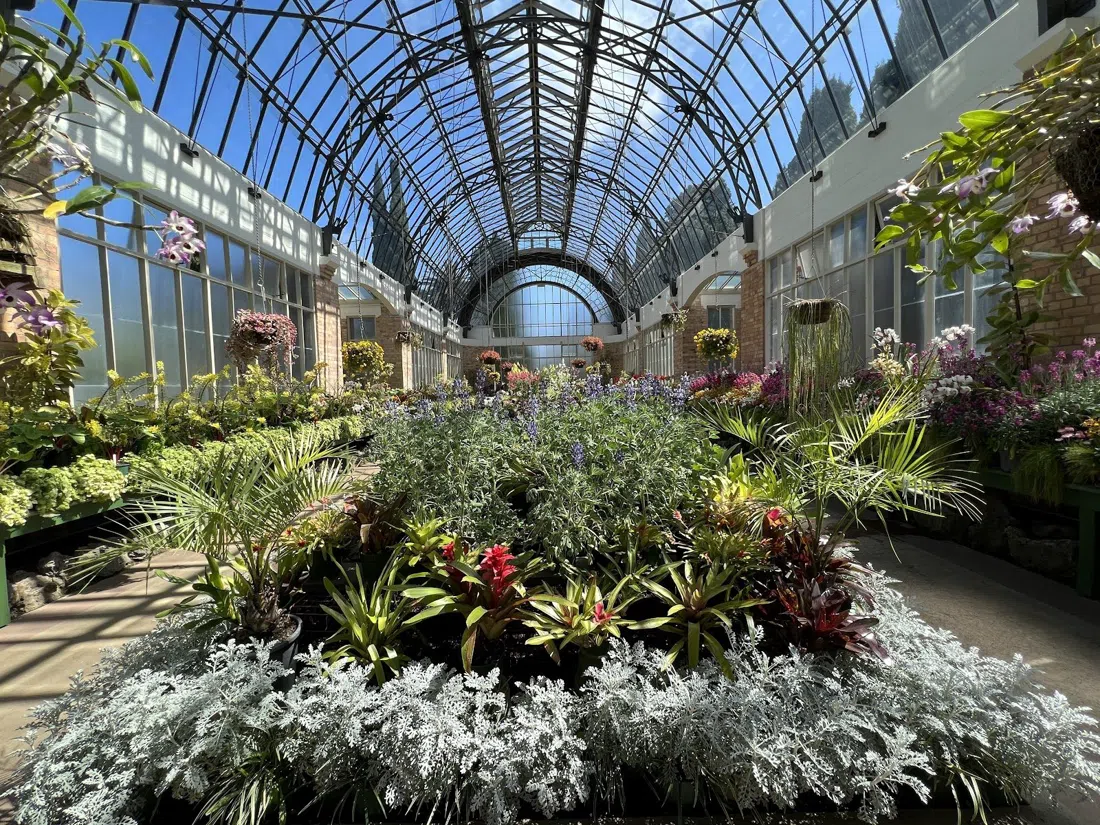
Not every solstice activity needs a ticket or a theme. The Auckland Domain Wintergardens (Auckland Domain, a short walk from the museum) are a pair of Edwardian glasshouses that have stood open, free of charge and unbooked, since 1913 — walk in with a group of two or forty and nobody will stop you. The temperate house holds palms and orchids under glass that fogs faintly at the edges on a cold morning; the cool house, ferns and alpine plants beneath a shallow reflecting pool. It remains the lowest-risk plan in this guide: free, always open, and about as photogenic as a wet Tuesday in June gets.
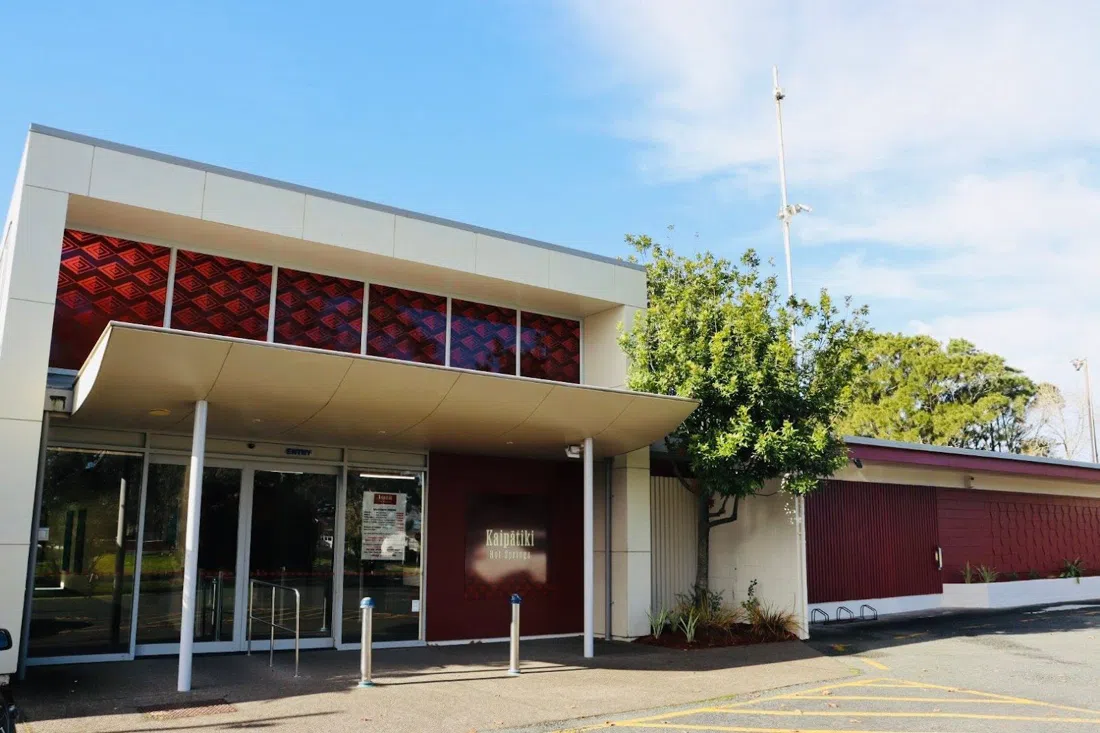
For something more committed, Kaipātiki Hot Springs — known until recently as Parakai Springs, and now run under Ngāti Whātua o Kaipara management — sits in Parakai, a 35-minute drive or coach ride northwest of the city. Entry runs $25–$35 NZD, there is a café on site, and marquees or barbecue areas can be hired for groups, which makes it a genuinely good half-day for a family, a stag or hen party, or a work trip that wants heat rather than another museum. Back in the centre, Aotea Square Ice Rink (CBD) takes the opposite approach: Auckland Live's outdoor rink runs a fixed midwinter season rather than sitting open year-round, so its exact 2026 dates are worth confirming before building a day around it, but general admission and student-night sessions run roughly $19–$26 NZD and it takes walk-ups as readily as booked groups.
Long Evenings, Well Fed
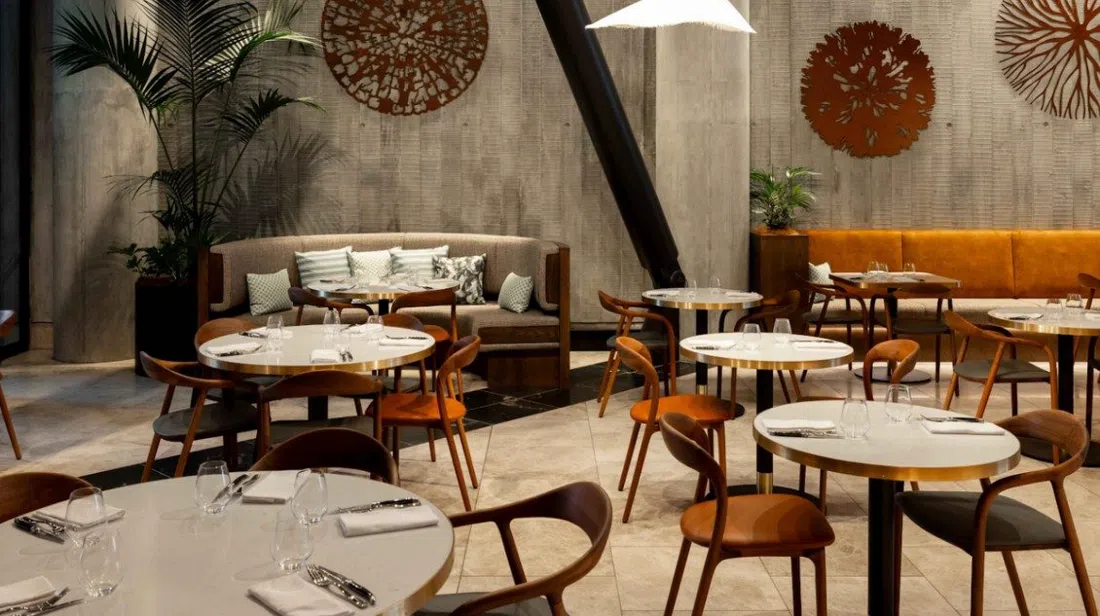
The city's short days are compensated for, unapologetically, at the table. The Grill by SkyCity, also trading as Horizon by SkyCity (CBD), has built its winter menu around a Matariki tasting collaboration with Ngāti Whātua Ōrākei, using kai gathered from the iwi's own maara — a meal running to $150 NZD or more per person, at a restaurant that expects a booking well ahead for its private dining rooms. It is the one genuinely formal recommendation here: a place for an anniversary or a client dinner, not a drop-in on a whim.
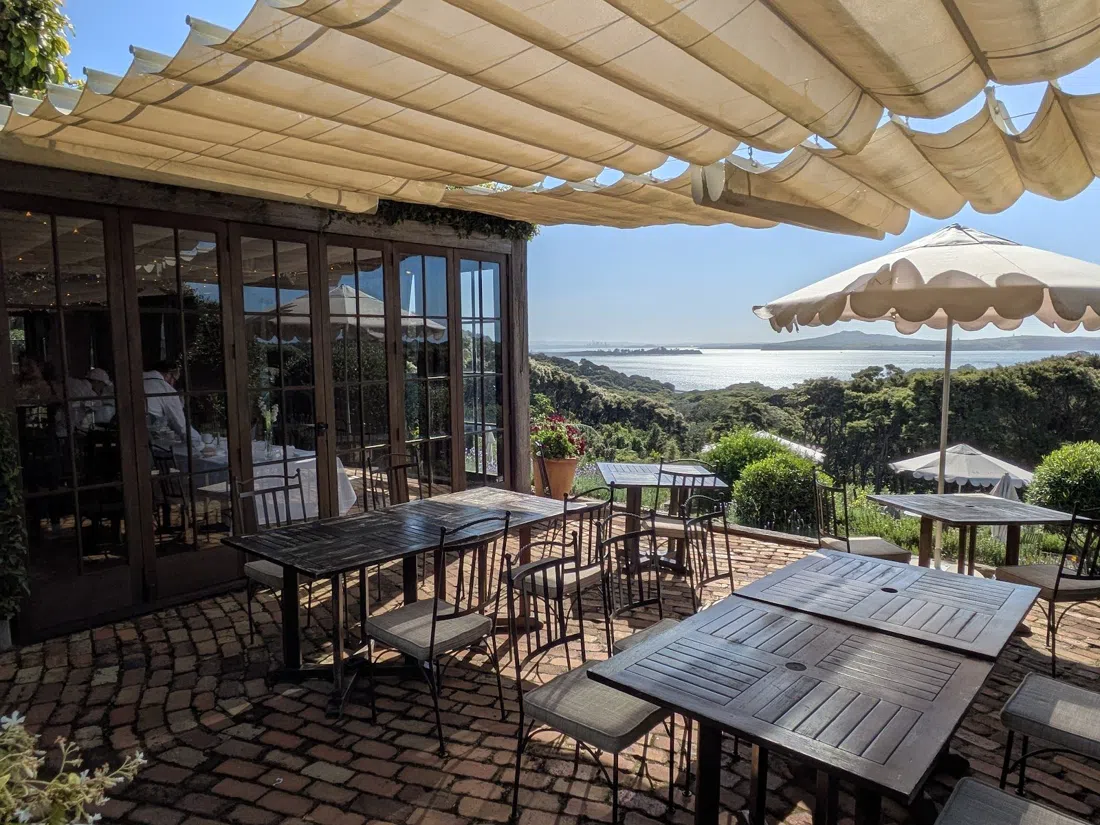
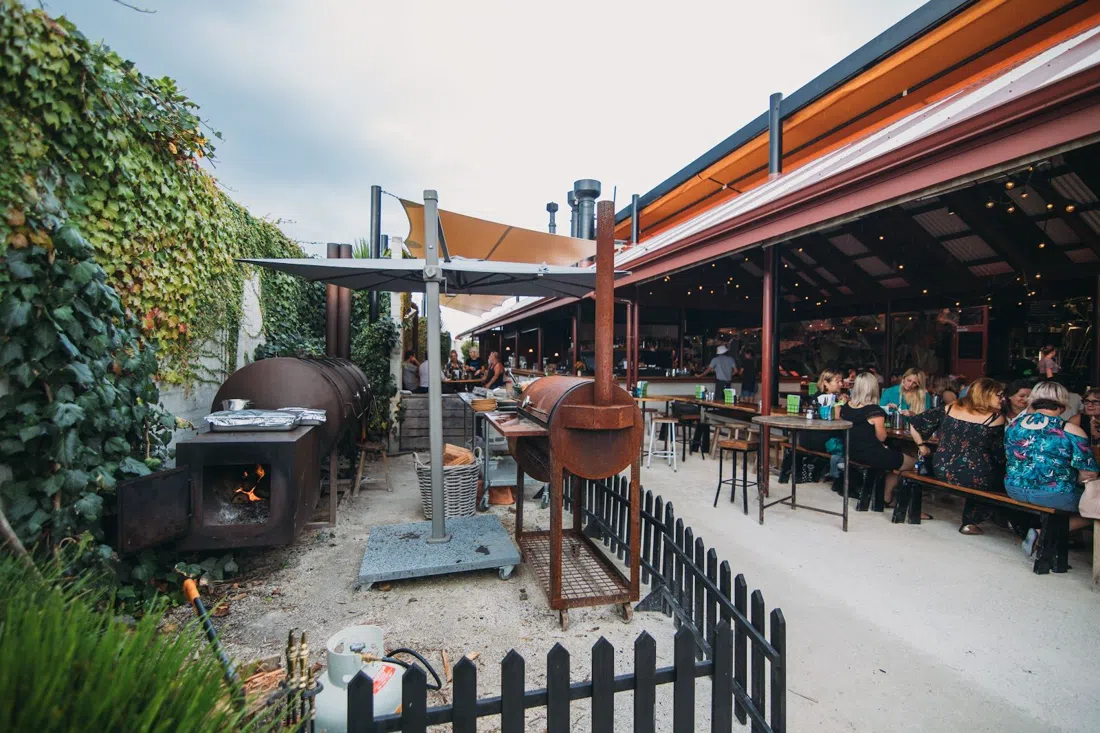
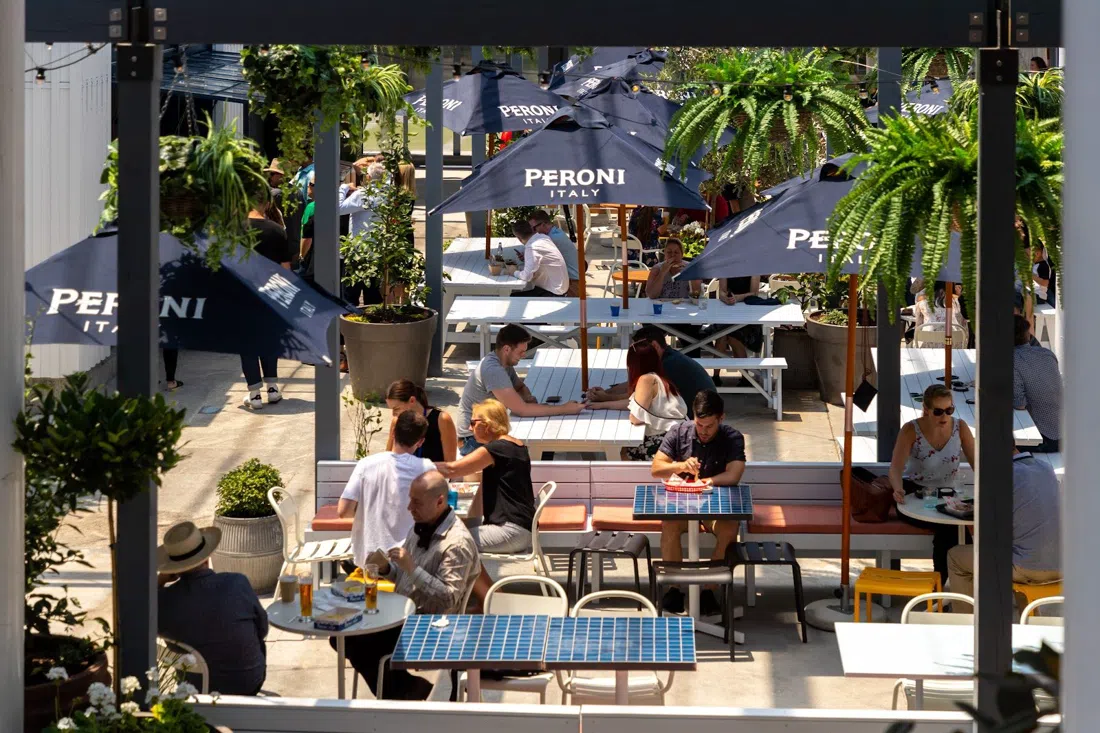
Out in Riverhead, on the city's northwestern fringe, Hallertau Brewery & Biergarten takes the opposite approach to the same season — long communal tables, sharing menus built for groups of twelve up to a hundred and fifty, and mains in the $25–$40 NZD range. It suits a birthday party or a Friday that wants to run late without anyone standing on ceremony, and its function spaces are actively booking for 2026. For a quieter, more deliberate winter evening, Mudbrick Vineyard & Restaurant on Waiheke Island — a 40-minute ferry from downtown — is, counterintuitively, easier to book in winter than in the summer crush; a degustation menu starts around $150 NZD per person, and the appeal in June has as much to do with the fireplace as the wine list.
Markets, Cafés and a Rainy-Day Fallback
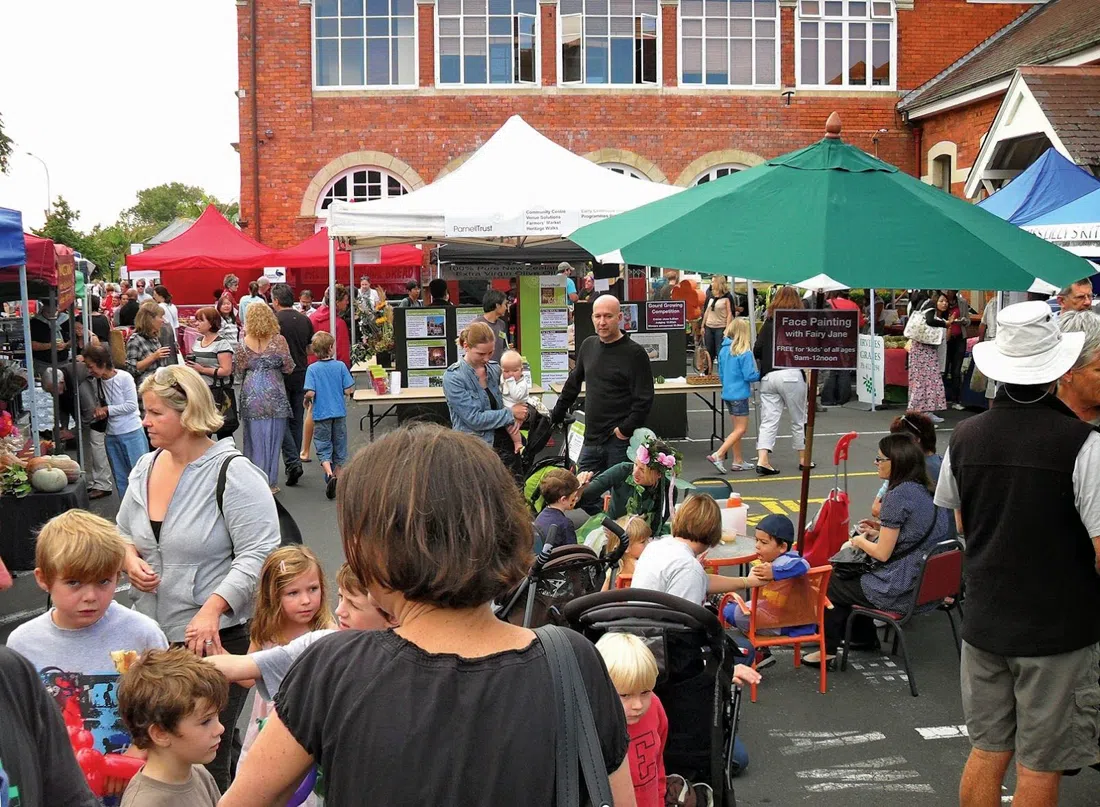
Some of the best solstice mornings in Auckland involve nothing more ambitious than good coffee and no particular plan. La Cigale French Market (Parnell, with a Britomart sibling) runs every winter weekend, an informal walk-through of stalls selling everything from fresh croissants to paella cooked in the open air — no booking required, and built to absorb a group without anyone needing to sit down together. Ozone Coffee Roasters (Newmarket) is the more settled version of the same idea: a working roastery with an eatery attached, open through its current winter hours, and one of the few venues in this guide that takes larger table bookings for a proper group breakfast rather than just coffee to go.
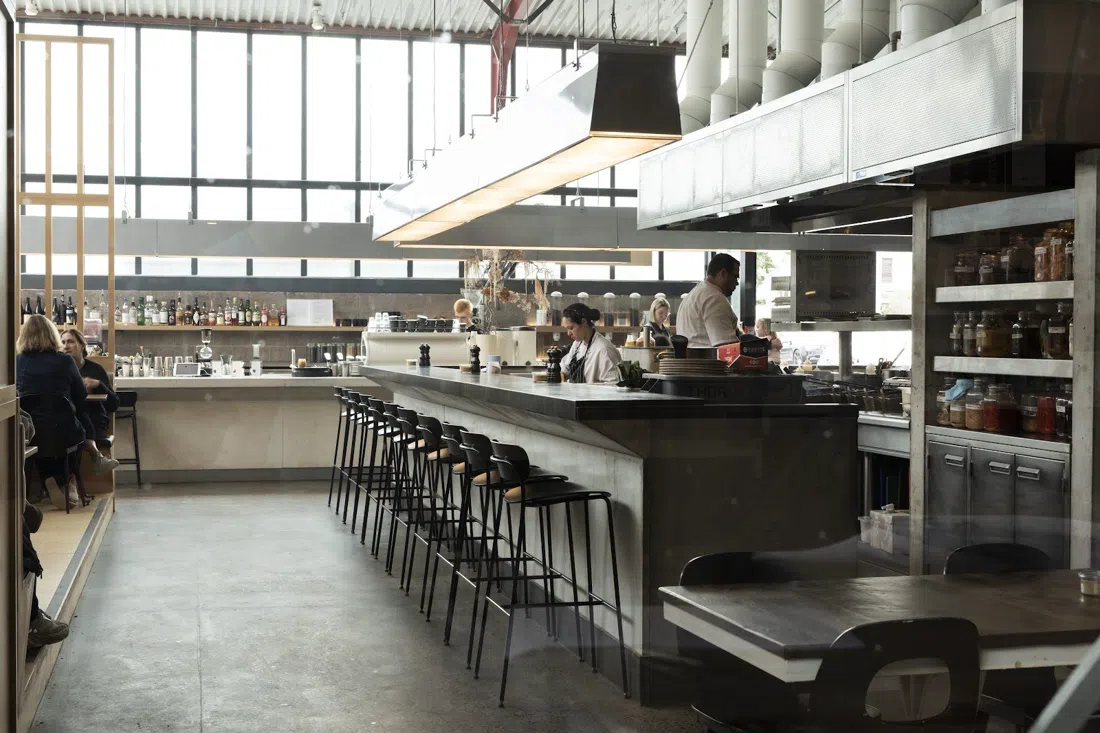
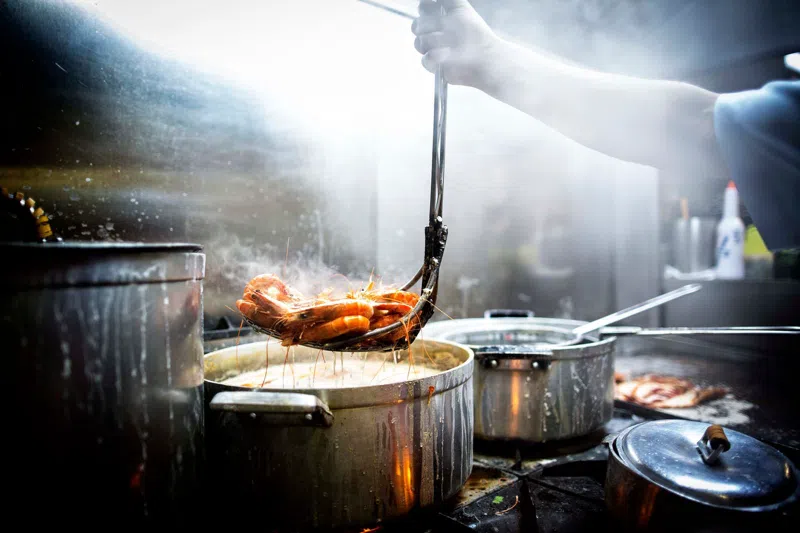
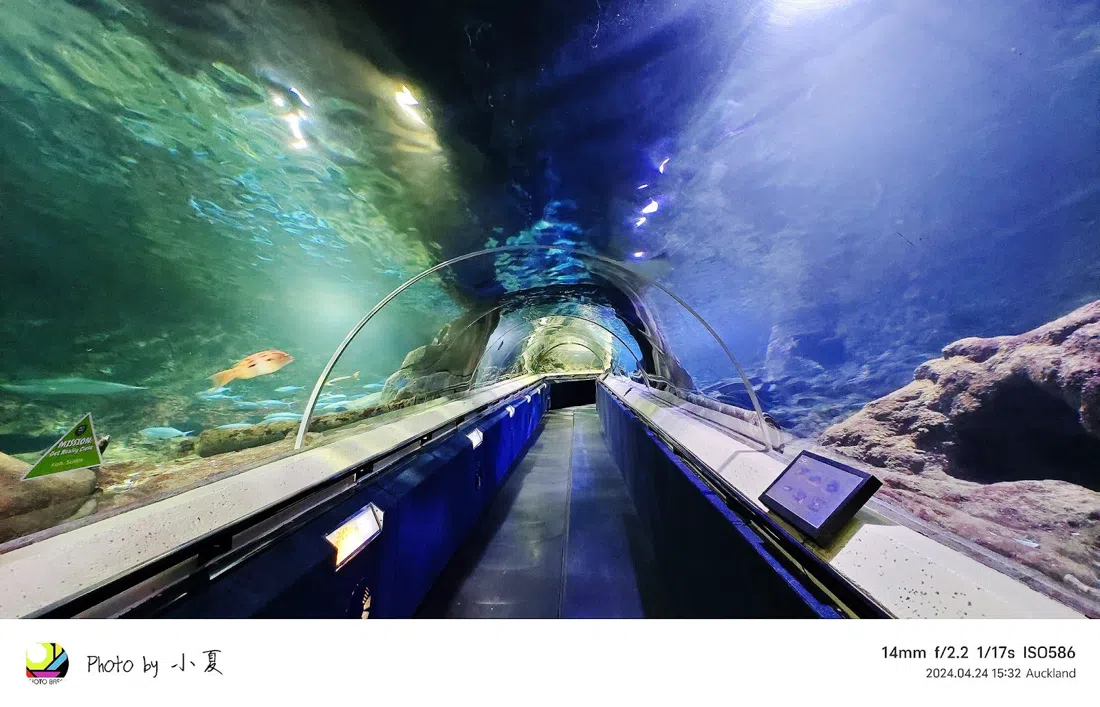
Down at Wynyard Quarter, the Auckland Fish Market — a working seafood market that has traded, in one form or another, for 120 years — is the heartiest of the food stops: half a dozen eateries under one roof, easy to split a group across without a single reservation. It is also, usefully, indoors, which matters on the days winter actually delivers on its reputation. For a full wet-weather fallback, SEA LIFE Kelly Tarlton's (Orakei) runs its Antarctic Ice Adventure year-round, standard group and school ticketing at $39–$49 NZD, with enough indoor capacity that a downpour outside becomes more or less irrelevant once you're through the door.
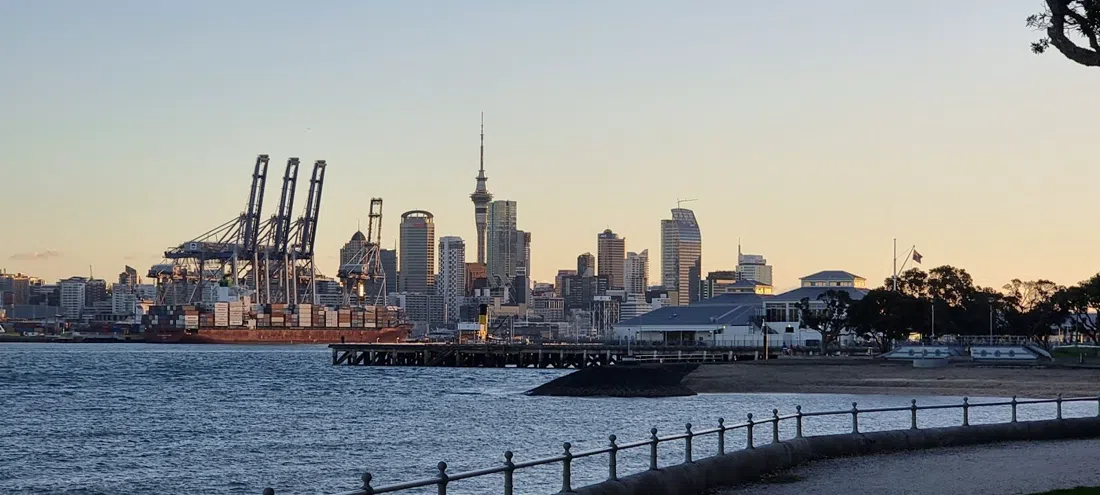
Across the harbour, Devonport Village rewards the twelve-minute ferry crossing precisely because winter empties it of the crowds that fill its cafés and volcanic-cone walking track in January. It costs nothing to wander — only the ferry itself is a spend, at $8–$13 NZD each way — self-guided for any group size, though the i-SITE on Victoria Road can arrange a guided walk for those who want local history rather than a map.
When to Go, and How to Get Around
Most of what's listed here sits within a twenty-minute drive or a short ferry ride of the CBD, with three exceptions: Kaipātiki Hot Springs, 35 minutes northwest by car or coach; Hallertau, 30 minutes northwest in Riverhead; and Mudbrick, a 40-minute ferry to Waiheke Island followed by a short taxi or the vineyard's own shuttle. Devonport is a 12-minute ferry from the downtown terminal. Auckland's winter weather is genuinely changeable — a still, clear morning can turn to horizontal rain by lunch — so it's worth keeping an indoor fallback like the Wintergardens, the museum, or Kelly Tarlton's in reserve rather than betting an entire day on outdoor plans.
New Zealand is close to a fully card-based economy; contactless payment is accepted everywhere on this list, and cash is rarely needed except perhaps for the odd stall at La Cigale. The solstice itself falls around 21 June, but the Matariki Festival proper — and with it Vector Lights, the museum's fuller programme, and the Stardome show — runs into July, so any visit from mid-June through the end of July catches the season at its fullest. Confirm the Aotea Square Ice Rink's exact 2026 dates before building a day around it, since it runs a fixed window rather than sitting open all winter.
A free day is entirely possible here: the Wintergardens, Vector Lights, and the museum's general admission cost nothing between them. A splurge evening at The Grill by SkyCity or Mudbrick runs $150 NZD or more per person before wine. Most of what sits between those two poles — Hallertau, Kelly Tarlton's, a Fish Market lunch — falls comfortably in the $20–$50 NZD range per person. For longer stays built around the season, start with the Auckland guide, or go straight to an Auckland hotel search for something within easy reach of the ferry terminal and the Domain.