
Pier 1 sits at the foot of the downtown towers, and the boat that leaves it takes about twelve minutes to cross to a place with a different pace and, in parts, a different century. In September the harbour can be flat and silver at nine in the morning and streaked with squall by two, which is both the planning problem and the appeal. Devonport has been arranging itself around that fact since the 1880s, and a visit that respects it works in either kind of light.
The crossing is the first half of the trip
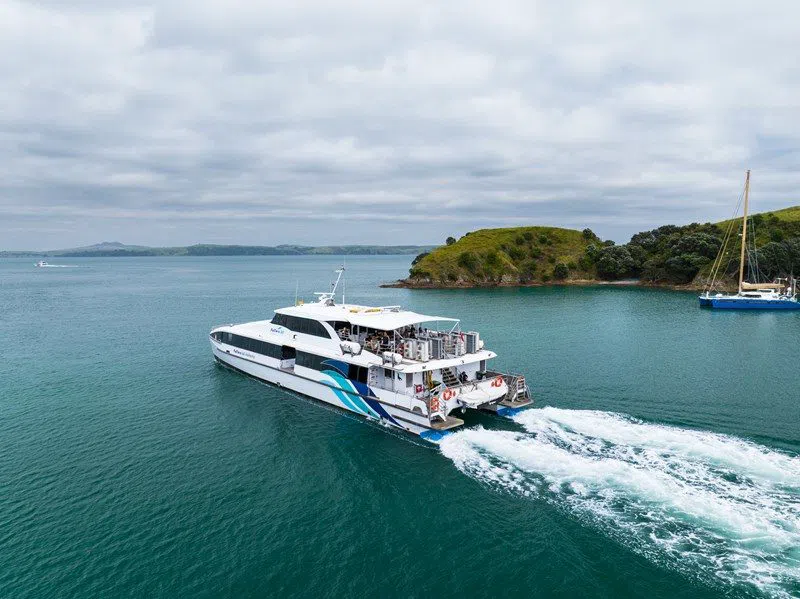
Devonport Ferry (Pier 1, on the downtown waterfront) runs under Fullers360 and Auckland Transport, and by any honest accounting it is the cheapest harbour cruise in the city. One way is NZD $7.80 with an AT HOP card or contactless tap, $12 if you buy a paper ticket at the window, and about $4.69 on HOP for children aged five to fifteen. There is no booking and no group cap. A party of twenty taps on exactly as a couple does, which makes this the rare outing that does not penalise you for travelling together.
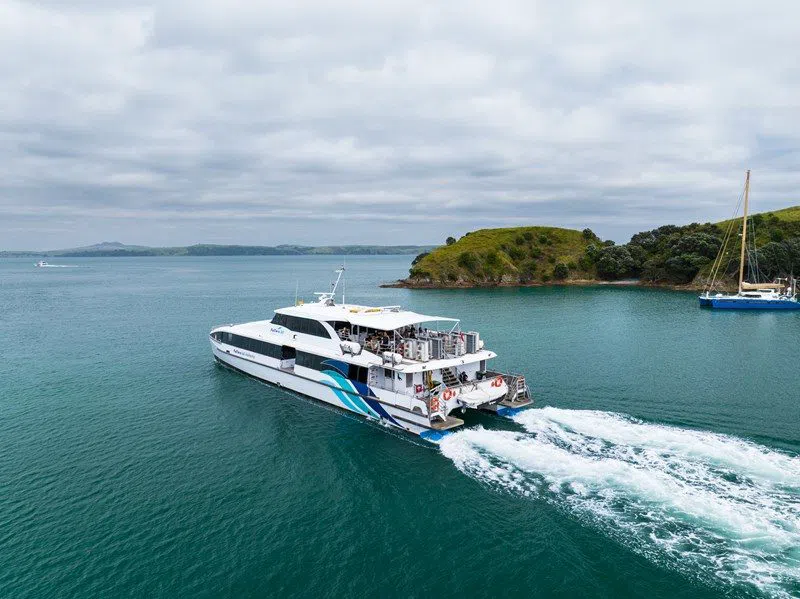
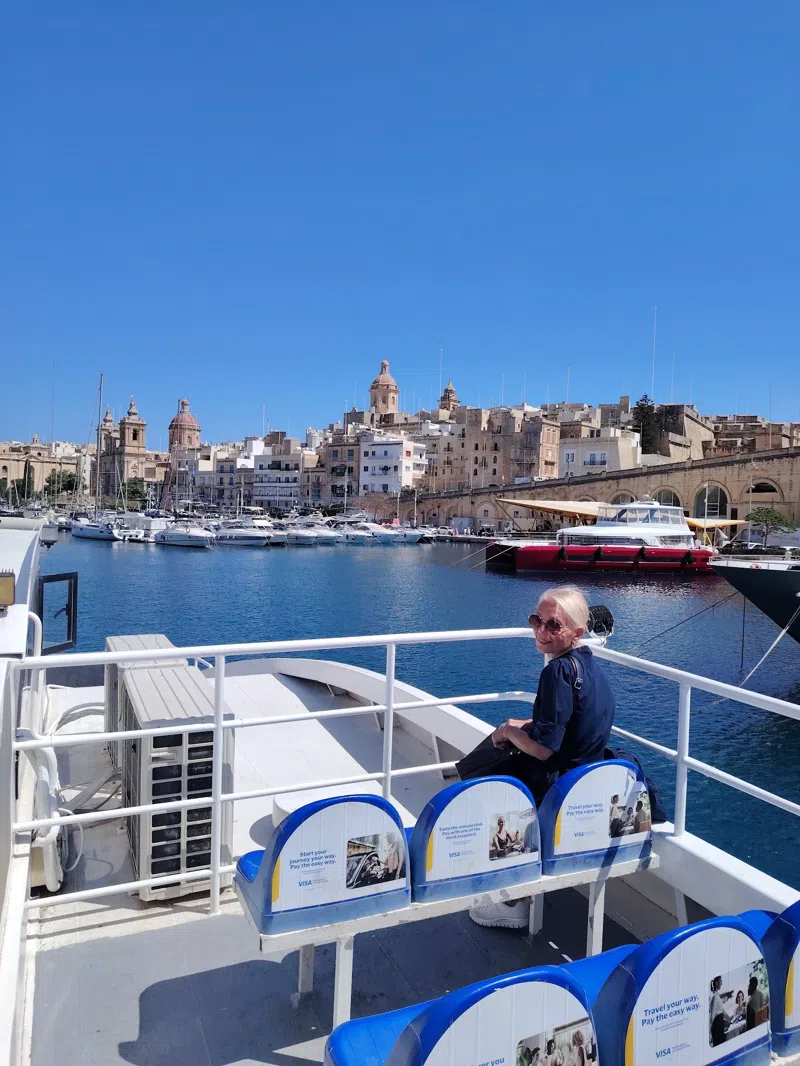
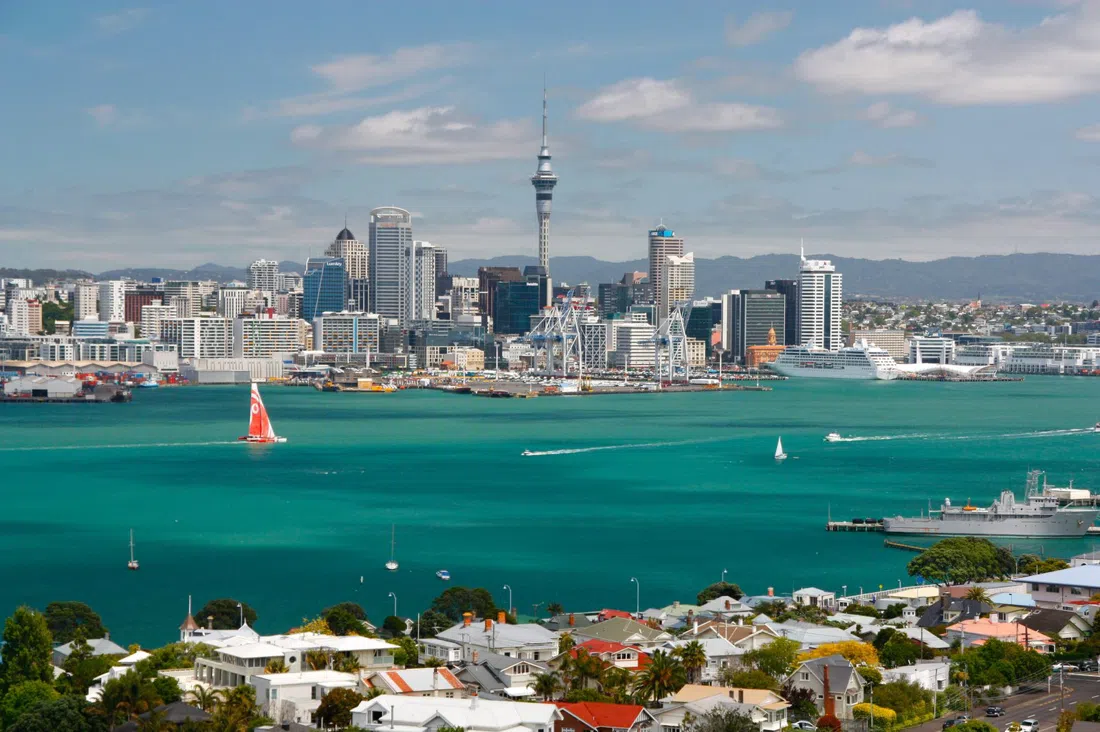
Sailings leave every 15 to 30 minutes from around 05:45 until late, so the schedule is closer to a bus than a cruise and there is no reason to build your morning around a departure time. Twelve minutes is short enough that buying a coffee on board is a false economy; go up to the open deck instead. The view worth having is behind you rather than ahead. The towers, the bridge and the working port compress into a single frame as the boat pulls away, and that is the photograph most people came for without knowing it.
Two maunga and what it costs to stand on them
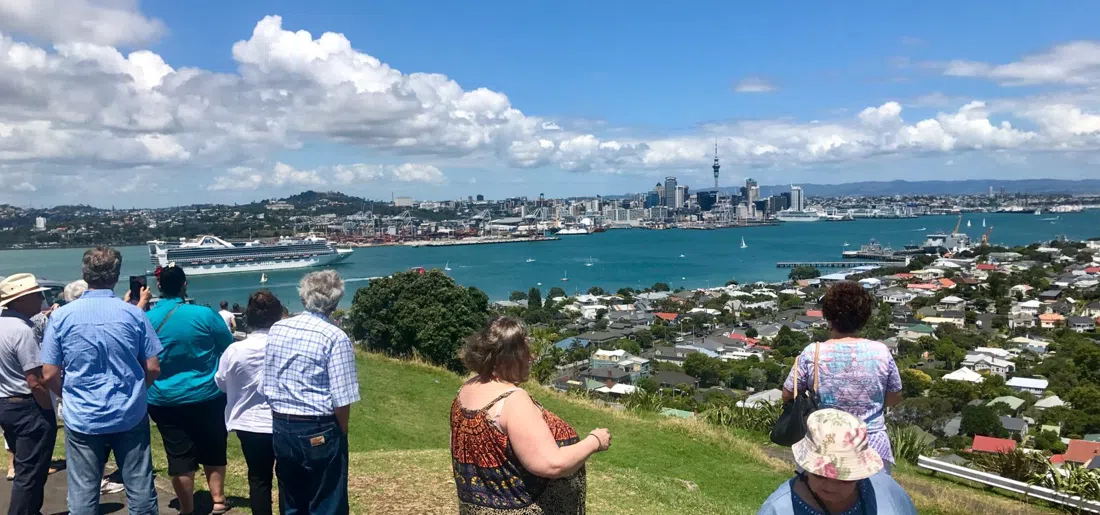
Takarunga / Mount Victoria (directly above Victoria Road, the village's main street) is the closest big view to the wharf: ten to twenty minutes uphill depending on your legs, free, and open as a public reserve. The summit and the summit road have been permanently vehicle-free since March 2018, so everyone arrives on foot; if someone in your group needs mobility access, the code for the road is arranged on 09 379 1340. This is a maunga of deep significance to mana whenua. The tihi is not a picnic table, and behaving as though it were is the one thing that will mark you out badly.
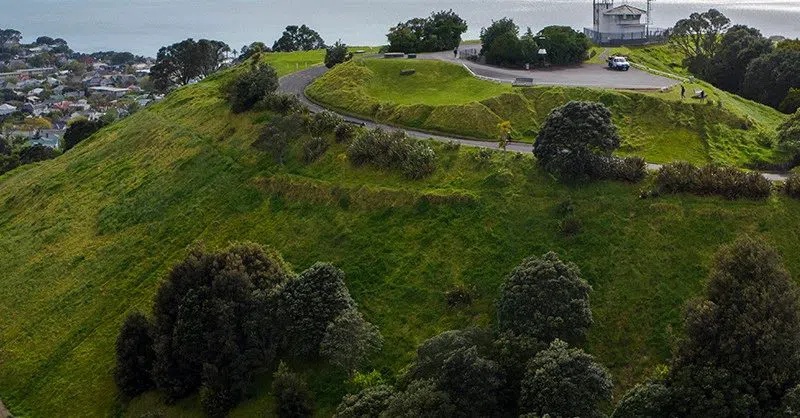
Maungauika / North Head Historic Reserve (the headland at the eastern end of the village) is the longer and, for most people, the better walk. Governance passed from the Department of Conservation to the Tūpuna Maunga Authority in January 2019, and it is free to enter. What you get is a defensive landscape layered over a volcanic one: gun emplacements, concrete observation posts and a genuinely dark tunnel system that rewards a phone torch. Headroom is low in places, which matters more with children than with adults. Gate times run on two schedules, vehicle gates 6am to 8pm in summer and 7am to 7pm in winter, pedestrian gates 6am to 10pm summer and 7am to 8.30pm winter. September sits at the changeover, so read the sign at the gate rather than assuming which set applies on the day you visit.
Where to go when the southerly arrives
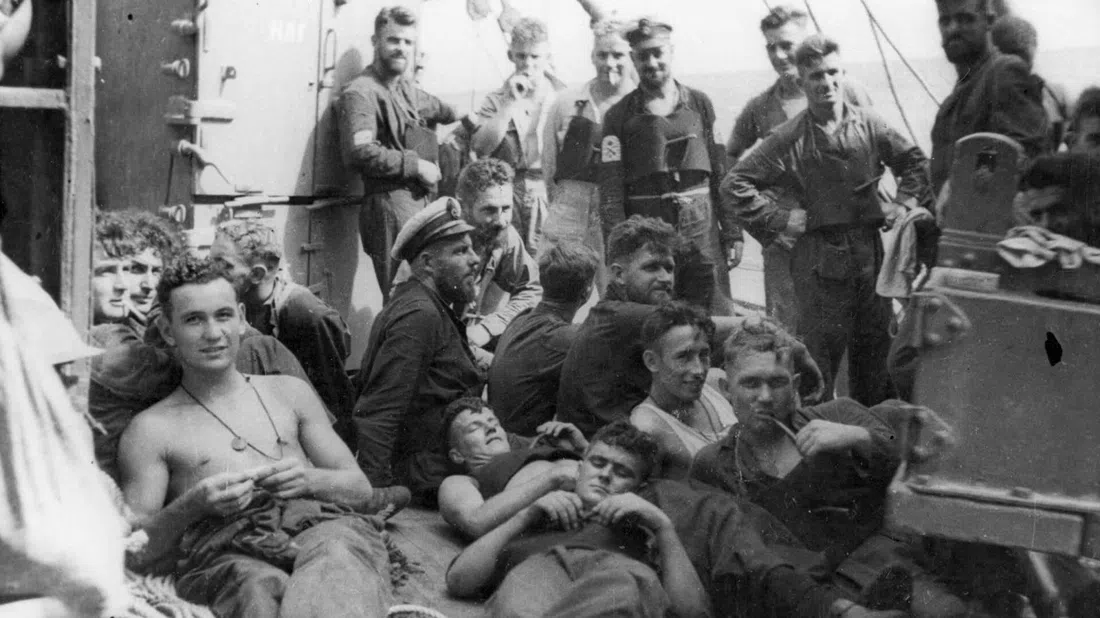
Torpedo Bay Navy Museum (Torpedo Bay, about fifteen minutes' walk east of the wharf) is the one true wet-weather anchor here. It opens seven days, 10am to 5pm, and closes only on Good Friday, Christmas Day and Boxing Day. Entry is free for New Zealand residents and NZD $15 for international visitors aged 18 and over. It is a national naval museum rather than a local curiosity, the displays carry real weight, and the café sits directly on the water, so a squall passing through becomes something to watch instead of something to endure. Group tours and venue hire are booked direct on 09 445 5186.
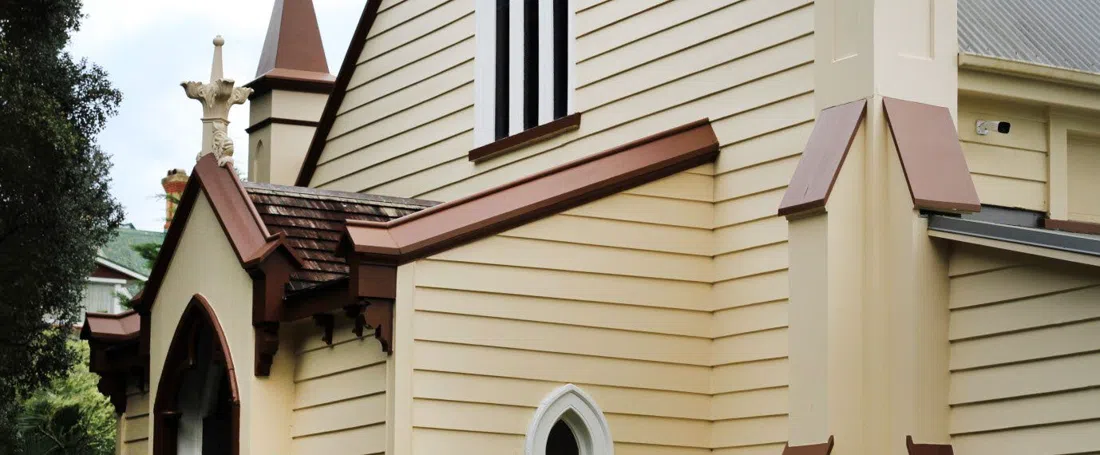
Devonport Museum (up the hill on the Takarunga side) is the volunteer counterpart: free with a donation welcomed, charming, and tightly rostered. It opens Tuesday to Thursday from 10am to 12pm and at weekends from 2pm to 4pm, and nothing else. Check the window before you climb, and keep the party under a dozen; the rooms are small enough that a coach group would simply fill them. Out-of-hours visits are possible by appointment on 09 445 2661.
The Vic (Victoria Theatre and Cinema, on Victoria Road in the village centre) is the country's oldest purpose-built cinema still operating as one, and it programmes around twenty films a week rather than trading purely on heritage. Tickets run roughly NZD $13 to $20, and the whole cinema can be hired for a function. When the rain sets in for the afternoon this is the obvious move.

DEPOT Artspace (with a second space, DEPOT 3, on Vic Road in the village) is free, informal and the most reliable read on what Devonport's own artists are making at the moment. It opens Monday 12pm to 5pm, Tuesday to Saturday 10am to 5pm and Sunday 10am to 4pm, and closes on public holidays. Larger groups should email ahead rather than arriving en masse.

The flat walk out to Cheltenham
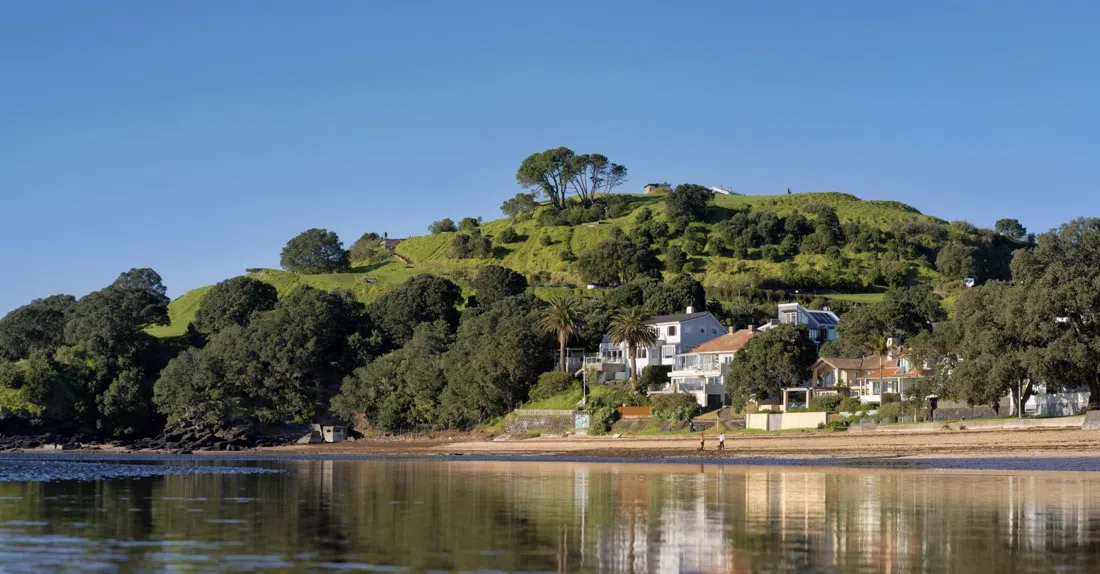
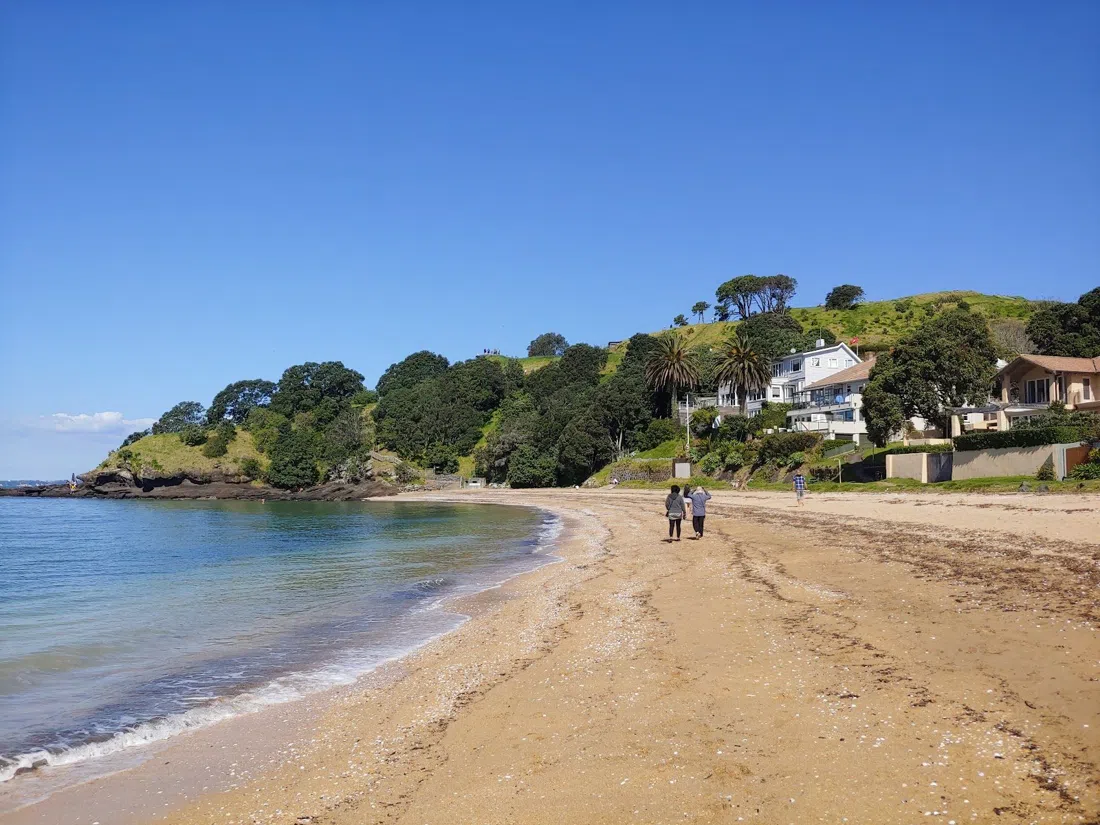
Cheltenham Beach (Cheltenham, about 1.5km round the point from the wharf) is where the trip stops being sightseeing and starts being a walk. The reward is the best beach-level view of Rangitoto anywhere in the city, and the catch is the tide: the water is knee-deep for hundreds of metres at low tide, so if swimming or paddling is the point, time your arrival within a couple of hours of high water. Street parking is limited at peak times, which is another argument for the ferry. There is no entry, no gate and no restriction on group size.
Bikes & Barbers Devonport (Bikes & Beyond, inside the terminal at 1 Queens Parade) turns that walk into a proper ride. Hire runs roughly NZD $40 to $80 a day depending on the bike, with cargo bikes and trikes for families, and booking online is advisable for weekends. The flat waterfront run out to Cheltenham and Narrow Neck is the reason to bother, because you step off the boat and onto a bike without crossing a road, and small groups can be fitted out together.
Two ways up the hills without the climb
The two-hills problem is real for anyone who does not fancy gradients. Devonport Tours (the Explorer Bus, departing hourly from the wharf) solves it most simply: an all-day hop-on hop-off pass at roughly NZD $45 to $60, one hour wharf-to-wharf if you stay aboard, with stops at both volcanic cones. It is the only practical way to get a car-free visitor to the top of both Maungauika and Takarunga without walking, and it runs whatever the sky is doing. Groups of six or more need to book ahead.
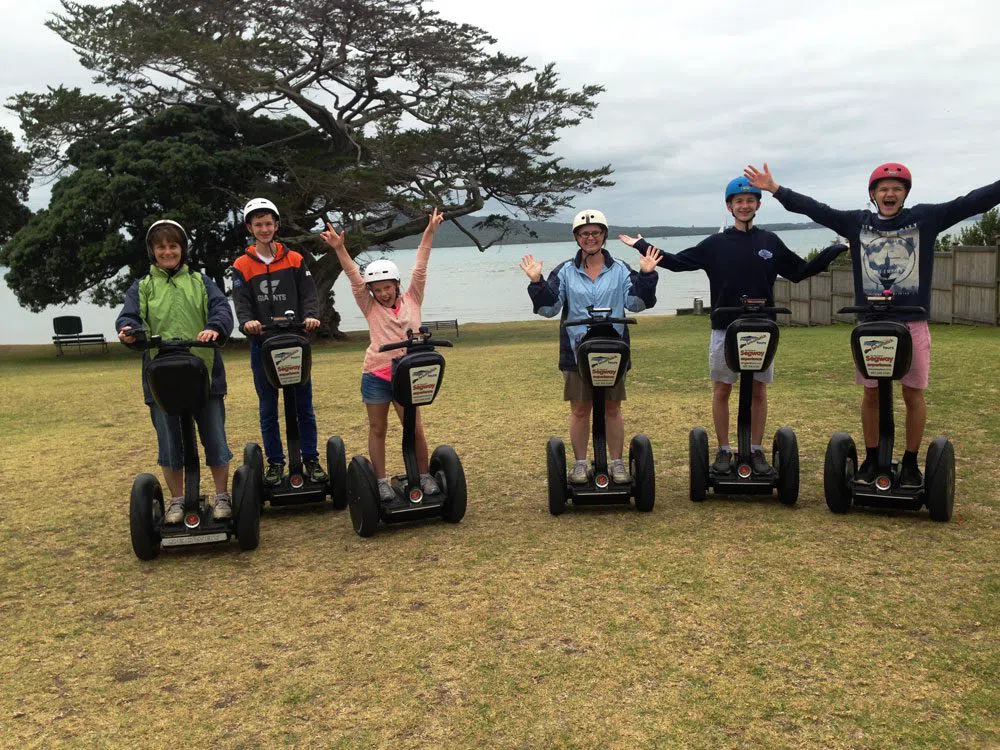
Magic Broomstick Segway Tours (Shop 9, in the ferry terminal) is the more particular option: NZD $90 for the 1.5-hour introductory ride, NZD $175 for the three-hour historic North Head tour. There is a hard cap of six riders per departure, so a party of ten must split across two, and payment is cash or direct credit only, the one place on this trip where a card is not enough. Minimum age is 10 for the short ride and 13 for North Head. Book ahead rather than turning up.
Breakfast, the garden bar and the terrace at dusk
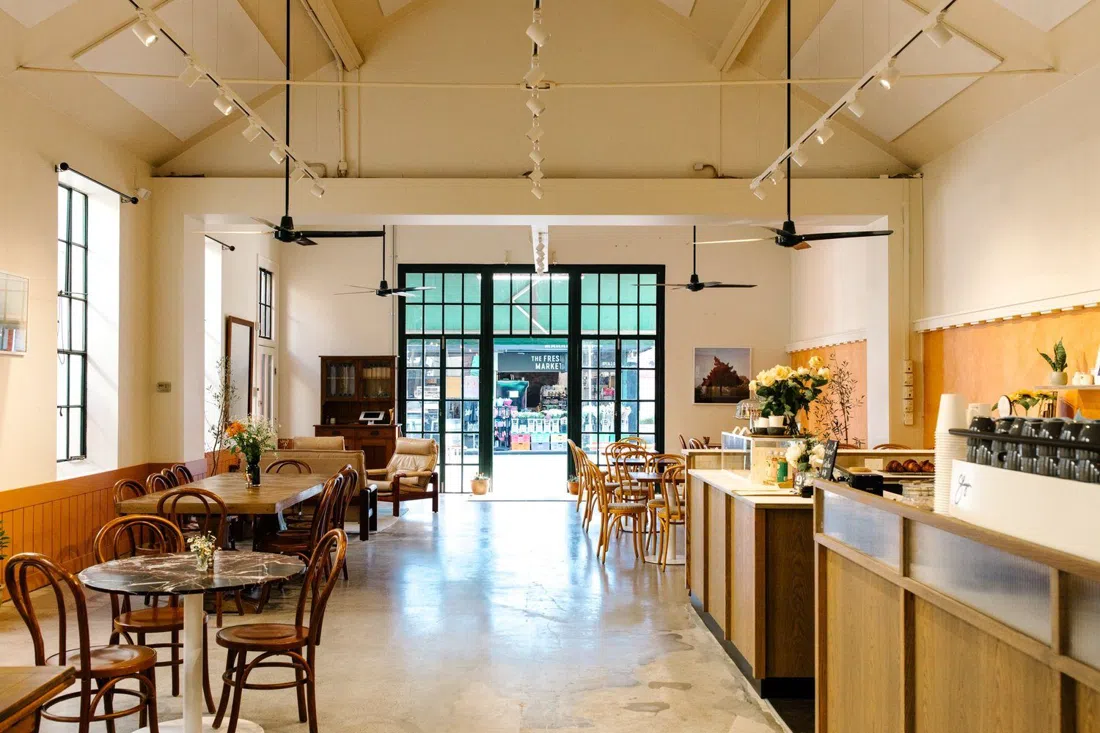
Devonport Stone Oven Bakery & Cafe (in the village, a few minutes from the wharf) reopened in November 2024 under new owners who restored the building, and it opens at 6:30am. That early hour is the practical point: it is the pre-climb breakfast before the 9am boats land their crowd, and it is casual enough for children and dogs. Expect NZD $6 to $25. Weekend mornings are packed, so a large group is better off-peak.
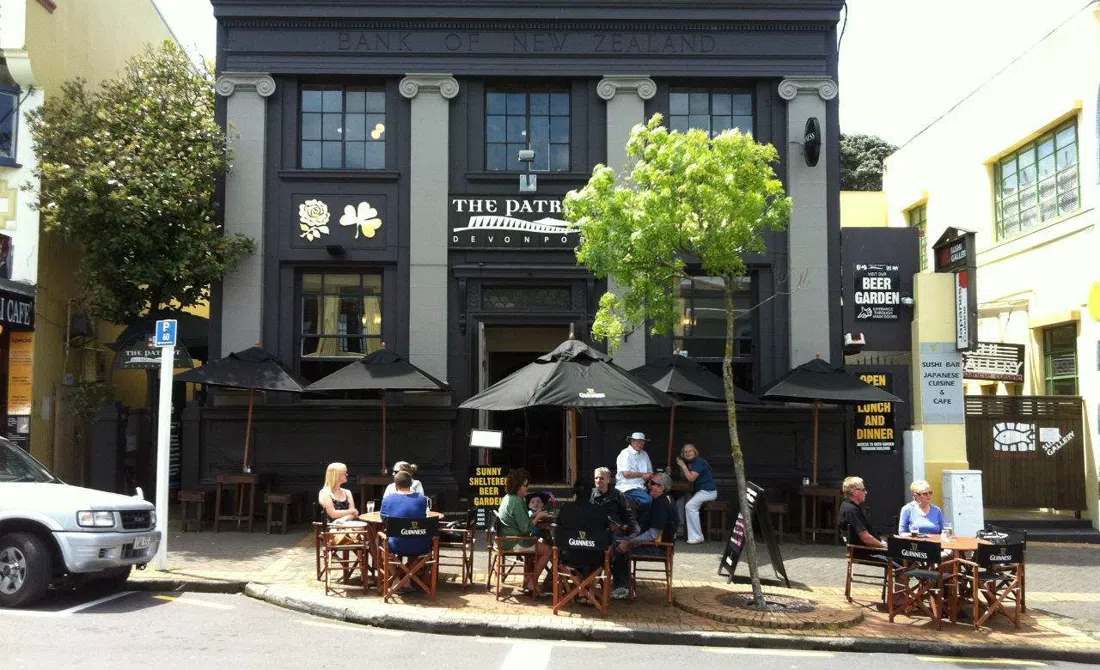
The Patriot (an English-style pub on Victoria Road) is the genuinely group-friendly address: a multi-level covered garden bar, big screens, pool and quiz nights, food and drink around NZD $12 to $35, breakfast through to dinner seven days, live music on Fridays. Book for a party of any size. When a spring squall ends the walking, this is where you end up.
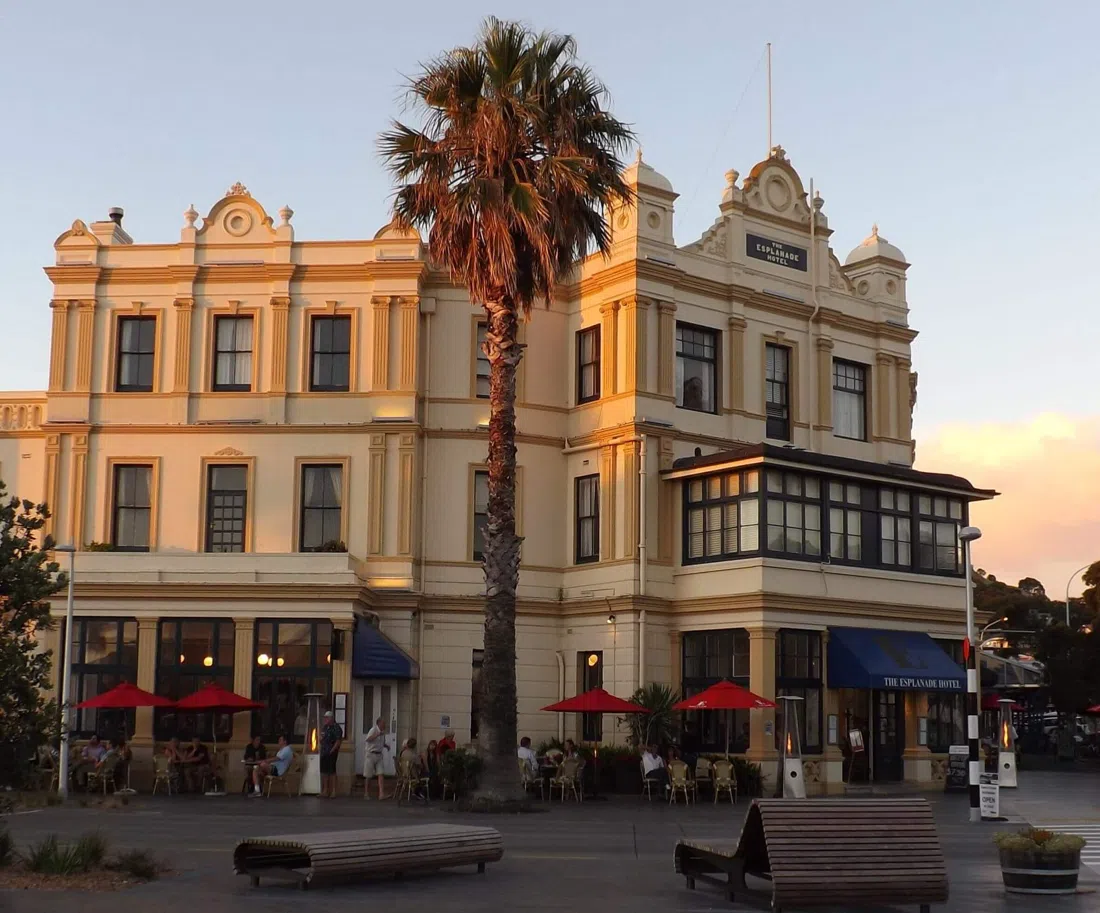
The Esplanade Hotel (on the waterfront, opposite the wharf) is the building that defines the view from the boat and the first thing you see when you step off it. Two bars, a restaurant and function space mean it takes groups well; food and drink land around NZD $15 to $45, and rooms considerably more. The terrace is the best-placed seat in the village for the city skyline at dusk, and it is worth booking rather than chancing. If you want to compare it against staying on the city side, the Auckland hotel search covers both shores.
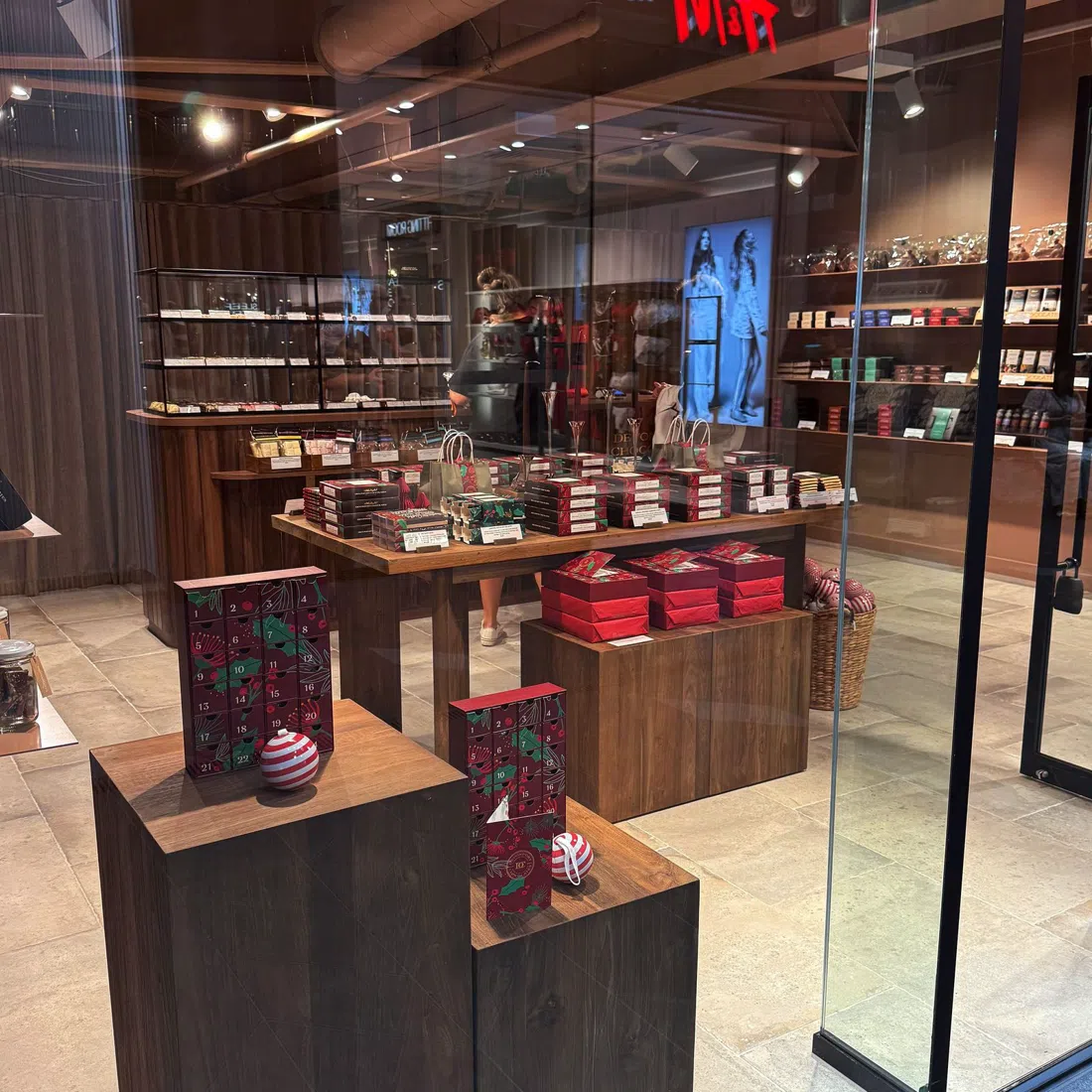
Devonport Chocolates (two minutes from the wharf) opens 9:30am to 5pm daily, with boxes from NZD $5 to $40. The kitchen window, the part children actually want, is only staffed on weekdays and Saturdays, so a Sunday visit gets the shop and not the show. Six or more people will fill the room; go in waves.
Devonport Market (indoors at the ferry terminal and outdoors on Windsor Reserve) runs the first Saturday of the month from 9am to 2pm, free to browse and busiest late morning. The indoor half is why it still functions in changeable spring weather. If your dates do not include a first Saturday, do not rearrange the trip around it.

How long Devonport takes
The minimum honest visit is half a day: the crossing, one maunga, lunch and the boat back. A full day is more comfortable and lets you add the navy museum and the walk to Cheltenham without rushing either. Allow roughly 25 minutes on foot from the wharf to the base of Maungauika, ten to twenty minutes uphill to the top of Takarunga, and fifteen minutes each way to Torpedo Bay. Because the ferry runs every 15 to 30 minutes, the return is the part you can leave loose. Check the last sailing if you plan to eat dinner on the terrace, and otherwise stop watching the clock.
What you pay at the door and what you book ahead
Almost nothing here needs booking. The ferry is walk-on. Both maunga are free open reserves. The navy museum, the local museum and the gallery are free or donation-based. The realistic door cost of a full day for two adults is the return fare plus whatever you eat, which puts a genuinely good day comfortably under NZD $100 a head including a decent lunch.
Booking matters in three narrow cases: the segway tours, because six riders is a hard ceiling; the Explorer Bus for groups of six or more; and a table on the Esplanade terrace at dusk. A guided option also exists for visitors who would rather have Devonport folded into a wider sightseeing day with pickup included. Those guided tours operate seven days a week and start from 132 USD per person, and some departures of the most popular one are already fully sold out on specific dates, including 25, 26, 27, 28, 29 and 30 September 2026. Other dates are still bookable. If that is your plan, sort it before you arrive; if you are doing it independently, none of it applies.
Best time to go in September
September is early spring here, which means genuinely changeable rather than reliably bad. The pattern to plan for is a clear, cool morning and a higher chance of wind and rain by mid-afternoon, so front-load the outdoor half: breakfast at 6:30, an early boat, Takarunga or Maungauika before eleven, and keep the museum, the gallery or the cinema in reserve for whatever the afternoon does. That sequencing will do more for the day than any choice about what to see.
Weekdays are quieter than weekends on every count: the bakery, the chocolate kitchen window and the ferry itself. If Cheltenham is a priority, check the tide first and let it set your timing rather than the other way round; low tide there is a long walk to shallow water. Late in the month the clocks go forward on the last Sunday, which stretches the evening and makes a dusk drink on the waterfront a realistic end to the day rather than a dark one. The local museum's opening windows are narrow and the market is monthly, so both are things you fit into your dates rather than dates you fit around them.
Is Devonport worth the crossing
Yes, with a clear condition: go for the whole shape of it, not for one attraction. There is no headline sight here, and anyone arriving expecting a single big-ticket experience will feel mildly let down. What you get instead is a twelve-minute sea passage, two volcanic summits with the best free views in the city, a serious naval museum with a café on the water, a heritage cinema and a village you can cross in ten minutes. It suits couples, families with children old enough to walk a hill, and anyone with a half day and no car. Large groups do better here than in most places in the city, because the ferry, the maunga and the pub all absorb numbers without fuss, and only the small museum, the chocolate shop and the segway tours impose real limits. A rainy day damages it less than it damages most outdoor attractions, which is precisely why it earns a place in a September itinerary. For where it fits alongside everything else in the city, the Auckland guide sets the wider context.
Practical notes for a September visit
Ferries leave Pier 1 downtown every 15 to 30 minutes from about 05:45 to late. Tap on with an AT HOP card or contactless for NZD $7.80 one way; a paper ticket is $12; children five to fifteen pay about $4.69 on HOP. Every person taps individually, so a group needs a card or phone each. Devonport itself is walkable end to end; hire bikes sit inside the terminal and the hop-on hop-off bus leaves from the wharf hourly.
Cards work everywhere you are likely to spend, with one exception: the segway operator takes cash or direct credit only. Bring notes if that is on your list.
Plan the outdoors for the morning and the indoors for after lunch. Check the tide before committing to Cheltenham, check the gate sign at Maungauika for the season's hours, and check the local museum's short opening windows before climbing to it.
On budget, the return ferry is about NZD $15.60 an adult with HOP. Both maunga are free, the navy museum is free for residents and NZD $15 for international adults, and the gallery and local museum are free. Cinema NZD $13 to $20, bakery NZD $6 to $25, pub or hotel meals NZD $12 to $45. A guided alternative starts from 132 USD per person. Bring a light waterproof, a phone torch for the tunnels and shoes you can climb a hill in.