Auckland's volcanic cones look, from a rental car window, like part of the scenery — green humps breaking up the view of the harbour. Look closer and each one is a named ancestor, terraced by hand into a pā that once held thousands of people, and several are still governed today by the very iwi and hapū whose stories put them there. This is Tāmaki Makaurau, the Māori name for the wider Auckland region — often glossed as "Tāmaki desired by many," a nod to how fiercely contested this isthmus was between competing iwi long before a British survey ship ever entered the harbour. None of what follows is confined to a museum wing. It is walkable, paddleable, and in a few cases something you are invited to sit down and eat.
The Maunga: Cones as Ancestors, Not Scenery
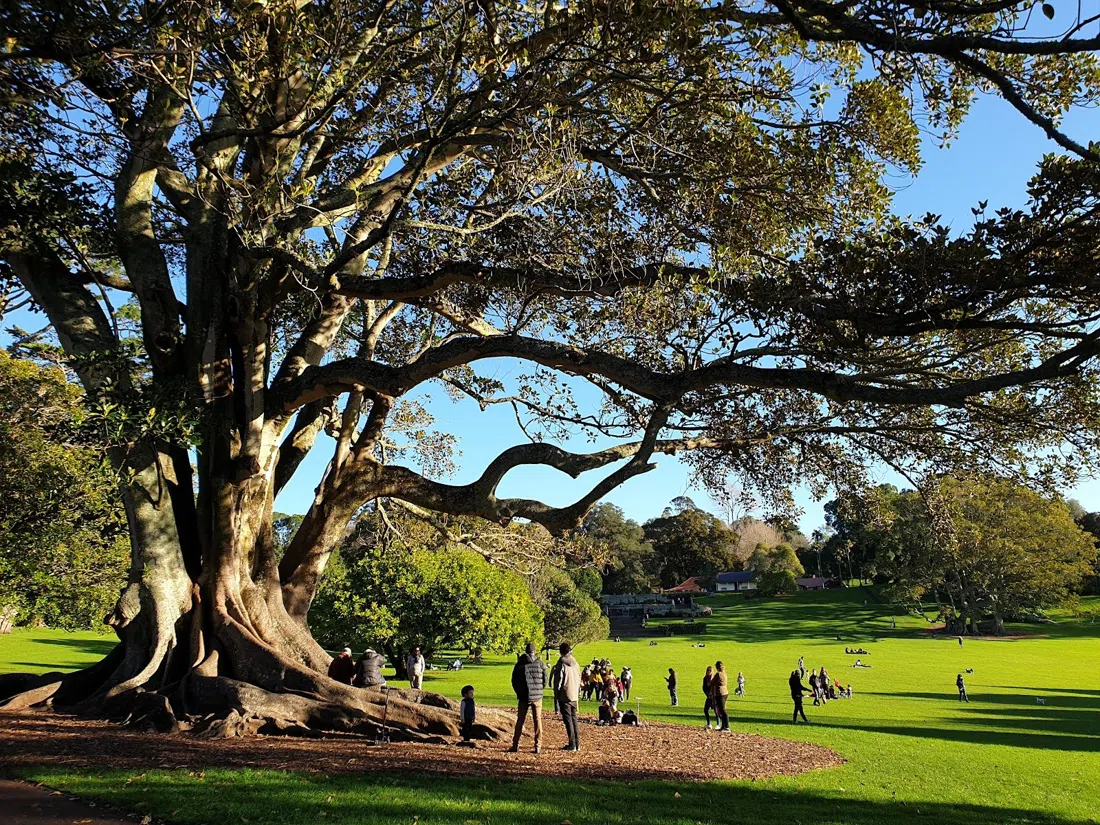
Start with Maungakiekie / One Tree Hill (Cornwall Park, Epsom), the largest and most complete of Tāmaki's volcanic pā sites. The terraces cut into its flanks by hand, centuries before European contact, are still visible from the walking paths, and the whole site is jointly governed today by Ngā Mana Whenua o Tāmaki Makaurau — the Tūpuna Maunga Authority formed from the area's iwi and hapū with historic ties to the cone. Entry is free, access is open and self-guided, and the Huia Lodge Discovery Hub near the base has interpretive displays that give the walk context without needing a guide. Treat the summit itself as wāhi tapu — sacred ground — and keep to the marked paths; this is the clearest place in the city to grasp the idea, central to everything else in this piece, that a maunga is read as an ancestor rather than admired as a view.
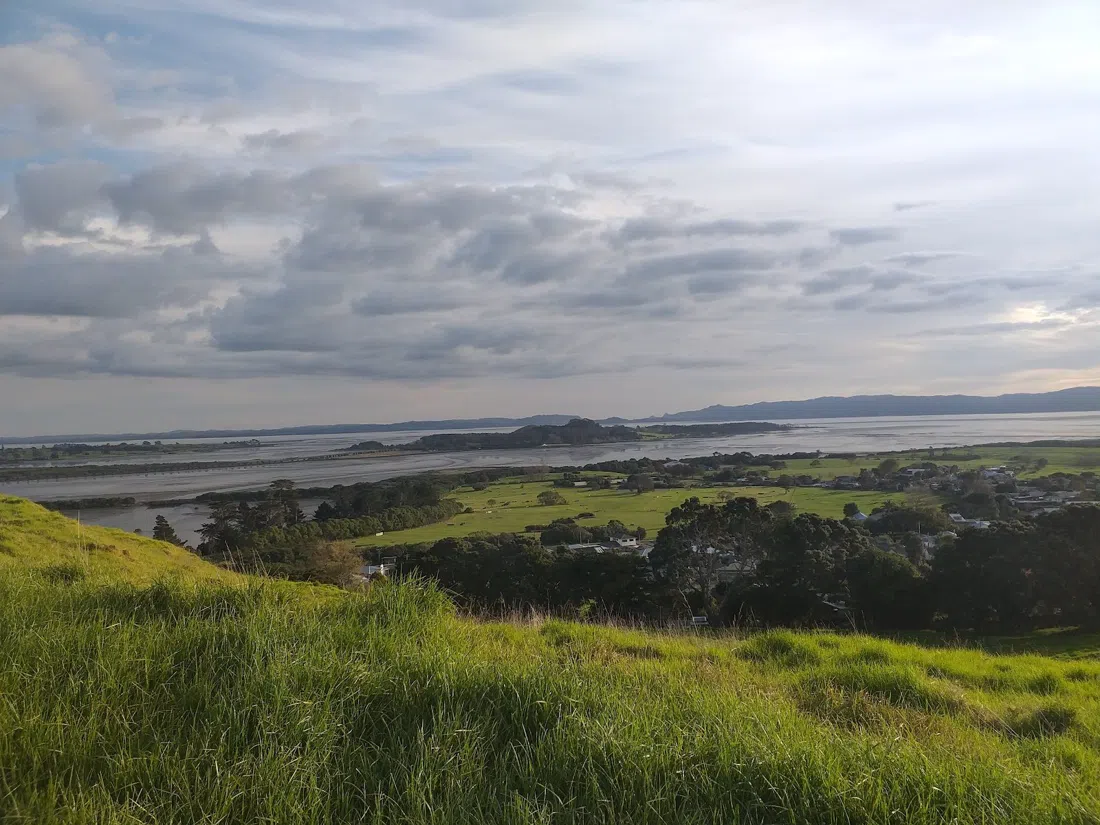
For the same idea told at a different, less-visited pā, cross to Māngere Mountain Education Centre (Māngere), built specifically to interpret one of Tāmaki's largest former pā sites — home to an estimated 4,000 residents at its peak. It runs guided heritage walks for school and adult groups, bookable through bookwhen.com/mangeremountain, with pricing set by group size and length of visit. Māngere gets a fraction of the visitors One Tree Hill does, which is itself telling: it is a reminder that the volcanic-cone story is not a single postcard but a network of pā scattered across the isthmus, most of them still unrecognised by casual visitors doing the drive-past circuit.
Maungawhau (Mt Eden), the highest of the isthmus cones, is where the mana-whenua-guided version of this story is told on-site — covered next.
Guides From the Whenua Itself
Tāmaki Hikoi (Maungawhau / Mt Eden and Ōrākei Marae) is run by guides from Ngāti Whātua Ōrākei, and it is the only Auckland walking-tour operator delivering the maunga story from guides directly descended from the iwi who occupied it. Two tours anchor the offering: Heaven to Earth, a walk up and around Maungawhau itself, and Home Fires of Tāmaki, based at Ōrākei Marae on the harbour's edge. Both run as small guided groups by design rather than coach-scale tours, which suits the material — this is closer to a conversation than a script delivered to fifty people at once — and prices sit around NZ$60–90 per person depending on which tour. Book ahead rather than turning up; small-group capacity means sessions do fill, especially in the New Zealand summer.
For visitors who want the maunga-marae-museum story threaded into one flexible day rather than three separate bookings, TIME Unlimited Tours is the private option — a multi-award Qualmark Enviro Gold operator running small-group and private luxury tours with cultural-performance add-ons available. It costs more, typically from NZ$200 per person upward, and it buys flexibility: a driver-guide who can build a day around your schedule rather than a fixed departure time. It suits couples or small groups who want depth without logistics, less so anyone counting every dollar.
Onto the Water
Most of Tāmaki's Māori history is told from land, which makes Kaitiaki Tours worth seeking out specifically because it isn't. It runs waka ama (outrigger canoe) paddling on the Waitematā Harbour, beginner-friendly and requiring no prior experience, and it operates with the explicit blessing of Ngāti Whātua Ōrākei — the iwi entrusted with Tāmaki's place-names — rather than as an unaffiliated adventure-tourism add-on. Rates are set per group or charter and available on request; this is the rare hands-on experience in this list, not a spectator one, and it suits people who'd rather be paddling than listening.
For a more physically involved and history-dense version of the same idea, Te Toki Voyaging Trust sails the waka hourua (twin-hulled voyaging canoe) Haunui from Auckland's downtown waterfront, taking up to 25 day-sail passengers on public and corporate sails with genuine crew-style participation rather than passive seating. It is a direct, physical link to Polynesian voyaging heritage — the same navigational tradition that brought the first Māori settlers to Tāmaki — and bookings run through tetoki.org/bookings. Programming varies seasonally, so check the current sailing calendar before building a day around it rather than assuming a fixed schedule.
Marae: Protocol, Hospitality, and Overnight Stays
A marae visit is a different register of experience from a museum or a walking tour — it runs on protocol, not admission tickets, and the two options here make that plain in different ways.
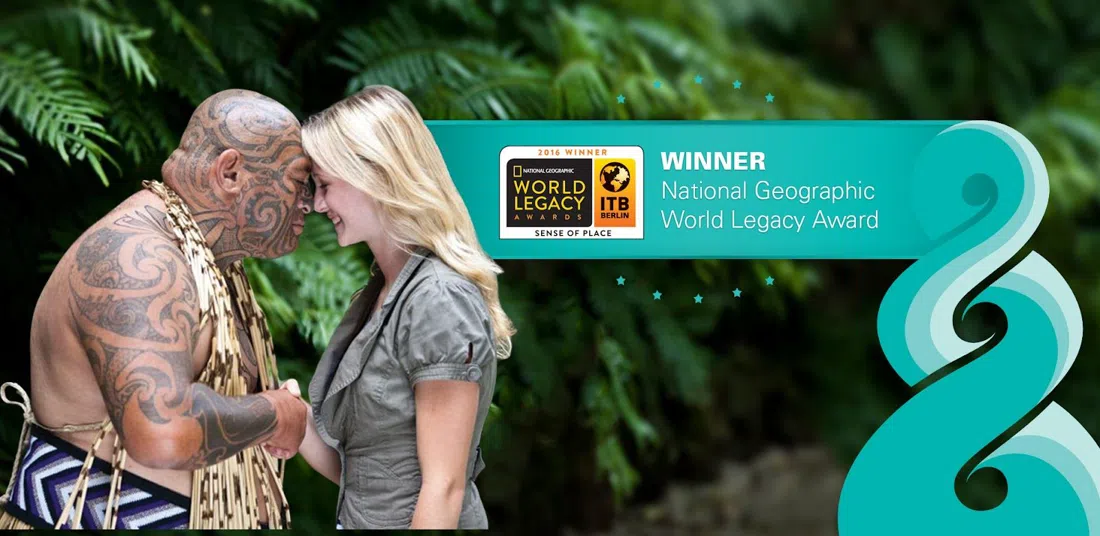
Te Hana Te Ao Marama Māori Cultural Centre (Te Hana, roughly an hour north of the CBD but still within the Auckland Council region) is purpose-built for groups: hourly guided village tours, kapa haka performances, hāngī, and overnight marae stays, with conferences and coach parties regularly hosted. Packages run from around NZ$60 to over NZ$100 per person depending on what's included — a straight performance-and-tour visit sits at the lower end, a hāngī meal or overnight stay pushes it higher. Of everything in this piece, it is the most complete hands-on marae-protocol experience genuinely open to the public rather than by private arrangement, which makes it the natural choice for a group or family wanting a single well-organised half-day.
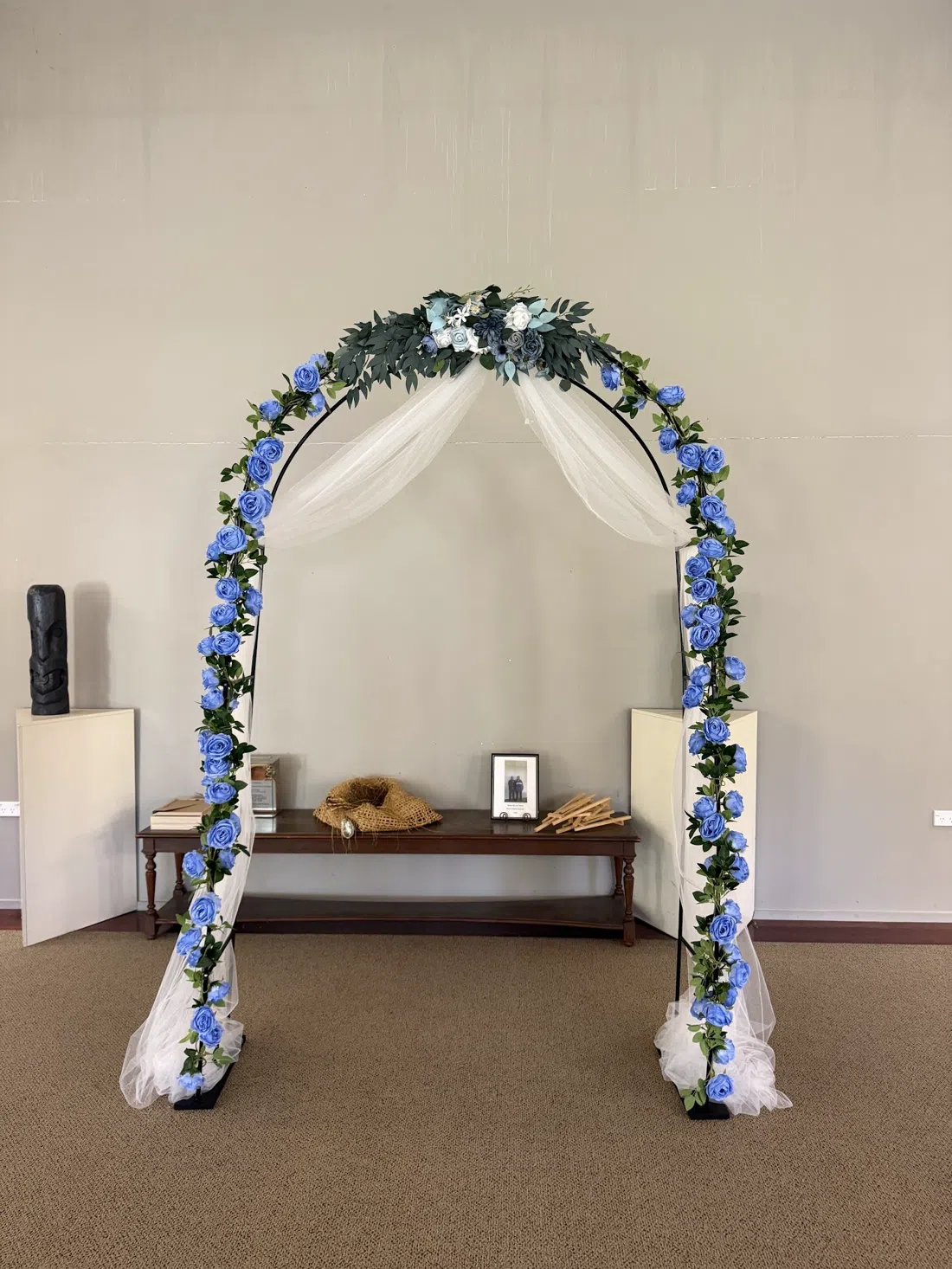
Piritahi Marae (Waiheke Island, a well-under-an-hour passenger ferry from the downtown terminal) is the opposite case: a genuine working marae, not a venue built for tourism, that hosts pre-arranged group visits — half-day, full-day, and overnight cultural exchanges with catering. It does not take drop-in visitors, and packages vary by group size and duration rather than being listed at a fixed rate. This is the visit for a group willing to arrange ahead and follow protocol rather than book a ticket, and it rewards that patience with something the more polished venues can't quite offer: an actual working marae, going about actual marae business, that has chosen to let visitors in.
Museum and Gallery Halls
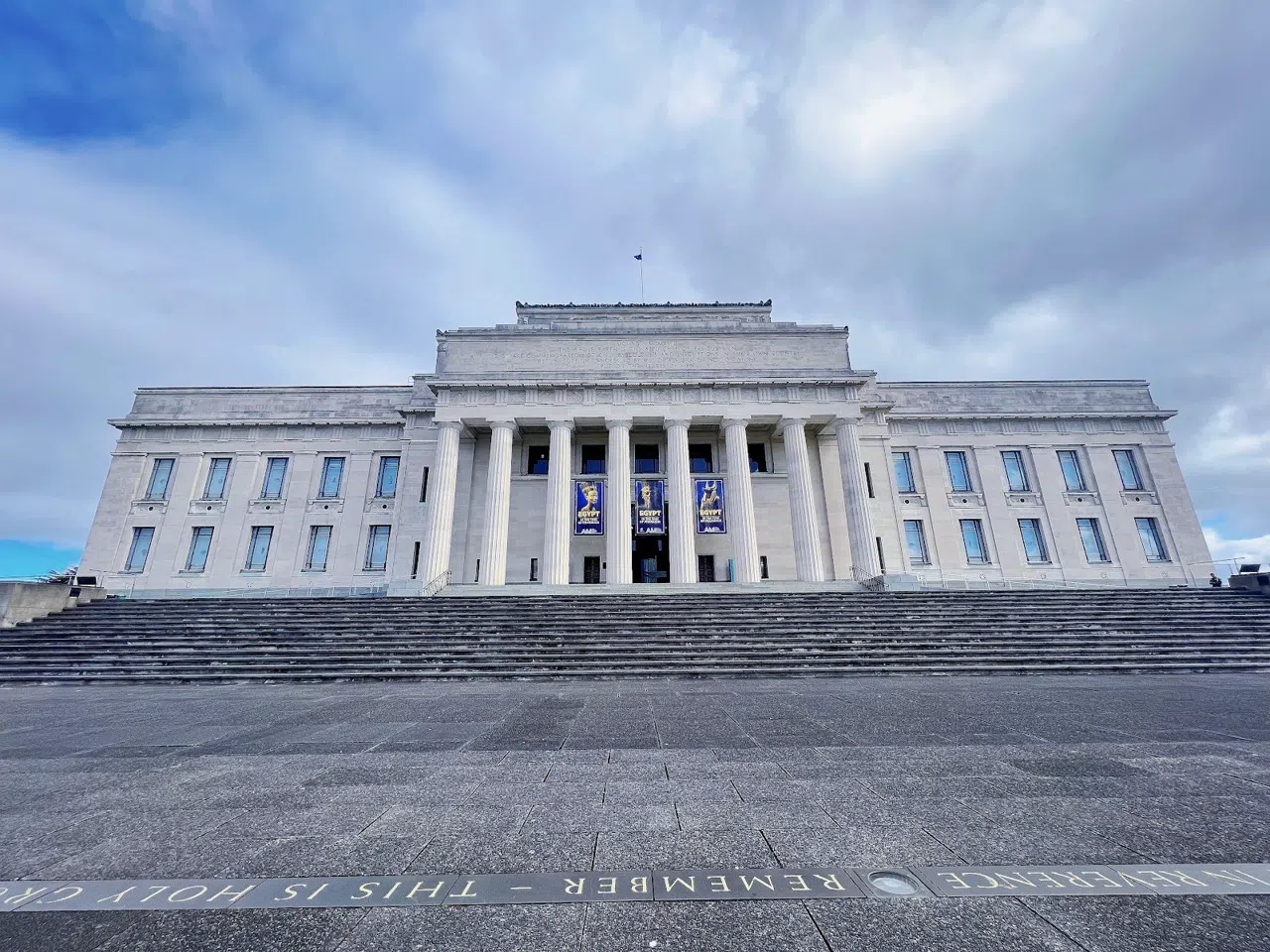
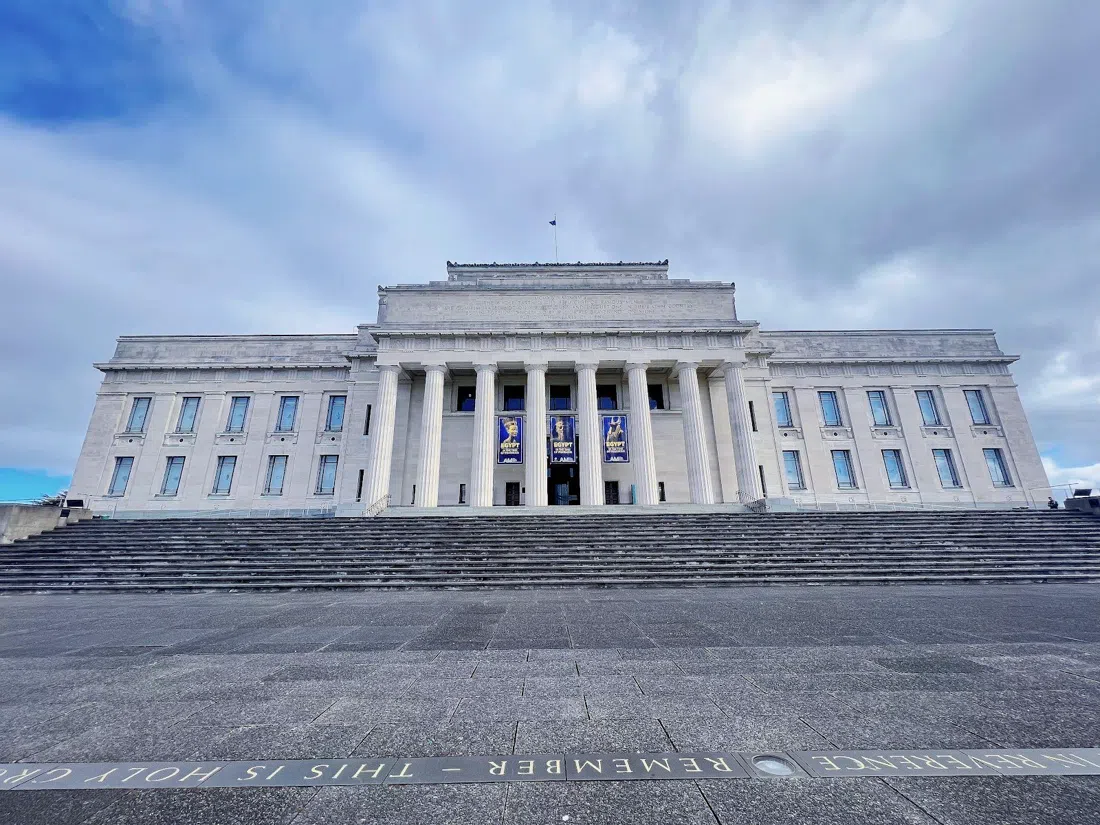
Auckland War Memorial Museum (Auckland Domain) runs a Māori Cultural Performance several times daily, with group bookings taken directly and sessions selling out in peak season — book ahead. At around NZ$35 for an adult and $18 for a child, currently discounted, the ticket includes general museum admission, which makes it reasonable value even before factoring in the performance itself. One honest caveat worth knowing before you go: the museum's dedicated Māori Court and Pacific galleries have been closed since a 2025 asbestos discovery and could remain shut until 2029. The cultural performance is unaffected and still runs, but don't plan a visit around the permanent Māori Court expecting it to be open — check the museum's current gallery status before you build a day around it.
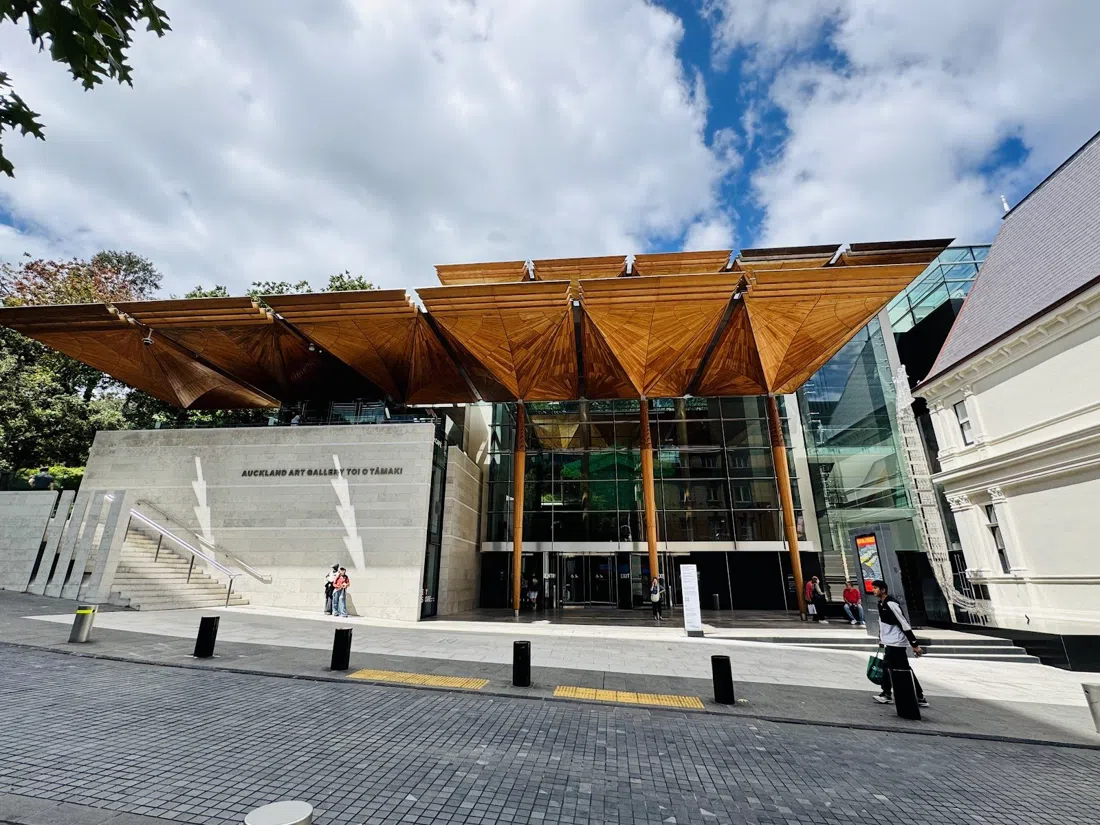
Auckland Art Gallery Toi o Tāmaki (CBD) is the counterweight to everything else in this piece, most of which is historical: it holds major contemporary Māori art collections — Toi Tū Toi Ora was the gallery's largest exhibition ever staged — and runs periodic guided hīkoi and Māori-art introduction tours alongside its free general admission (ticketed exhibitions vary). It's worth an hour on a day when the rest of the itinerary has been maunga and marae, as a reminder that Māori culture in Tāmaki is a living practice with working contemporary artists, not only a heritage story told about the past.
Beyond the Isthmus: Ihumātao and the West
Two further sites round out the picture, both quieter and both easy to miss if you're working from a standard sightseeing list.
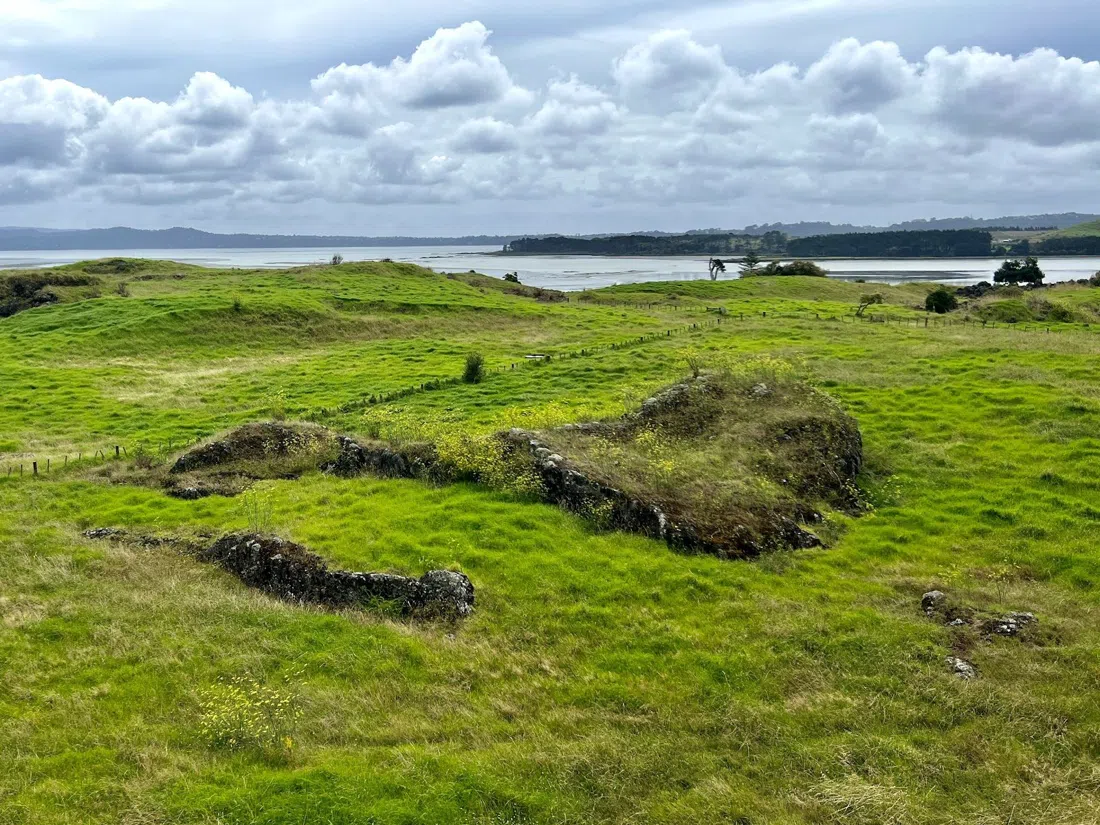
Ōtuataua Stonefields / Ihumātao (Māngere, near the airport) preserves one of only two surviving major stonefield landscapes from Tāmaki's pre-colonial Māori horticulture — a landscape of volcanic-rock garden walls and planting mounds rather than a single monument. It's free to walk independently at any time, and Auckland Council periodically lists guided hīkoi led by the hapū Te Ahiwaru through its OurAuckland events calendar, typically free or run on a koha (donation) basis; check dates before travelling, since they aren't a fixed weekly schedule. It is the quietest site in this piece and, arguably, the most essential counterpoint to the volcano-scenery version of Auckland — proof that this was farmed, engineered land long before it was a view.
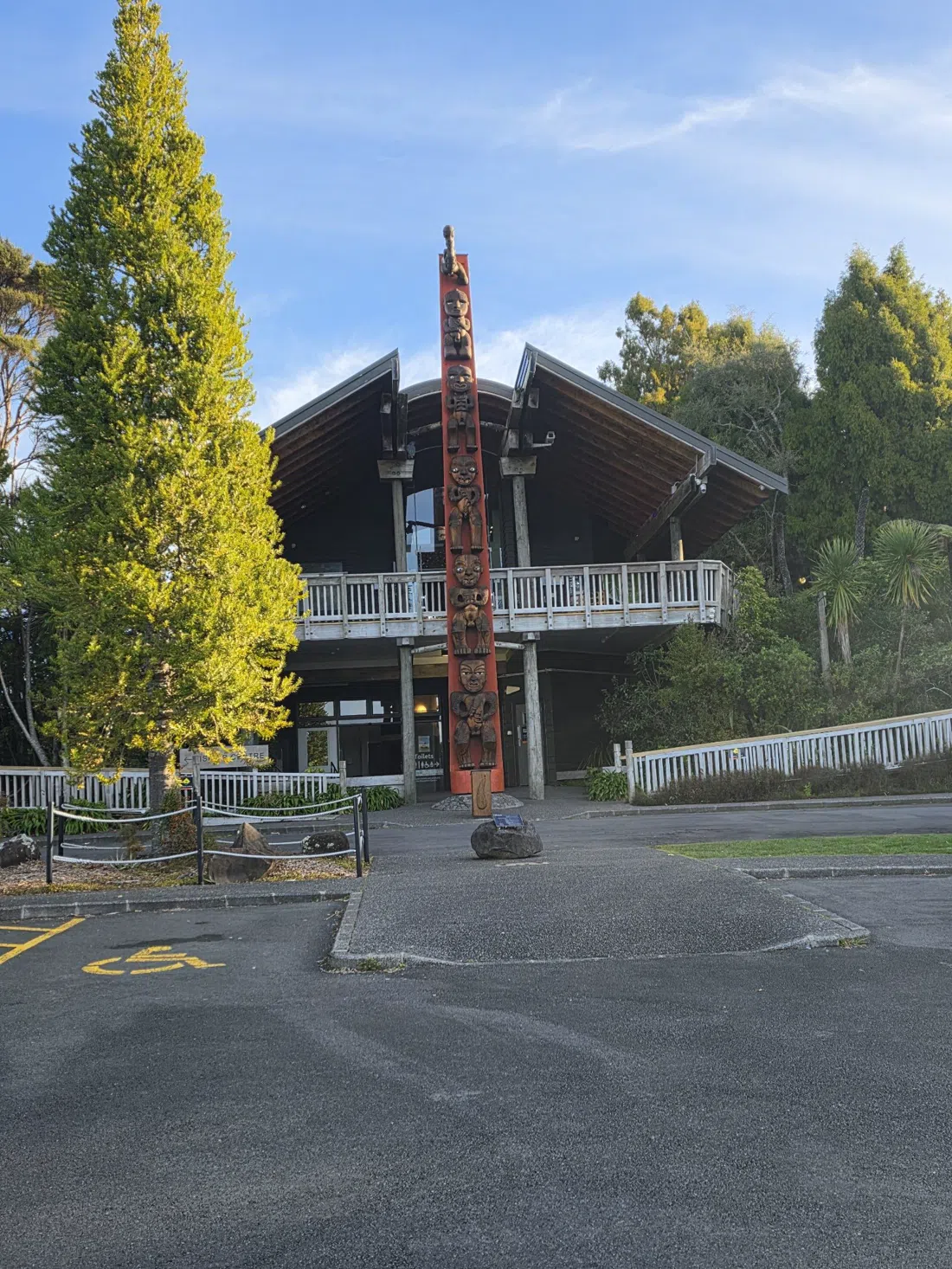
Arataki Visitor Centre (Waitākere Ranges, west Auckland) sits a short drive from the city and serves as the gateway to Te Wao Nui o Tiriwa, the Waitākere forest, and to the story of Te Kawerau ā Maki, the iwi of west Auckland. Entry is free, it's open daily from 9am to 5pm, and it suits independent visitors and groups equally well without a booking. Its value here is geographic as much as cultural: everything else in this piece sits on the isthmus itself, and Arataki is the reminder that Tāmaki Makaurau's Māori history extends well past the volcanic cones into the ranges beyond them.
Planning the Trip: Transport, Cash, Timing, Budget
Most of this piece is reachable by rental car or rideshare within thirty minutes of central Auckland, with two exceptions: Te Hana Te Ao Marama, roughly an hour's drive north, and Piritahi Marae, which requires the Waiheke Island ferry from the downtown terminal. Auckland's public transport covers the isthmus sites reasonably well but not the outer ones, so budget for a car or a driver-guide like TIME Unlimited Tours if you're trying to cover more than two or three sites in a day.
New Zealand runs on card payment almost everywhere, including small operators, though it's worth carrying a little cash for koha at guided hīkoi that operate on donation rather than a fixed ticket price. Book ahead for anything involving small guided groups — Tāmaki Hikoi, Te Toki Voyaging Trust, and the museum's cultural performance can all sell out in the New Zealand summer months, which is also peak season for coach and cruise-ship groups moving through the same sites.
For budget, a single free day is entirely possible — Maungakiekie, Ihumātao, and Arataki cost nothing beyond transport — while a fuller day layering in a guided hikoi, a museum performance, and a marae visit runs somewhere in the NZ$150–250 per person range once meals and transport are added. Whichever version you build, a marae visit specifically needs advance arrangement rather than a same-day decision; protocol, not ticketing, sets the pace there.
For where to stay while working through this list, see Auckland hotel search; for the wider city beyond its Māori history, the full Auckland guide covers the rest.