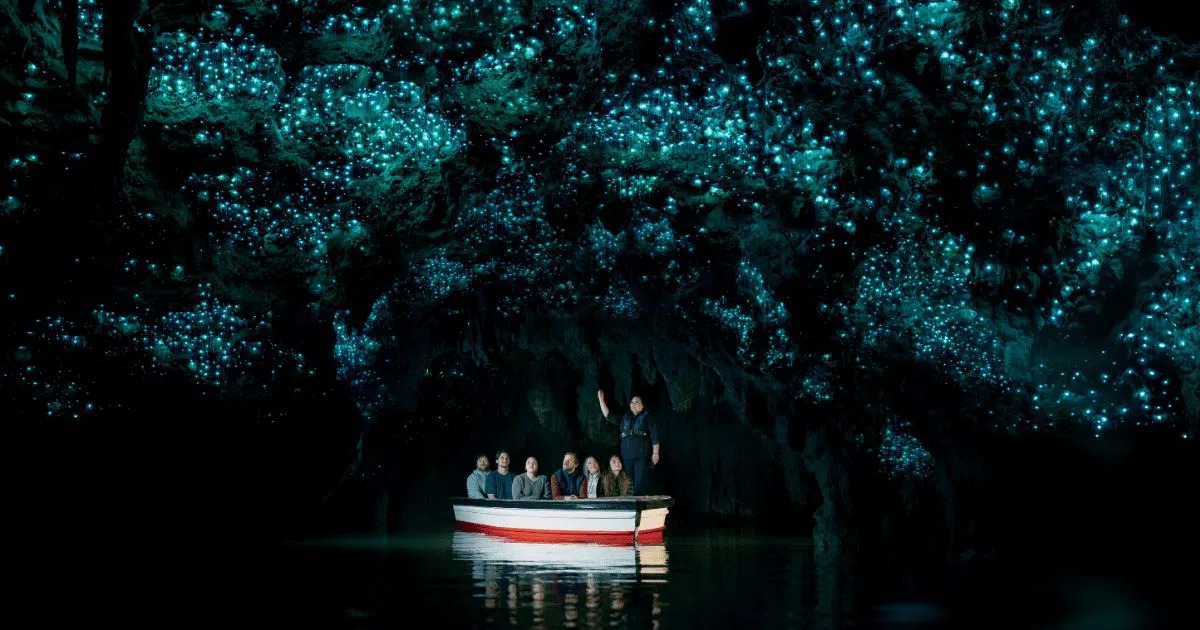

The boat ride at the end of the Waitomo Glowworm Caves happens in silence and near-total darkness, the guide hauling the hull along by overhead wires while a few thousand points of cold blue light hang a metre above your head. It lasts a few minutes and nobody is allowed to photograph it. Getting there from Auckland takes most of a day, which is reason enough to plan it properly. Three show caves, two adventure operators and a handful of free walks sit within a few kilometres of each other, and they suit completely different people.
What is glowing down there
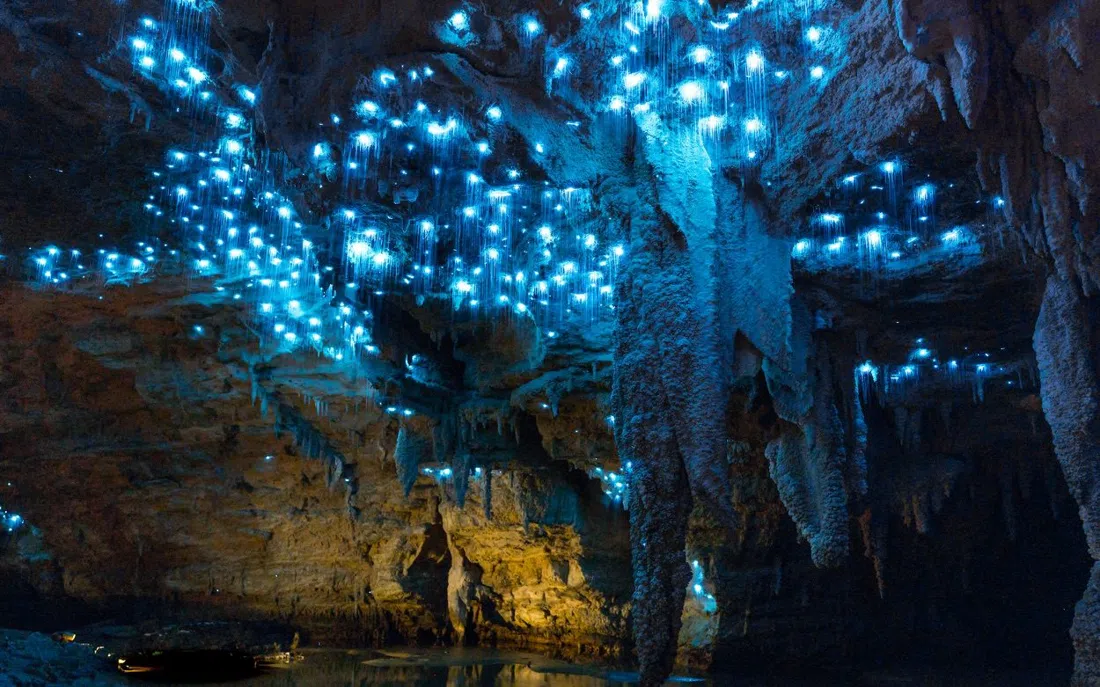
The glowworm is not a worm and it is not glowing for your benefit. Arachnocampa luminosa is the larval stage of a fungus gnat found only in New Zealand, and the blue-green light comes from a chemical reaction at the tail end of its body. The larva hangs from the cave ceiling in a mucus hammock and lets down fishing lines, silk threads beaded with sticky droplets, then advertises with light to draw midges up off the water below. The densest displays sit directly over streams, because that is where the insects hatch. A hungry larva glows harder than a fed one, which is why the same cave can read differently from one week to the next.
Two practical things follow. The larvae dim when disturbed by noise and light, so the silence rule inside the caves does real work, and a camera flash ruins the display for the group behind you. And because the light is a hunting tool and not seasonal, there is no month of the year when the glowworms are switched off.
Before going underground, Waitomo Caves Museum & Discovery Centre (Waitomo Village, 500m from the Glowworm Caves) is a sensible use of twenty minutes and NZD $10 for an adult, $7 for a senior, and nothing for children aged 4 to 14 travelling with a paying adult. It is New Zealand's only specialist cave museum, doubles as the village information centre, sells cave and rafting tickets, and has the toilets and a post counter. Group pricing is explicit (four adults for NZD $30, or NZD $7 a head at ten or more), which makes it the obvious place to put a large party that has time to fill before a tour slot.
The cave with the boat
Waitomo Glowworm Caves (Visitor Centre, 39 Waitomo Village Rd) is the headline act and the only one of the three show caves with the boat. Tours depart every 30 minutes, check-in is 30 minutes before your departure, and pre-booking is essential rather than advisory. The gate price is NZD $85 for an adult and NZD $39 for a child, and a combined ticket with Ruakuri is sold as a package if you want two caves in one transaction.
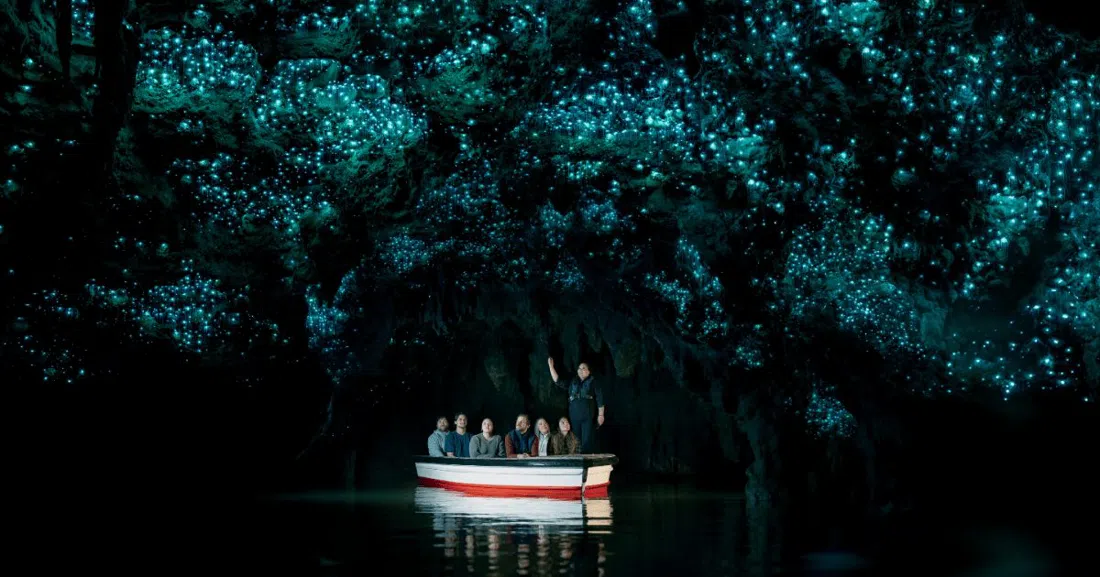
Two restrictions decide whether this is your cave. Photography and video are banned outright inside, phones included, so you leave with nothing but the memory, which some people find a relief and others resent at $85. And this cave takes coach groups all day; between 11am and 2pm the arrivals from both main tourist routes converge on the same car park and the same timetable. A slot before 11am or after 2pm is the identical cave with a fraction of the crowd, and it is the single cheapest improvement you can make to the day.
The cave to pick if you want photographs
Ruakuri Cave (Ruakuri Visitor Centre, Tumutumu Road) is the one to choose if being unable to take a single picture would bother you, because cameras are allowed in selected areas. Departures run at fixed times from 10am with the last tour at 3:30pm, you need your own transport to get there, and it costs NZD $122 for an adult, NZD $46 for a child, or NZD $296 for two adults and two children. It is the most expensive show cave in the district and also the longest walk, with glowworms viewed from a dry path rather than from water.
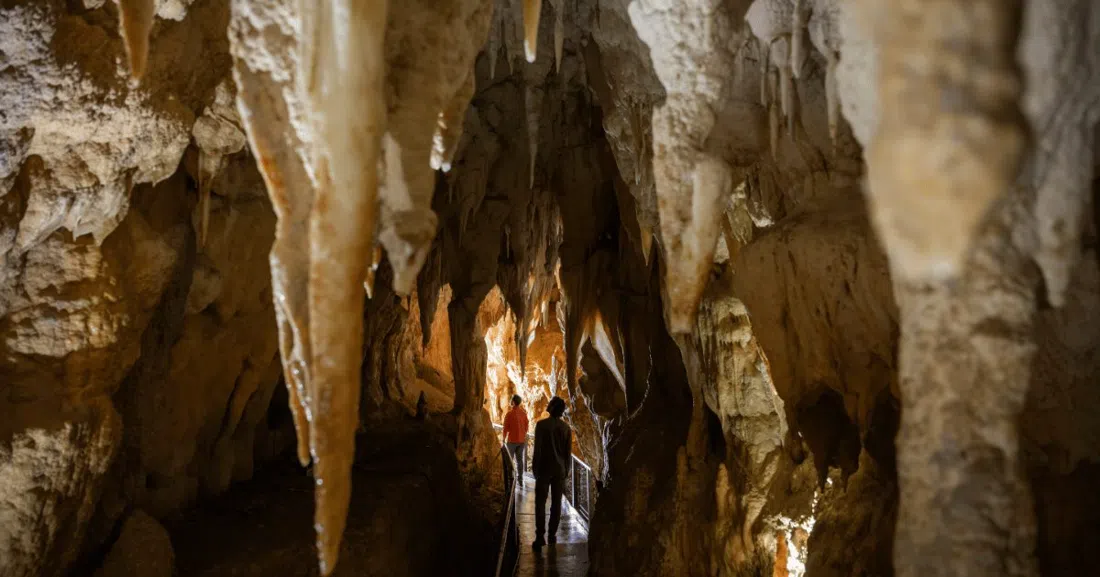
It is also the only wheelchair and pushchair accessible cave at Waitomo, step-free up to a chair width of 65cm. If someone in your party uses a chair, this is the only option, and the 65cm figure is worth measuring at home rather than discovering at the entrance.
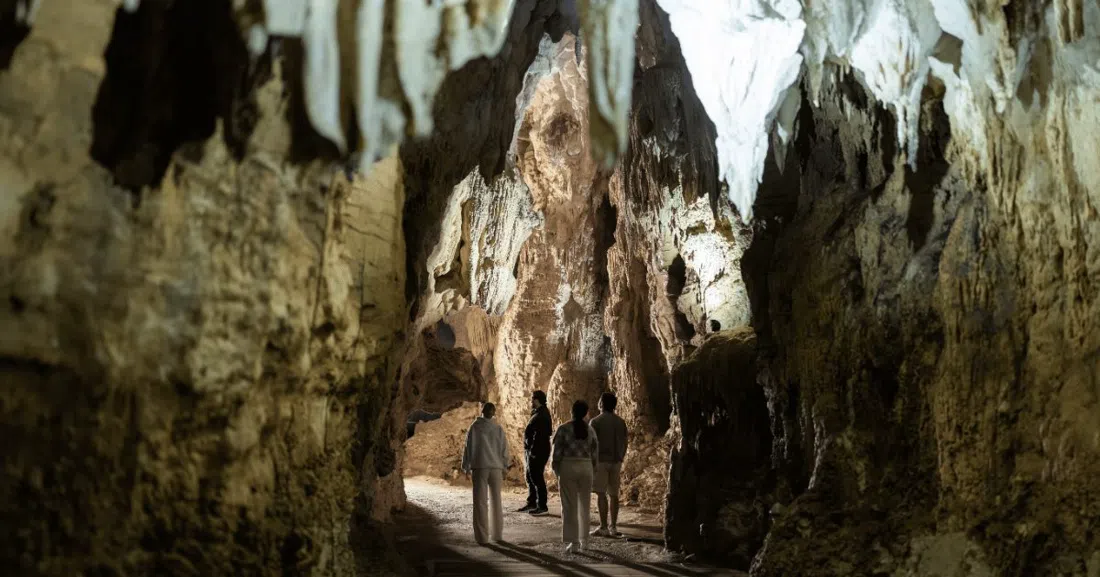
Aranui Cave (departs from Ruakuri Reserve, Tumutumu Road) has the finest formations of the three, it is camera-friendly, and it is the quietest. It also has no glowworms at all, which regularly catches people out. If you are doing one cave only, pick another; if you are doing two, it is the best companion to the boat. Check-in is back at 39 Waitomo Village Rd even though the cave is about a ten-minute drive away, so a car is required. NZD $85 adult, NZD $39 child, NZD $217 for a family of two adults and two children. It was closed for maintenance from 11 August to 14 September 2026 and is operating normally again.
The small-group alternatives
If the thought of a 60-strong queue in a souvenir shop is what puts you off Waitomo, the district's smaller operators exist for exactly that complaint.
Spellbound Glowworm and Cave Tours (cave off Boddies Road, reached by car from the village) caps every tour at 12 people. It is unhurried, cameras are allowed, and the glowworm display can read denser than the main cave's because the group is small enough to stand still in the dark for as long as it takes. The Glowworm Cave Essential tour is NZD $79 adult and NZD $25 child; the longer Glowworm and Cave Explorer is NZD $99 and NZD $34, and private departures can be arranged. It runs seven days for most of the year but may drop Sundays and Mondays between May and September, closes on Christmas Day and Boxing Day, and can close at short notice for flooding, because this is a stream cave and heavy rain wins.
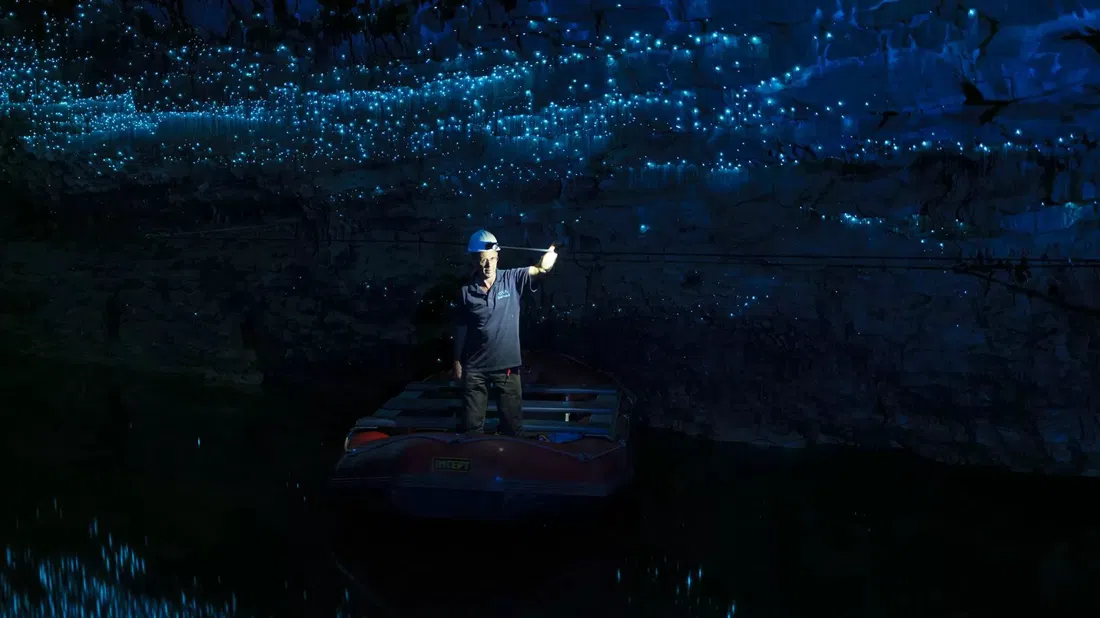
CaveWorld — Footwhistle Glowworm Cave (a working private cave outside Waitomo Village) is the cheapest honest glowworm cave here at NZD $64 adult and NZD $39 child, and the least processed: lantern-lit, with no concrete staircases and small groups. The sunset departures from NZD $69 adult and NZD $49 child sidestep the day-trip rush altogether, and a fully private tour runs to roughly NZD $774 if you want the cave to yourselves. Pre-booking is required; this is not a walk-up.
Going in wet and vertical
The show caves are the polite version of Waitomo. The district's reputation among people who travel for the activity rather than the sight rests on two operators.
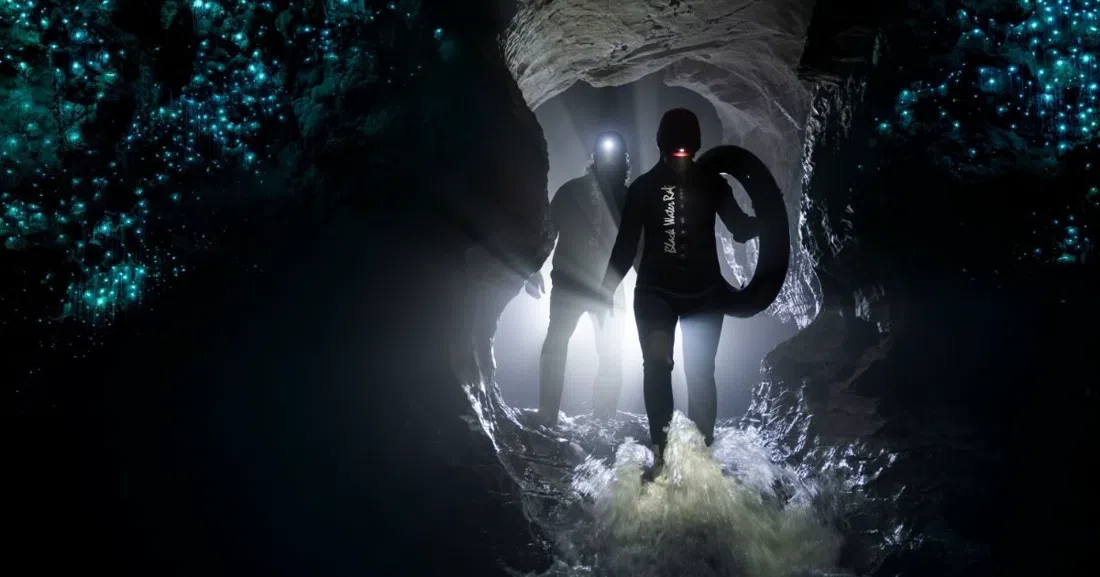
The Legendary Black Water Rafting Co (585 Waitomo Caves Road) sells two tiers from the same base, which has lockers and hot showers. Black Labyrinth is the three-hour float-and-jump trip in a wetsuit and inner tube, from NZD $199 to $204 per adult, minimum age 12 and minimum weight 45kg. Black Abyss is five hours and NZD $322, adds a 35-metre abseil, a zipline into the dark and a waterfall climb on the way out, and has a minimum age of 16 with the same 45kg floor. It runs 364 days a year, closing only on Christmas Day, and it books out completely in peak season. No cameras are permitted; the guides shoot for you.
Waitomo Adventures (1227 Waitomo Valley Rd) is the serious end. Haggas Honking Holes is NZD $325 for four hours of abseiling, squeezes, waterfall climbing and genuine physical work. The Lost World Half Day is NZD $625 for a 100-metre abseil into a daylight-lit shaft, which is the most dramatic single thing on offer in the district, with an All Day Epic priced above it. Groups are small and guided, booking is online only on Visa or Mastercard, and availability on the Lost World trips is limited. If that is the reason you are coming, book it before you book anything else.
How long it all takes
A single show cave is a 45-to-60-minute tour plus the 30-minute check-in, so budget two hours door to door including the car park and the gift shop you will walk through on the way out. Two caves plus lunch is a comfortable five hours. Black water rafting is three or five hours before you add changing and showering, and it does not combine with a second cave on the same day unless you enjoy being rushed.
From Auckland the drive is about two and a half hours each way, which turns one cave into a nine-hour day. Guided day trips run every day of the week, which is useful if you would rather not drive back tired in the dark. Build the day around your underground slot and fill the gaps with the free walks rather than the reverse.
Tickets at the gate or booked ahead
Gate prices and advance prices are broadly the same here, so booking ahead buys you a seat rather than a discount. It is worth doing anyway. The Glowworm Caves treat pre-booking as essential, Spellbound's 12-person cap means a walk-up on a busy day is a coin flip, Waitomo Adventures takes online bookings only, and the black water trips sell out completely in peak season.
The demand on the guided day trips from Auckland is measurable rather than a marketing line: there are 6,726 traveller reviews across the bookable tours here, with the most popular one rated 4.9 out of 5 from 3,152 reviews. Some departures of that tour are already fully sold out on 6, 8, 9, 10, 17 and 19 October 2026, with a further fourteen individual dates gone; every other date is still bookable. Pick your date and book it, but there is no need to panic about the calendar as a whole.
Access and the rules that actually bite
Four rules cause most of the disappointment. There are no cameras or video in the Glowworm Caves, at all. Cameras are allowed in selected areas at Ruakuri, and freely at Aranui and the small-group caves. Ruakuri and Aranui need your own transport, which rules both out if you arrived on a coach. And the adventure trips carry hard minimums, 12 years and 45kg for the float trip, 16 years and 45kg for the abseil version, which are weighed and enforced, not negotiated.
Ruakuri is the only cave that answers access needs, and the only one you can roll a pushchair into. The free walks involve many stairs and get slippery, and dogs are not permitted on any of them.
The free half of Waitomo
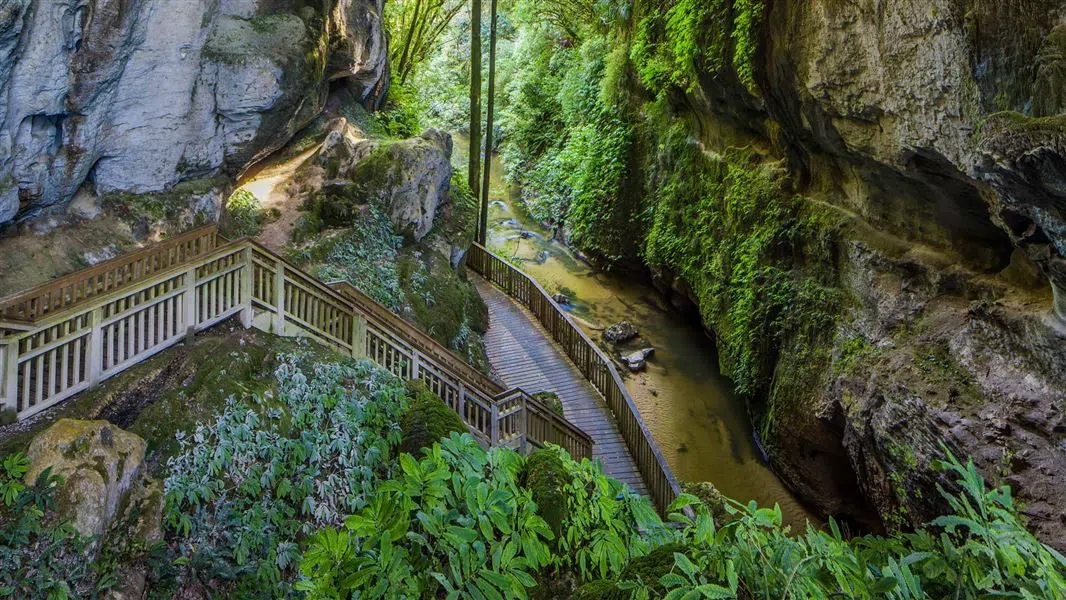
Ruakuri Bush Walk and Natural Tunnel (Tumutumu Road, 4km west of the village, or on foot from the village via the Waitomo Walkway) is the best free thing in the district, and the answer to whether there is anything to do here without paying. It runs through limestone tunnels and over a gorge on boardwalks, with open access and no booking. Go back after dark with a torch and there are wild glowworms near the main bridge, free and uncrowded, the one experience here you can have entirely on your own terms. It has a lot of stairs and goes slippery after rain.
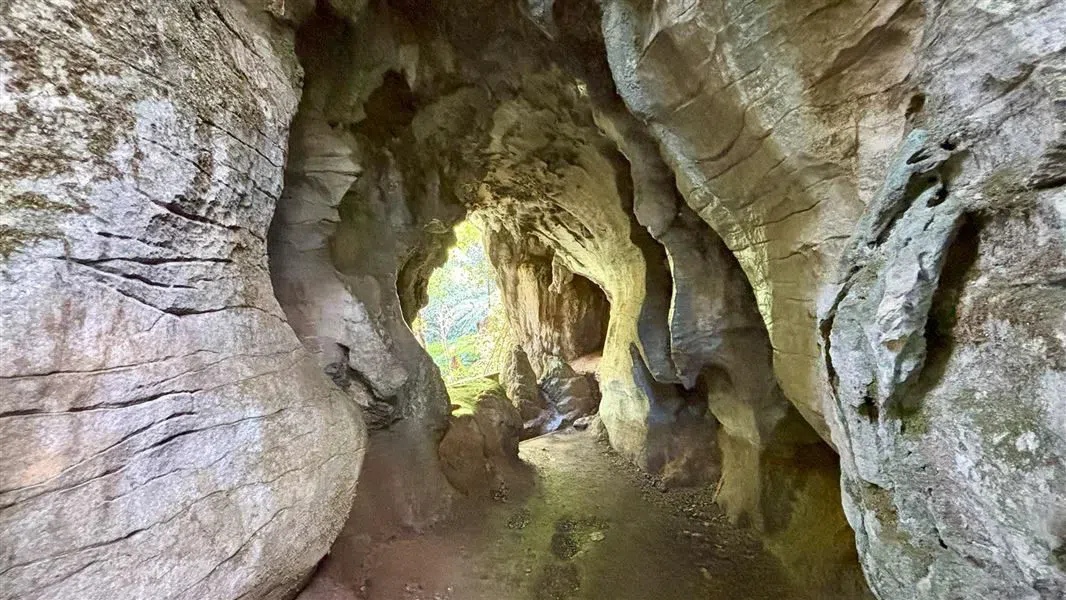
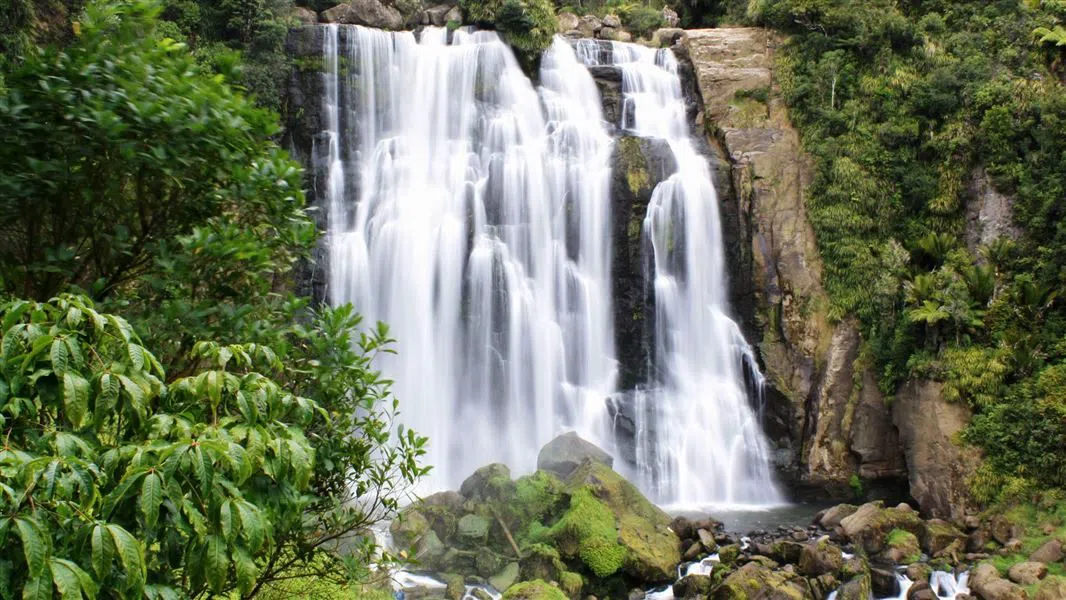
West of the village, Te Anga Road strings together two more. Mangapohue Natural Bridge (roadside car park, Te Anga Road, 26km west) is a collapsed cave roof you walk underneath, 700 metres return and about twenty minutes, and the clearest way to understand the karst you have been looking at from the inside. Marokopa Falls (Te Anga Road, 31km west) is 600 metres return on stairs that turn muddy after rain, and it is loud and heavy when the river is up. Stay behind the barriers. Together they turn a half-day of caves into a full day without spending anything.
Eating in the village
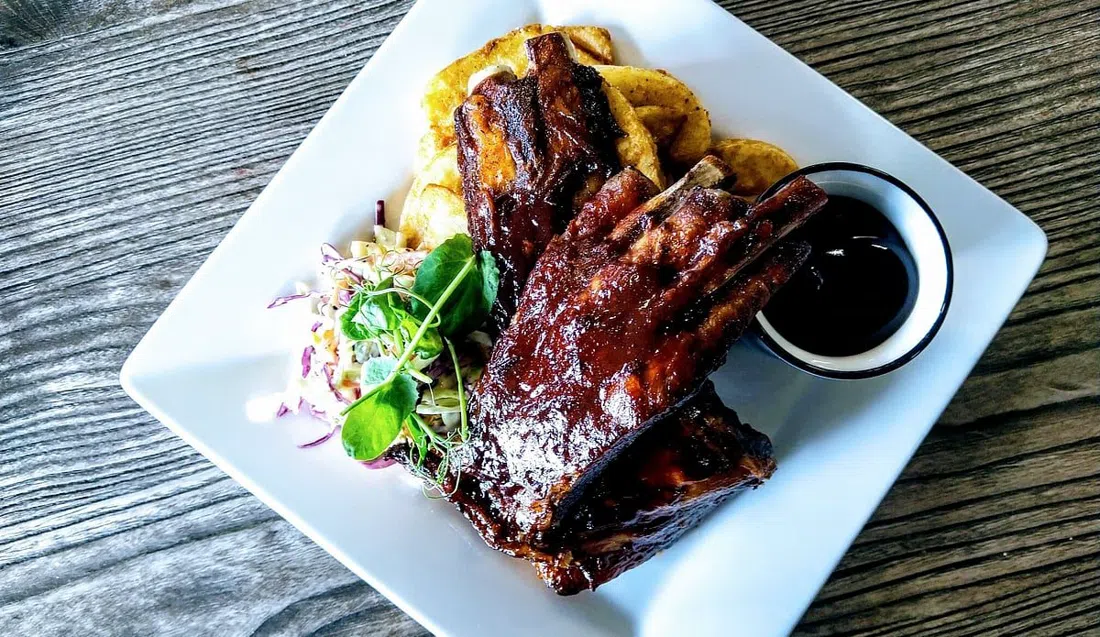
HUHU Café (Waitomo Village, a short walk from the caves) is the one genuinely good sit-down meal in Waitomo: tapas-style plates, mains and a New Zealand wine list, mid to upper priced. There is a function room seating up to 20 with set menus, plus catering, which makes it the practical choice for a group dinner. Hours tighten in winter, so ring ahead rather than arriving hungry at 11am and finding the kitchen cold.
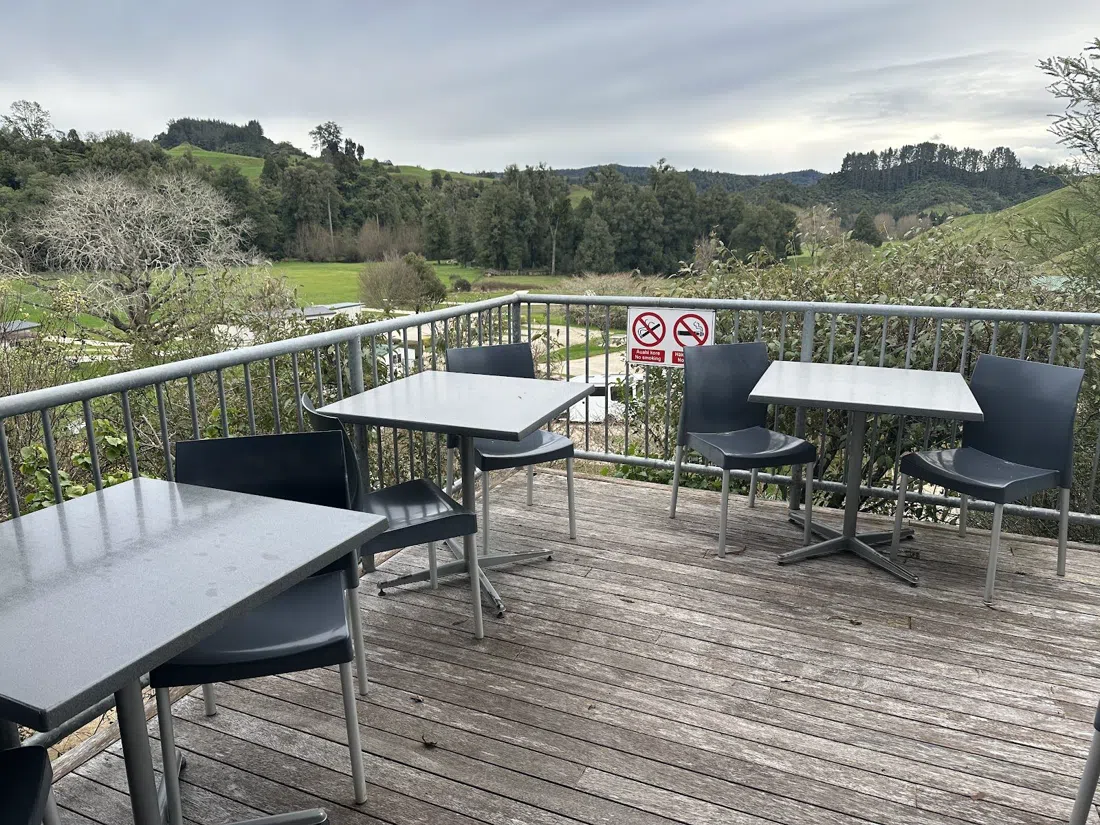
The General Store Waitomo (Waitomo Village), which trades as Twelve Tables Bar & Eatery, covers everything else: big breakfasts before a 9am cave slot, pub-style plates afterwards, cold drinks, and the village's only grocery shelves. It is walk-in, family friendly, and does not need a booking for a small group. That matters, because Waitomo has almost no other food options. The historic Waitomo Caves Hotel has been shut since 2020 and nothing has replaced it.
What else fits in the same day
Hobbiton Movie Set (shuttles from The Shire's Rest, 501 Buckland Road) is the standard other half of a Waitomo day out from Auckland, about two hours' drive from the caves. Entry is by fully guided walking tour only because the set sits on private farmland, it runs year round and routinely handles large coach groups, and it costs NZD $130 for an adult and NZD $65 for a youth aged 11 to 17, taking around two and a half hours including a drink at the Green Dragon. Two set-piece attractions and four hours of driving make for a long day, doable but not restful.
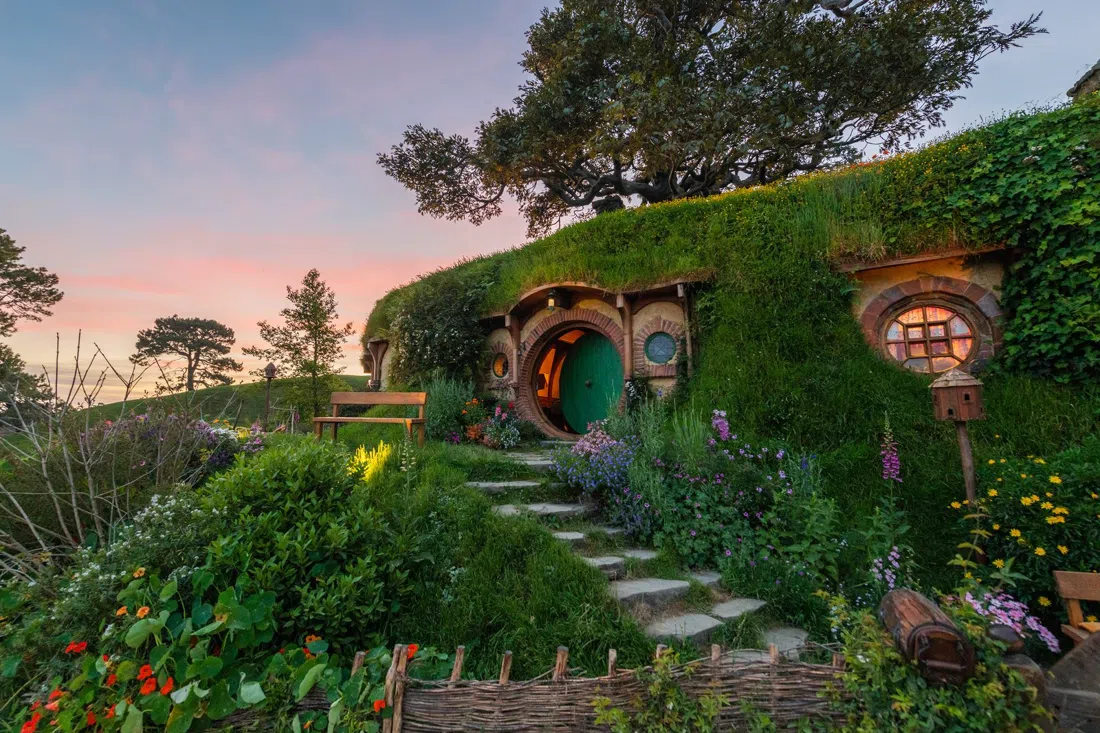
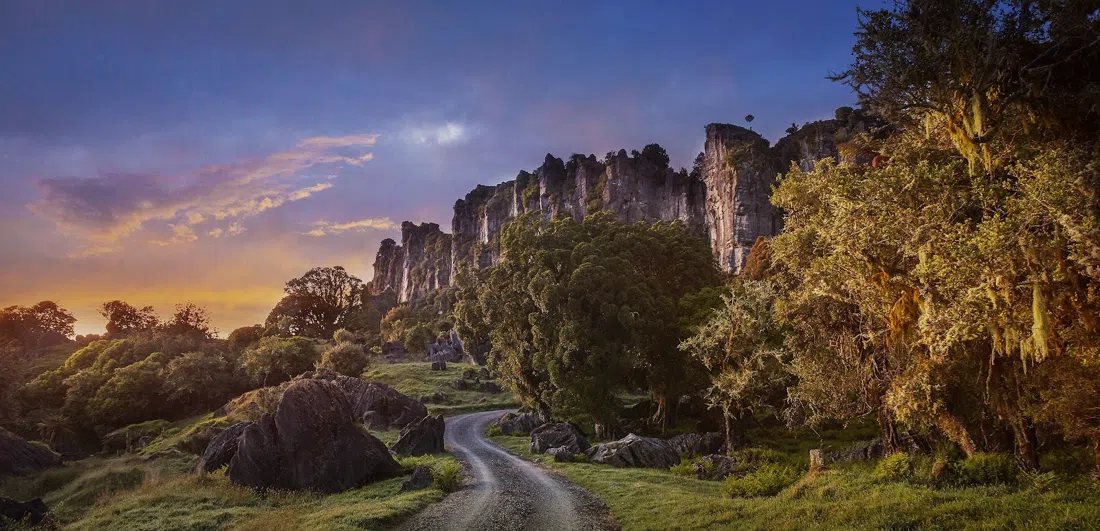
The quieter film-location option is Hairy Feet Waitomo (1411 Mangaotaki Road), a working sheep and cattle farm thirty minutes from the caves whose valley stood in for Trollshaws Forest and, later, Greenwood the Great. Tours are small and personally guided at NZD $70 adult and NZD $40 child for 14s and under, but it currently operates by request with a 10am start and asks 48 hours to confirm, so it is not a same-day decision.
Ōtorohanga Kiwi House & Native Bird Park is fifteen minutes north and open 364 days from 9am to 5pm with last admission at 4:15pm. At NZD $29.50 for an adult, NZD $13.50 for a child aged 5 to 15, free under 5 and NZD $75 for a family pass, with tickets valid for two days, it is the most reliable place to see a live kiwi in daylight and the easiest thing to bolt onto the drive. For the city end of the trip, where to base yourself and what to do on the days either side, see the Auckland guide.

Best time to go
The glowworms are a year-round proposition, the caves sit at a steady cool temperature whatever the weather, and nothing about the display is seasonal. What changes is the crowd and the water.
Time of day matters most. Before 11am or after 2pm at the Glowworm Caves avoids the window when the coaches stack up; the first departure of the morning and the last of the afternoon are the calmest. The sunset slot at the small lantern-lit cave is the most comfortable way to see glowworms in high season, and the free bush walk after dark costs nothing at any time of year.
By season, the New Zealand summer from December to February brings domestic school holidays on top of international visitors, and that is when the adventure trips sell out. Shoulder months are quieter underground and no worse to look at. Winter brings two caveats: heavy rain raises the streams, which can cancel black water trips and close the smaller stream cave outright, and village opening hours contract. Weekdays beat weekends. And maintenance closures happen (one of the three show caves was shut for five weeks in 2026), so confirm your specific cave is open before you drive.
Is it worth it
Yes, with one condition: choose the right cave rather than the famous one by default. The boat ride is a genuinely strange few minutes, unlike anything above ground, and NZD $85 for it is fair. But if you want photographs, go to the walking cave with camera access. For formations, take the cave with no glowworms and accept the trade. For quiet, pay less for a 12-person tour instead of more for the headline. And if the activity brought you here rather than the view, the abseil trips are what this district is famous for among people who cave.
Couples and small groups do best in the small-cave options, families at the accessible walking cave and the bird park, and large organised parties almost exclusively at the main Glowworm Caves and the museum, which are the only two places here built for that volume. It suits anyone expecting a two-hour spectacle for the money less well: the underground portion is short, and the day is made or broken by what you put around it.
Practical notes
There is no useful public transport to Waitomo. Either drive, about two and a half hours from Auckland with the last stretch on narrow rural roads, or take a guided day trip and let someone else handle the return leg in the dark. Ruakuri, Aranui and the Te Anga Road walks all require your own vehicle; everything else is walkable from the village.
Cards are standard at the caves and cafés, and one adventure operator takes Visa and Mastercard online only, so do not plan on cash. Carry a little anyway, because mobile coverage in the valley is patchy and card terminals occasionally sulk. Bring a warm layer for the caves regardless of the forecast, shoes with grip for the stairs, and a torch if you intend to do the bush walk after dark.
On budget, a realistic day for two adults runs about NZD $170 for the boat cave alone, NZD $244 for the accessible walking cave, or NZD $128 for the cheapest small-group glowworm tour, plus around NZD $20 for the museum and nothing for the walks and the waterfall. The adventure trips sit on a different scale entirely, from NZD $199 a head to NZD $625. Book your underground slot first, then your meal, then fill the rest with the free walks. If you would rather break the drive over two days and start fresh, the Auckland hotel search is the place to begin, since the city remains the practical base for almost everyone doing this trip.