
Auckland
Auckland sits on a narrow volcanic isthmus, pinched between the Tasman Sea and the Pacific Ocean.
Guests & rooms
The Auckland guide
An insider’s read on Auckland
AAuckland sits on a narrow volcanic isthmus, pinched between the Tasman Sea and the Pacific Ocean.
Originally named Tāmaki Makaurau (“the isthmus of one thousand lovers”) by Māori, the region was highly prized for its fertile volcanic soils and strategic waterways. British colonization in the mid-19th century established the city of Auckland, which briefly served as the colonial capital before the administration moved south. Today, it is the largest Polynesian city in the world, home to a diverse population of Māori, Pacific Island, Asian, and European communities. This cultural blend shapes the city's identity, evident in its world-class culinary scene, contemporary art galleries, and the relaxed, outdoor-focused lifestyle of its residents.

PLATE IAuckland, New Zealand

Guides & ideas
The Auckland reading list
Hand-written guides from our editors — itineraries, the best of after dark, where to eat, and what’s genuinely worth your time.
Three Nights in Auckland Without Wasting a Day
Most of a first visit to Auckland is decided by how you use the water. Three nights across the isthmus, the gulf and the west coast, with none of it over-planned.

Auckland in Spring Rewards Anyone With a Plan B
How to build an Auckland day between September and November with a wet branch and a dry branch, so a passing squall costs you nothing.
How Auckland Slows Down for Its Shortest Days
As days shrink toward the winter solstice, Matariki lights, warm kitchens and empty ferries reveal an Auckland made for lingering, not just sailing.
Reading Auckland as Tāmaki Makaurau
A grounded look at Tāmaki Makaurau's maunga, marae and waters through Māori eyes — who's hosting, what it costs, and how to visit well in 2026.
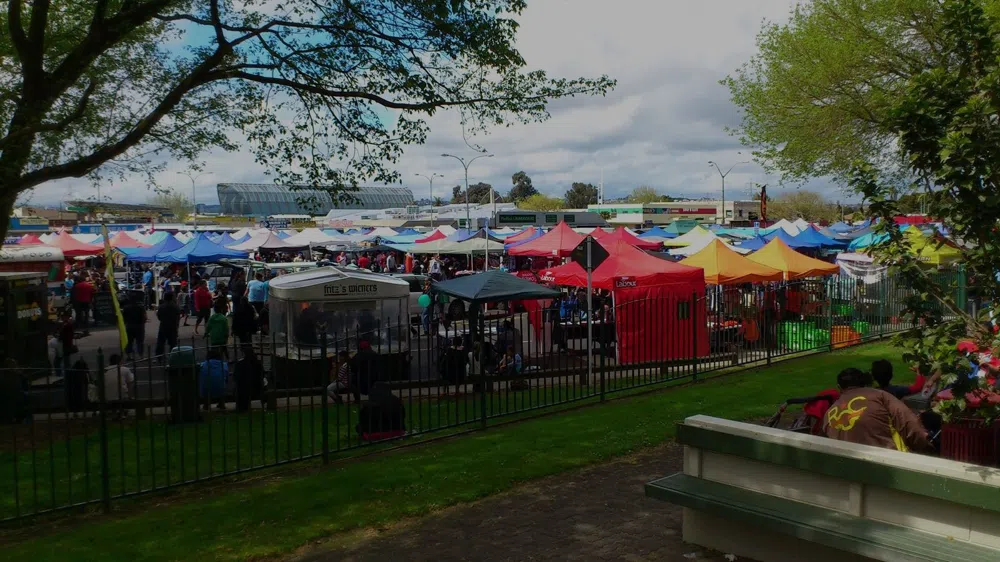
Auckland, the World's Largest Polynesian City
Fifteen minutes south of the waterfront, Auckland's Pacific heart beats through a Saturday market, a food strip that never needed a tourist board, and church-lunch cooking that has fed the same streets for half a century.
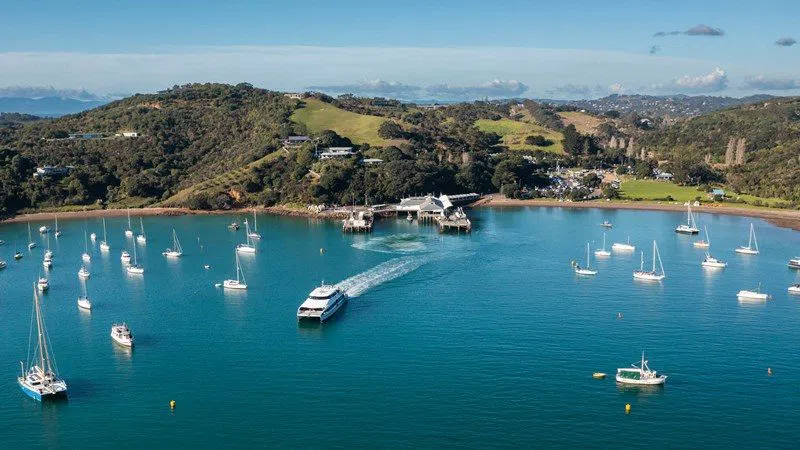
The Hauraki Gulf: Auckland's Island-Hopping Day Trip by Ferry
From vineyard lunches on Waiheke to a volcanic summit and a bird sanctuary two decades in the making, Auckland's harbour opens onto a gulf that rewards a single day with a ferry ticket and no fixed plan.
Where to base yourself
The neighborhoods
01
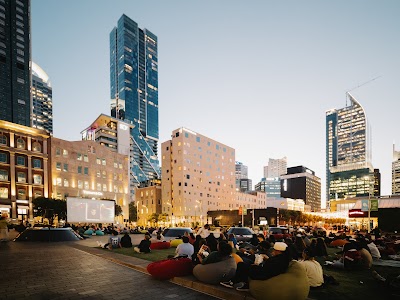
Britomart
For Design-conscious travelers and food enthusiasts. The trade-off is the premium price tag on accommodation and dining.
A sleek, restored heritage precinct featuring historic brick warehouses converted into high-end boutiques, design offices, and upscale restaurants.
Where to stay — High-end design hotels and boutique luxury properties set within restored historic buildings.
02
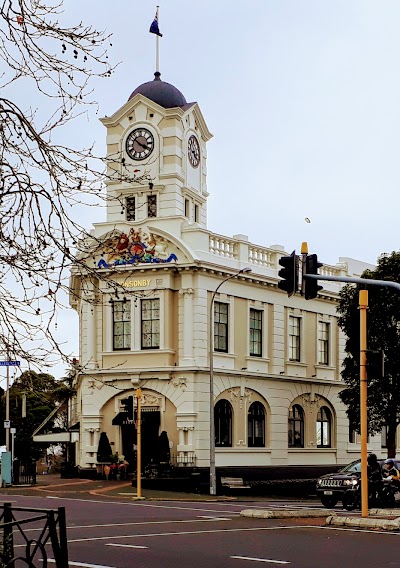
Ponsonby
For Fashion shoppers, brunch lovers, and people-watchers. The trade-off is the lack of direct rail access and limited parking.
A trendy residential and retail strip lined with Victorian villas, independent fashion boutiques, art galleries, and outdoor cafes.
Where to stay — Boutique guesthouses, stylish apartments, and high-end bed-and-breakfasts.
03
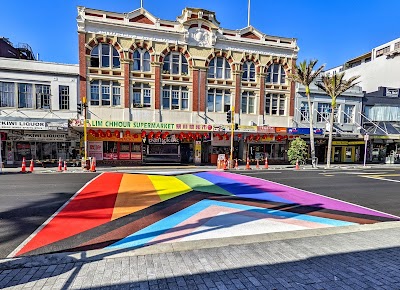
Karangahape Road (K' Road)
For Creatives, budget travelers, and nightlife seekers. The trade-off is that some pockets can feel rough or chaotic late at night.
A bohemian, gritty, and artistic ridge-top street known for its vintage clothing stores, record shops, diverse eateries, and nightlife.
Where to stay — Budget-friendly hostels, quirky apartments, and mid-range independent hotels.
04
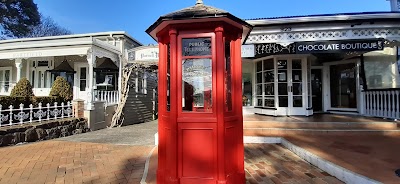
Parnell
For History buffs, art collectors, and older travelers seeking a quieter pace. The trade-off is that it can feel sleepy in the evenings.
One of the city's oldest suburbs, characterized by historic Victorian architecture, quiet rose gardens, upscale galleries, and French-style markets.
Where to stay — Classic heritage hotels, quiet motels, and upscale serviced apartments.
05
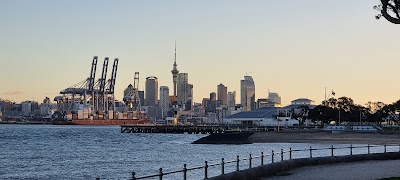
Devonport
For Families, couples, and those seeking a relaxed coastal escape. The trade-off is the reliance on ferry timetables to access the CBD.
A historic seaside village located a short ferry ride across the harbor, defined by wooden villas, quiet beaches, and volcanic vantage points.
Where to stay — Historic waterfront bed-and-breakfasts and seaside holiday rentals.
06
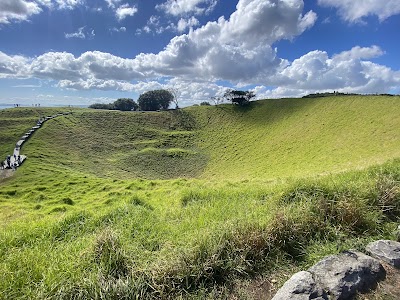
Mount Eden (Maungawhau)
For Nature lovers, hikers, and families. The trade-off is that it is located inland, away from the harbor views.
A leafy, established suburb centered around a massive dormant volcanic cone, featuring a quiet village center with cafes and theaters.
Where to stay — Mid-range suburban hotels, family-run guesthouses, and residential rentals.
07
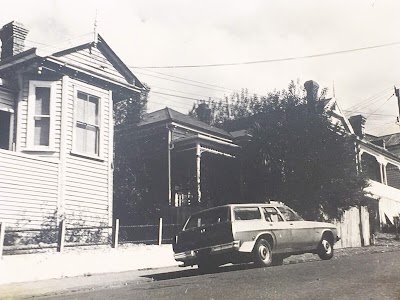
Grey Lynn
For Independent travelers looking for a local, community-focused vibe. The trade-off is the lack of traditional hotels.
A creative, residential neighborhood adjacent to Ponsonby, filled with wide streets, wooden villas, organic food co-ops, and leafy parks.
Where to stay — Residential home-shares, private apartments, and boutique eco-lodges.
08
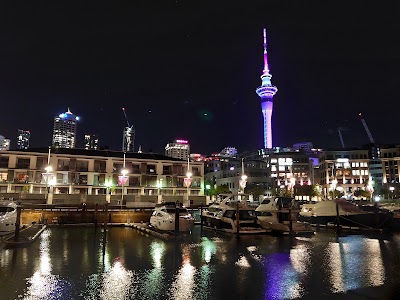
Viaduct Harbour
For Business travelers and those who want to be close to the water and nightlife. The trade-off is that it can feel touristy and corporate.
A modern, commercial waterfront precinct filled with superyachts, upscale apartment complexes, and lively bars.
Where to stay — Five-star luxury waterfront hotels and high-end serviced apartments.
09
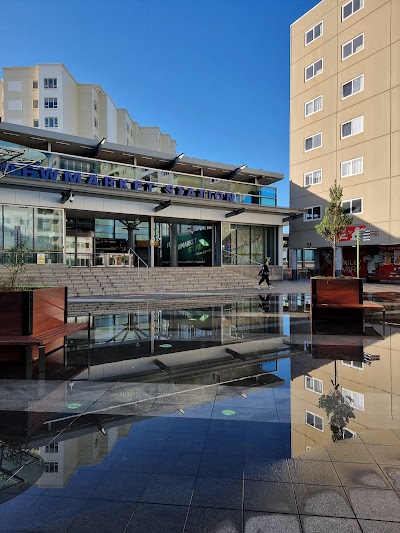
Newmarket
For Serious shoppers and business travelers. The trade-off is the lack of historic character and scenic natural spaces.
A busy commercial and retail hub known as the fashion capital of the city, dominated by high-end shopping malls and designer boutiques.
Where to stay — Modern business hotels and sleek, self-catering apartments.
Book direct
Book a hotel in Auckland
Loading live availability and real-time prices…
Where to eat
Dining
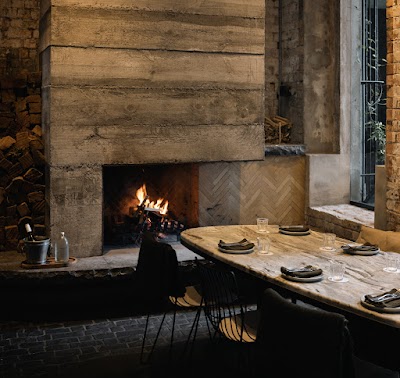
Kingi
€€€Britomart
Focuses entirely on sustainably caught, wild-harvested seafood sourced from local independent fishers.
Signature — Pan-roasted blue cod with butter sauce

Depot Eatery
€€CBD
A fast-paced, rustic raw bar run by renowned chef Al Brown, serving exceptionally fresh shellfish.
Signature — Freshly shucked Orongo Bay oysters
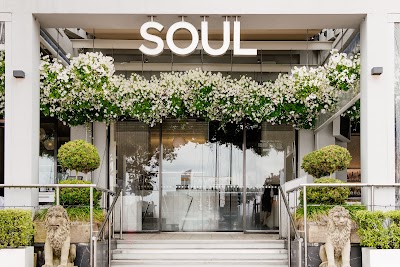
Soul Bar & Bistro
€€€Viaduct Harbour
An established waterfront institution offering prime harbor views and refined seafood dishes.
Signature — Scampi pasta with garlic and chili
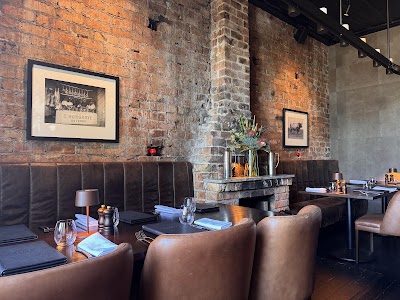
Jervois Steak House
€€€€Ponsonby
A classic, dark-wood steakhouse specializing in premium, traceable cuts of local beef and lamb.
Signature — Wakanui grain-fed scotch fillet
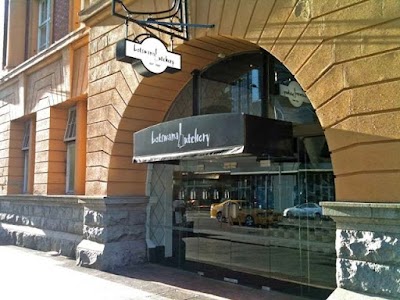
Botswana Butchery
€€€€Ferry Building
Combines a historic waterfront setting with an extensive, high-end meat menu sourced from the South Island.
Signature — Slow-roasted lamb shoulder with rosemary
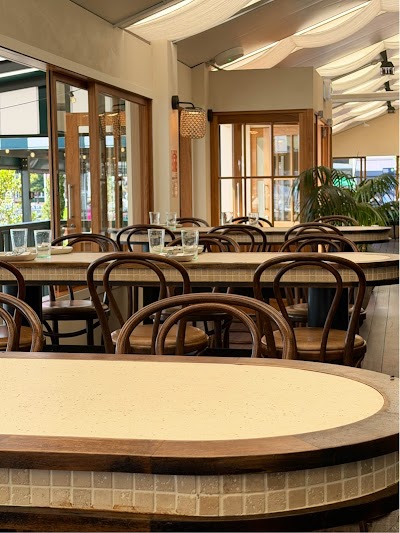
Bivacco
€€€Viaduct Harbour
A lively Italian-inspired eatery featuring an open wood-fired grill right on the water's edge.
Signature — Wood-fired T-bone steak with salsa verde
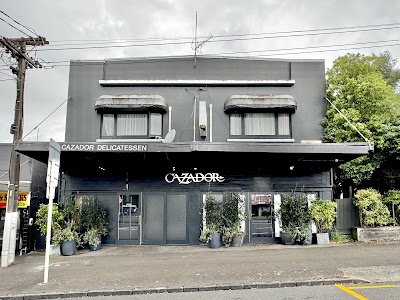
Cazador
€€€Balmoral
A family-run restaurant specializing in wild, hand-gathered game, house-cured charcuterie, and sustainable hunting ethics.
Signature — Pheasant pate with house sourdough
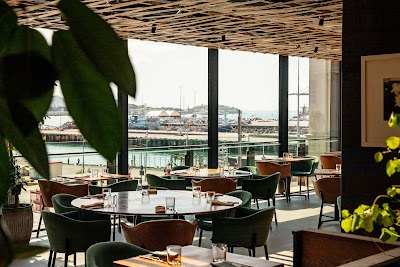
Ahi
€€€€Commercial Bay
Chef Ben Bayly's love letter to New Zealand food, utilizing indigenous ingredients and local produce.
Signature — Scampi corndog with native herbs
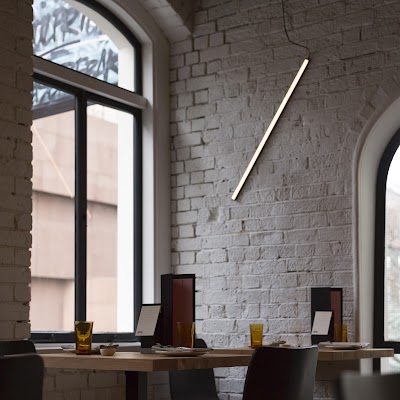
Culprit
€€€CBD
Serves creative, modern New Zealand tapas delivered via trolley service, mimicking a dim sum style.
Signature — Duck fat roasted potatoes with seasonal bites
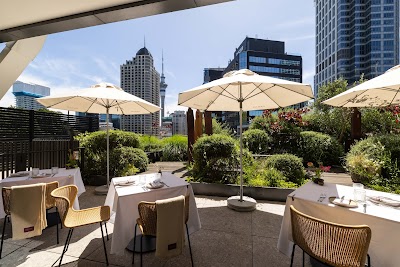
Onslow
€€€€CBD
A refined, elegant space by chef Josh Emett that celebrates classic, slow-cooked dishes and premium local ingredients.
Signature — Fiordland crayfish éclair
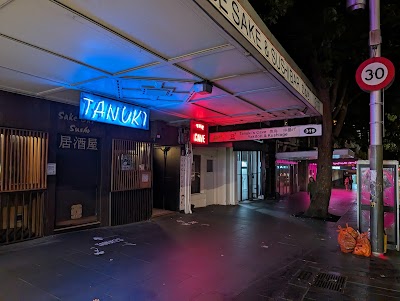
Tanuki's Cave
€€CBD
A lively, subterranean yakitori bar serving skewered meats and deep-fried snacks beneath a theater.
Signature — Deep-fried soft-boiled egg wrapped in seaweed
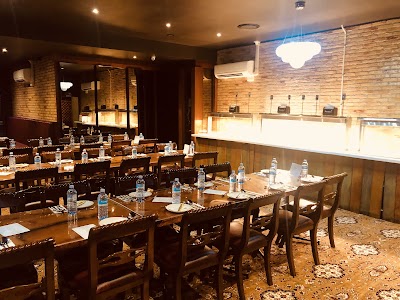
Paradise Indian Food
€Sandringham
An absolute institution for authentic, Mughlai-style Indian cuisine, always packed with locals.
Signature — Paradise special chicken biryani
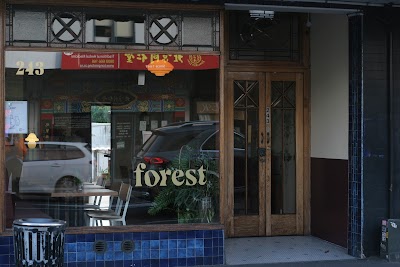
Forest
€€€K' Road
An experimental, zero-waste restaurant that elevates local plants, weeds, and ferments into fine art.
Signature — Fermented pumpkin with native herbs

East
€€CBD
Located in the Sudima Hotel, this stylish spot serves modern, 100% vegetarian Asian street food.
Signature — Peking jackfruit pancakes
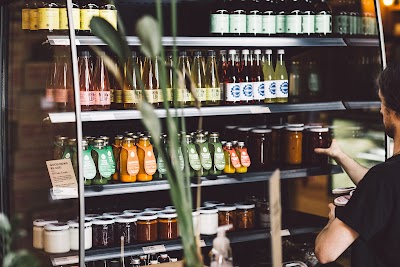
Little Bird Kitchen
€€Ponsonby
The pioneer of the local raw, organic, and plant-based food movement, serving nutrient-dense meals.
Signature — Raw taco plate with cashew sour cream
After dark
Nightlife
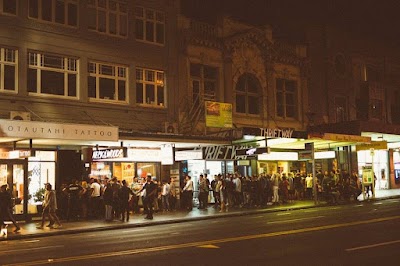
Neck of the Woods
K' Road
A multi-genre venue hosting local and international DJs, hip-hop acts, and bass music producers.
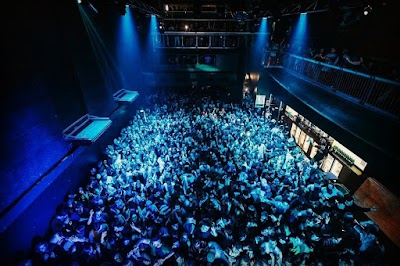
Studio The Venue
K' Road
A large-scale historic venue that hosts major touring electronic acts and international club nights.
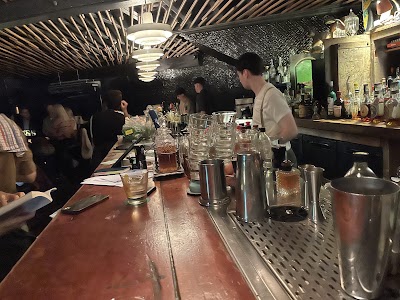
Caretaker
Britomart
A New York-style speakeasy where bartenders mix bespoke drinks based on your personal flavor preferences.
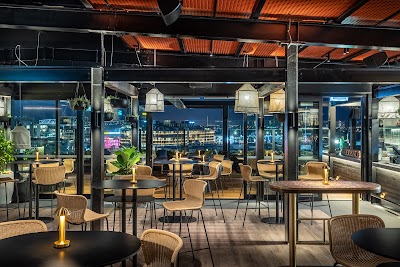
Rooftop at QT
Viaduct Harbour
An elevated, stylish bar offering panoramic views of the harbor and a creative, spirits-focused menu.
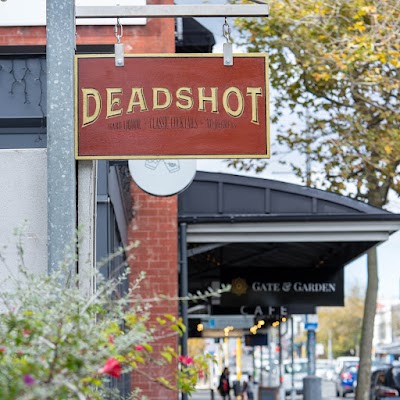
Deadshot
Ponsonby
A dark, vintage-inspired cocktail lounge focusing on classic, pre-prohibition style drinks.

Whammy Bar
K' Road
An underground basement venue that serves as the spiritual home of the city's indie, punk, and alternative music scenes.

Powerstation
Mount Eden
A legendary, multi-level music hall that has hosted major domestic and international rock and indie acts for decades.
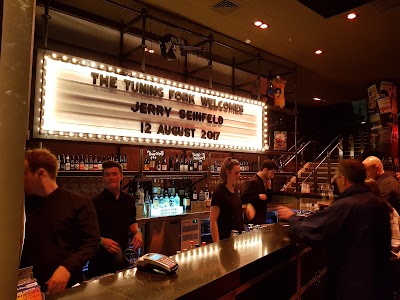
The Tuning Fork
CBD
An intimate, theater-style venue adjacent to Spark Arena, hosting folk, country, and indie artists.
Art & history
Culture
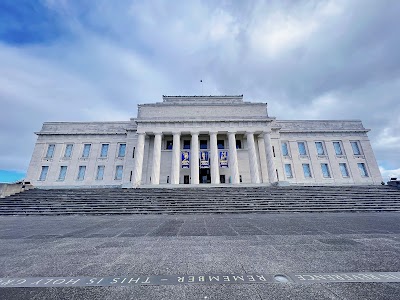
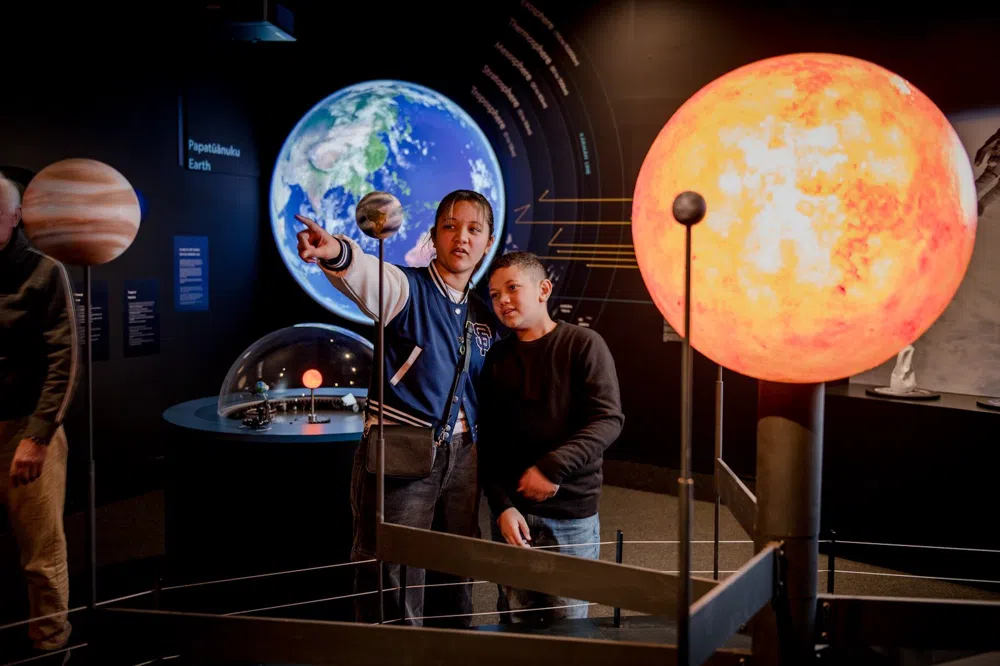
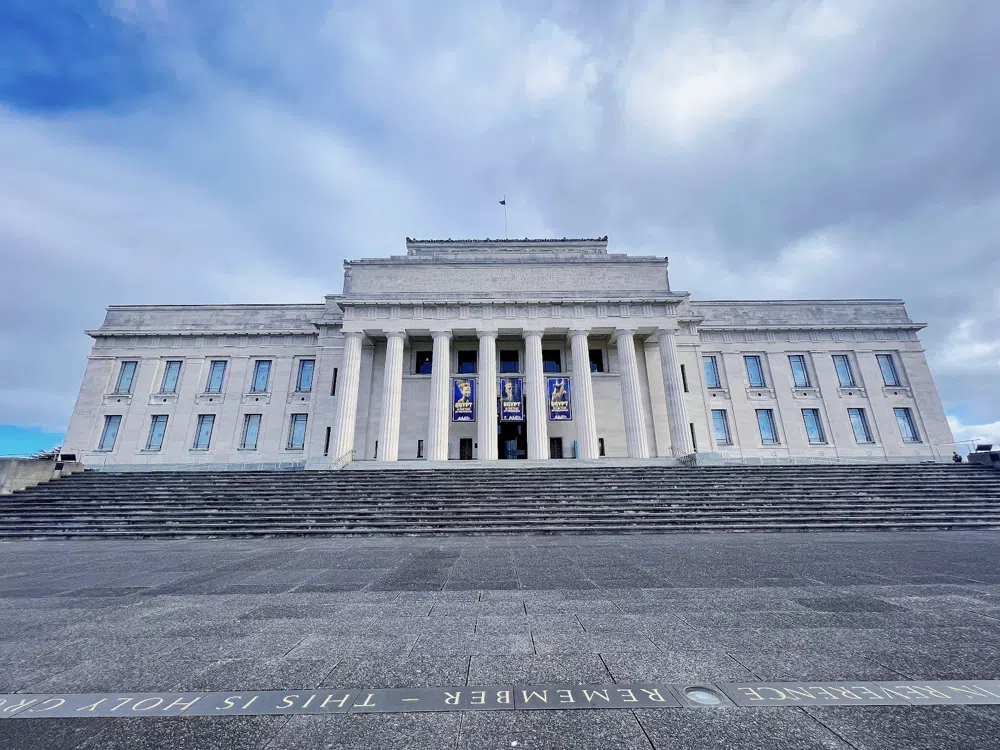
Auckland War Memorial Museum
Parnell / Auckland Domain
Houses one of the world's most significant collections of Māori and Pacific treasures (taonga), alongside military history exhibits.
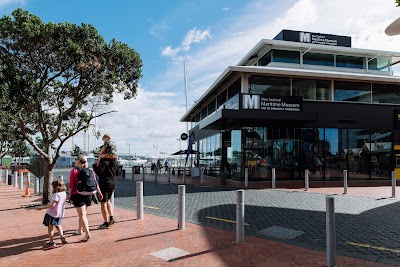
New Zealand Maritime Museum
Viaduct Harbour
Explores the nation's rich seafaring history, from early Polynesian voyagers to modern America's Cup yachting triumphs.
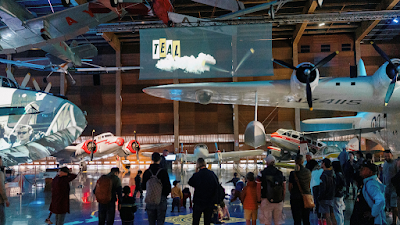
MOTAT (Museum of Transport and Technology)
Western Springs
A sprawling museum dedicated to the history of transport, aviation, and technological innovation in New Zealand.
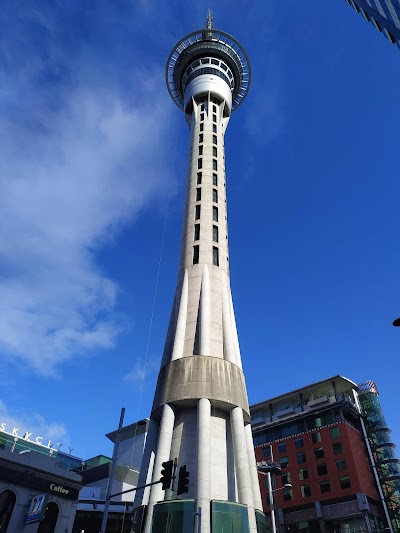
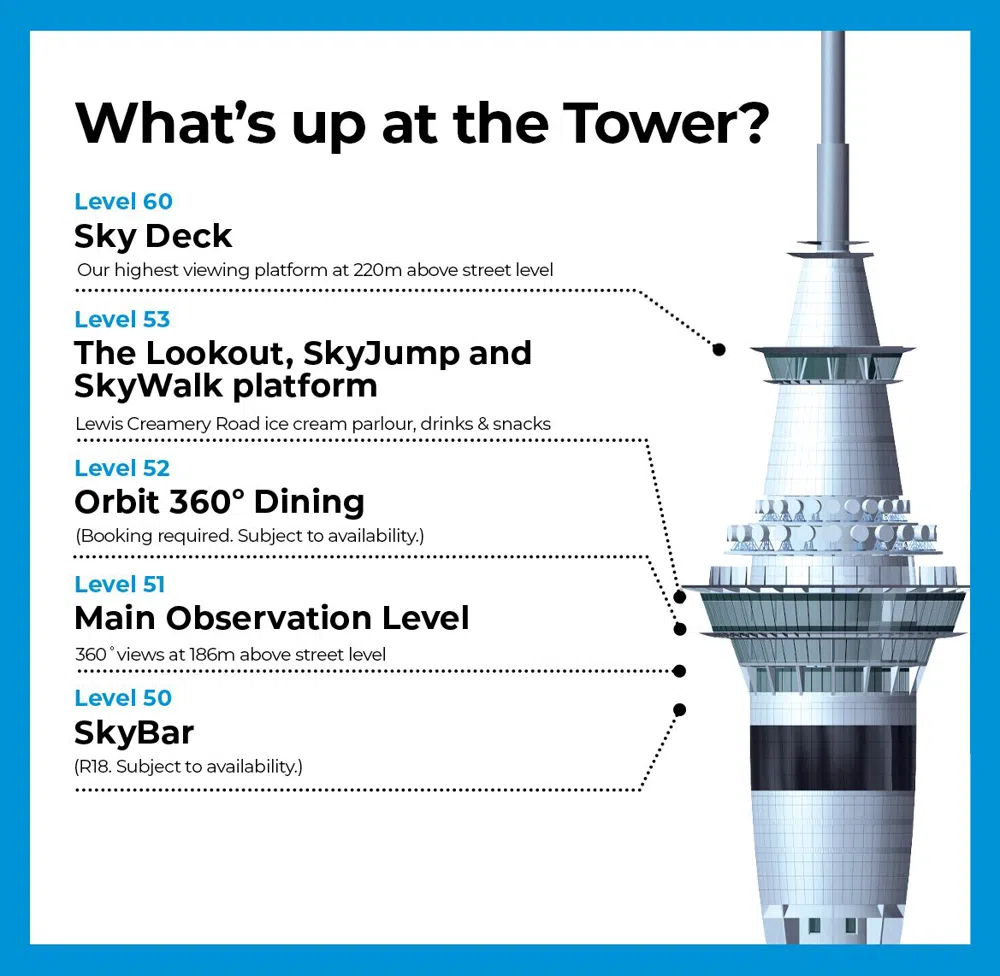
Sky Tower
CBD
The tallest free-standing structure in the Southern Hemisphere, offering 360-degree views of the entire region.
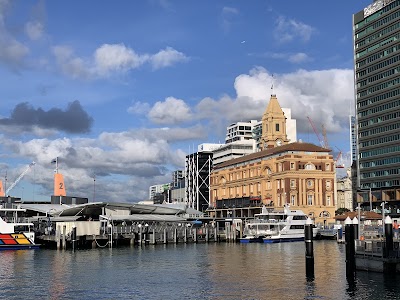
Auckland Ferry Building
CBD
A striking Edwardian Baroque building completed in 1912, serving as the historic gateway to the harbor.
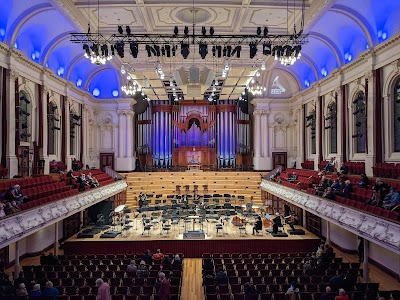
Auckland Town Hall
CBD
A historic neo-Baroque building opened in 1911, famous for having some of the finest acoustics in the Southern Hemisphere.
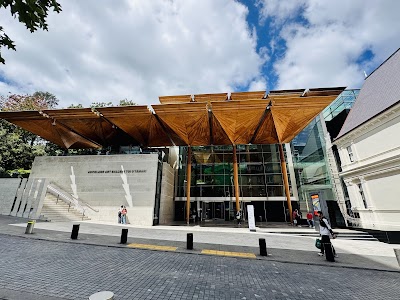
Auckland Art Gallery Toi o Tāmaki
CBD
The country's premier public gallery, housing over 15,000 works spanning historic Māori portraits to contemporary international art.
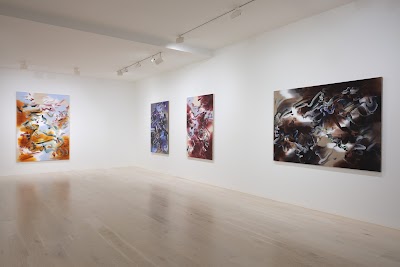
Gow Langsford Gallery
CBD
One of the country's most influential commercial galleries, representing major local and international contemporary artists.
Book ahead
Top-rated experiences in Auckland

Auckland Volcano - Motukorea / Browns Island Sea Kayak Tour
from $118

Premium Private Transfer From Auckland City To Auckland Airport
from $67

2 Day Tour Auckland to Hobbiton, Waitomo, Rotorua and Taupo
from $550

Hobbiton Movie Set & Waitomo Caves Small Group Tour From Auckland
from $227

Private Luxury Airport Transfers in Auckland – Sedans & Vans
from $115

Full-Day Auckland Discovery
from $175

Private Auckland City Tour For Small Group in a luxury vehicle.
from $696

Auckland to Rotorua via Hobbiton & Waitomo 1-Way Small Group Tour
from $272
Prices from Viator; we may earn a commission when you book — at no extra cost to you. Tours are sold and operated by Viator, the merchant of record. Ratings are collected by Viator and Tripadvisor.
Timing
When to visit
Summer (December to February)
Warm, humid, and ideal for beach trips and island ferries. This is peak tourist season, so expect higher accommodation rates and busy coastal trails.
Autumn (March to May)
Settled weather with cooler evenings. Excellent for visiting the vineyards on Waiheke Island during the grape harvest, with fewer crowds in the city center.
Winter (June to August)
Cool, wet, and windy. While outdoor activities are limited, this is the best time for indoor cultural events, theater, and dining by open fires.
Spring (September to November)
Highly unpredictable weather with frequent rain showers. However, the regional parks are exceptionally green, and the city's gardens are in full bloom.
What it costs
Budgeting
Logistics
Getting around
From the airport
The SkyDrive bus service runs regularly between Auckland Airport and the SkyCity transit hub in the CBD. Alternatively, rideshares and taxis are readily available outside both terminals, taking approximately thirty to forty minutes depending on traffic.
Public transit
The public transit network consists of trains, buses, and ferries, all managed by Auckland Transport. Ferries are the most scenic and efficient way to reach coastal suburbs like Devonport and the islands of the Hauraki Gulf.
Passes & tickets
The AT Hop card is a reusable smart card that provides discounted fares across all buses, trains, and ferries. It costs a small one-off fee (around €5) and can be topped up online or at station ticket machines.
On foot
The central business district is highly walkable but exceptionally steep in places. Exploring outer neighborhoods like Ponsonby or Parnell requires navigating hilly terrain, while reaching the wider suburbs necessitates public transit or a vehicle.
Travel smart
Safety & etiquette
Local etiquette
- •Respect Māori cultural sites; do not step into or climb on sacred volcanic craters (which are considered tapu, or sacred).
- •Do not tip at restaurants, bars, or in taxis; it is not expected and can sometimes cause confusion.
- •Always apply high-SPF sunscreen, even on cloudy days, as the UV index in New Zealand is exceptionally high.
From the ground
Practical tips
1
Buy an AT Hop card immediately at the airport or train station to save up to 50% on public transit fares.
2
Check the Safeswim website before heading to local beaches, as heavy rain can occasionally affect water quality.
3
Pack layers and a windproof jacket; the maritime climate means weather can shift rapidly within a single afternoon.
4
Make restaurant reservations weeks in advance for high-end spots in Britomart and Ponsonby, especially for weekend dining.
5
Download the Auckland Transport (AT) Mobile app to track real-time bus and train schedules, which can be irregular.
6
If renting a car, remember that New Zealanders drive on the left side of the road and roundabouts are highly common.
Auckland FAQs
Do I need to tip in Auckland?
No, tipping is not part of New Zealand culture and is not expected at any dining or drinking establishment.
How do I get to Waiheke Island?
Take the regular passenger ferry from the Downtown Ferry Terminal, which takes approximately forty minutes.
Is the tap water safe to drink?
Yes, tap water throughout the city is highly treated and completely safe to drink.
What is a flat white?
It is a popular local espresso-based coffee style served with velvety microfoam, stronger and less frothy than a latte.
Can I swim in the harbor?
You should swim at designated beaches like Mission Bay or Cheltenham; avoid swimming in the commercial harbor areas.