The Auckland issue
The City of Sails: Auckland's Love Affair with the Water
One in three households owns a boat, two harbours frame the streets, and the Hauraki Gulf waits beyond — a grounded guide to reading Auckland the way Aucklanders do, by the water.

By Tomás FerreiraAuckland by cone, coast and neighbourhood
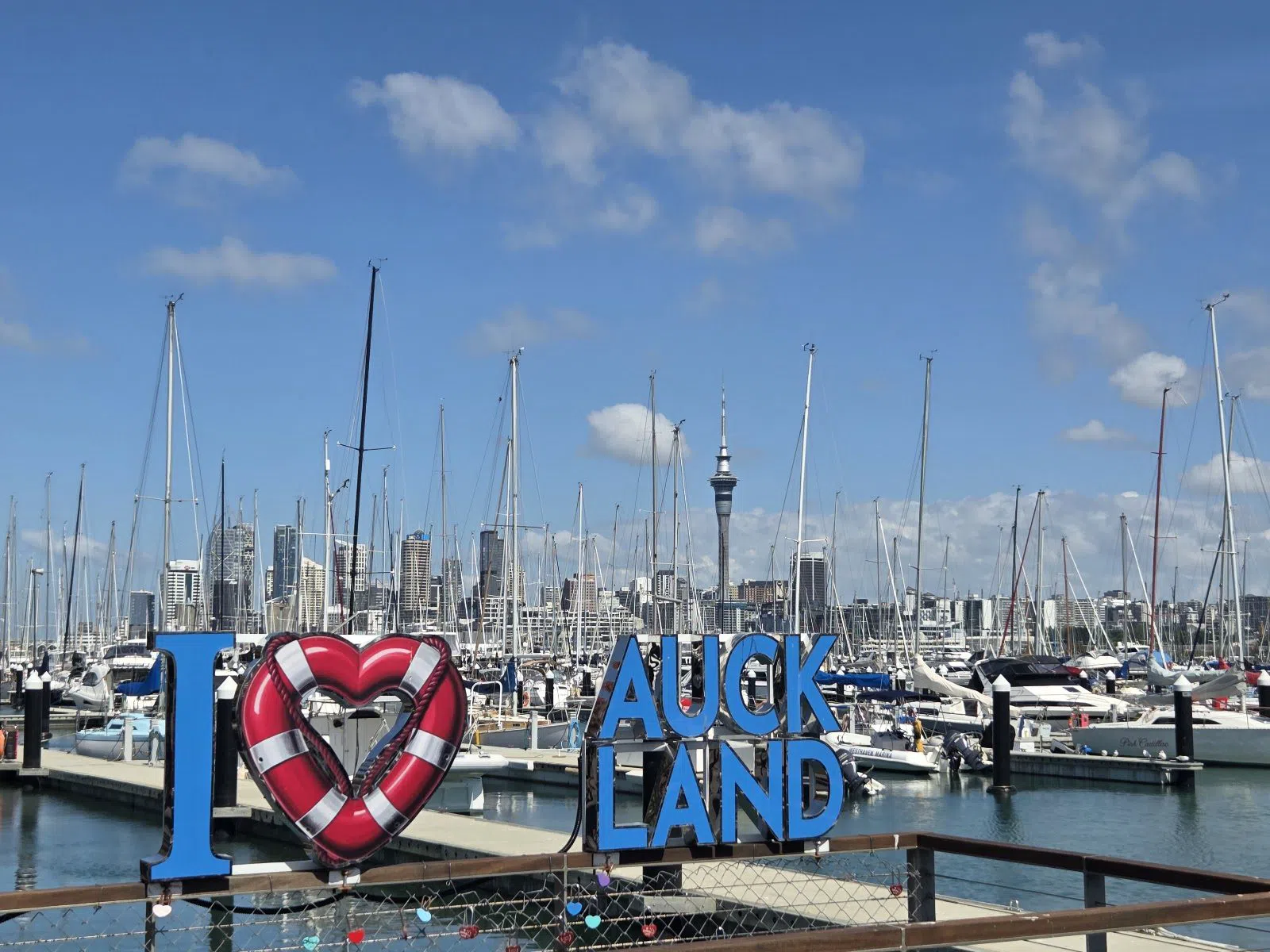
Ask an Aucklander for directions and, sooner or later, they will point at the sea. The city is wedged between two harbours — the Waitematā to the north and the Manukau to the south — and past the sheltered water the Hauraki Gulf opens out with more than fifty islands scattered across it. Turn toward the water and you know where you are; that instinct, more than any street grid, is how the place is navigated, and it is the thread that runs through everything below.
The statistic locals repeat is that one in three households owns a boat. Whether that figure is exact or fondly rounded up, the marinas, the ferry queues and the Tuesday-night race fleets make the underlying truth hard to argue with. This guide follows the maritime story in the order it actually unfolded — from the ocean voyagers who arrived first, through the racing culture that rebuilt the downtown waterfront, out to the everyday commuter runs and finally into the Gulf itself. Along the way I have been honest about which places reward a couple and which are built for a group, and about what each one really costs.
The story that arrives by sea
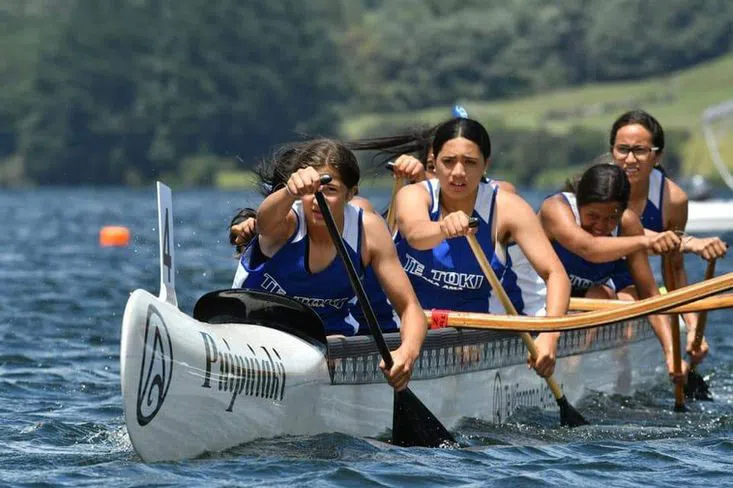
Start with the deep history, because Auckland's relationship with the water did not begin with yachts. Centuries before any European sail crossed the horizon, Polynesian navigators reached these shores by reading stars, swells and birds, and that knowledge is still carried forward today by Te Toki Voyaging Trust (based at Ōkahu Bay, on the eastern harbour edge). The trust sails the double-hulled waka hourua Haunui, and this is no dockside display: passengers are put to work, learning to trim and steer as crew rather than watch as tourists. Day sails take up to twenty-five people and overnight voyages up to twelve, which makes it workable for a group who want a shared, hands-on morning; prices vary by voyage, so enquire directly rather than expecting a fixed ticket. It suits the curious and the reasonably able-bodied more than the merely comfort-seeking — you will get wet, and that is the point.
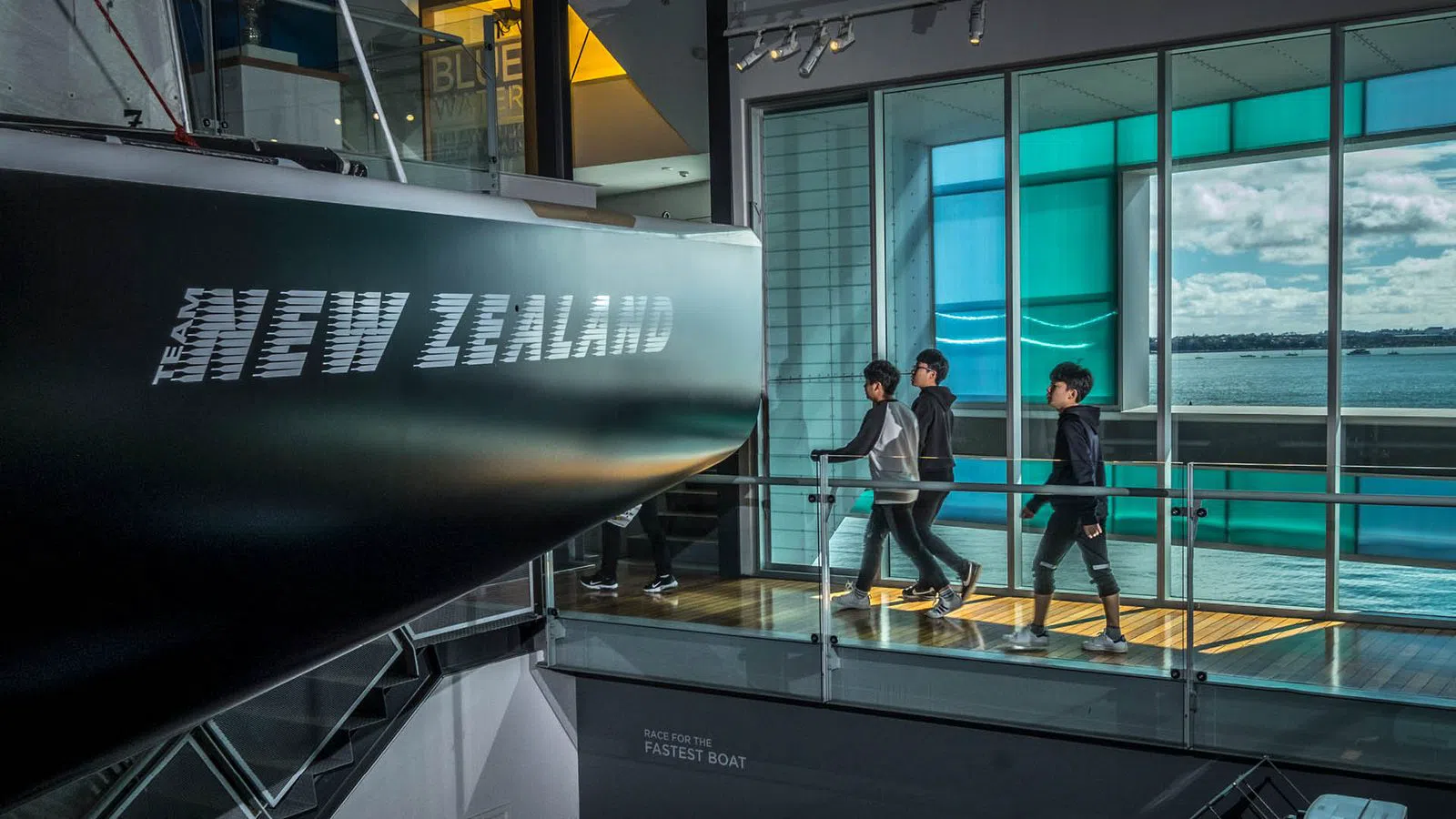
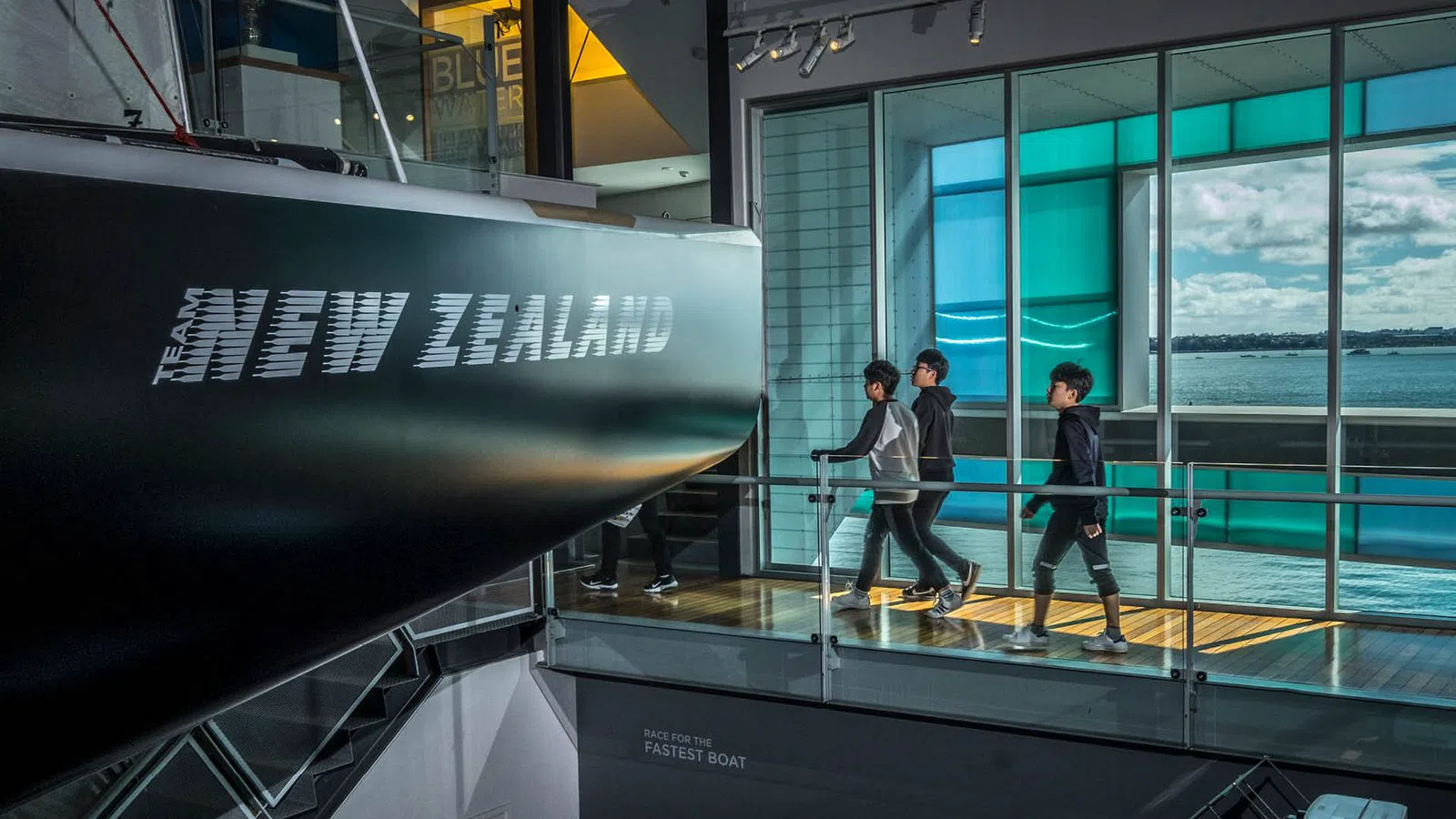
For the wider chronology, the anchor is the New Zealand Maritime Museum — Hui Te Ananui a Tangaroa (on Hobson Wharf, at the edge of the Viaduct). Its Māori name translates as 'the dwelling of Tangaroa', the atua of the sea, and the collection moves from those first ocean crossings through colonial shipping, immigration and the racing yachts that made the city's name. Adult entry is around NZD 24, group rates and guided tours are bookable in advance, and — crucially — the museum runs heritage sailings on the Waitematā aboard restored vessels, an extra cost but the most direct way to trade the display cases for the actual harbour. It is open daily except Christmas Day. A couple can drift through in an hour; a group is better served booking a guide, who will pull the threads together far faster than the wall text.
Plan your Auckland trip
Live prices from our booking partners.
Free cancellation on many rooms. We may earn a commission when you book.
Where the racing culture lives
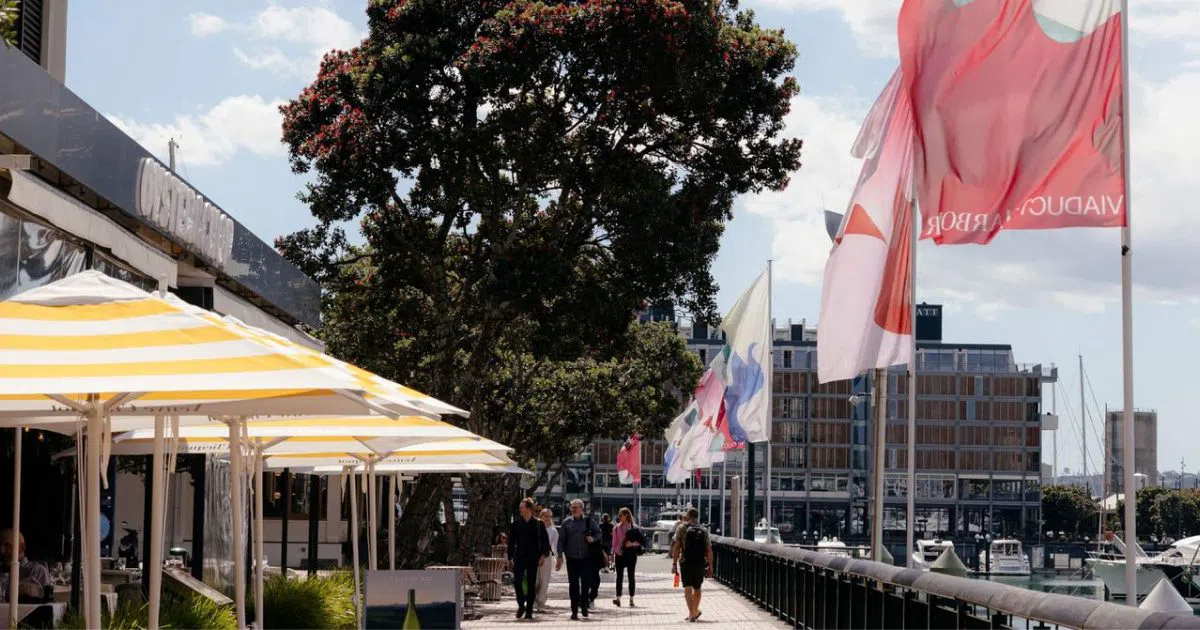
Auckland earned the 'City of Sails' name honestly, and nowhere is that more visible than the precinct the America's Cup rebuilt. Viaduct Harbour (downtown, a few minutes' walk from the ferry terminal) was reshaped around the regattas into a basin of thirty-plus bars and eateries, with superyachts moored close enough to read their home ports. It is where the racing culture spills ashore, and it is the natural base for a maritime day: most venues handle groups happily, prices run from moderate to steep, and the water is always the view. Couples will find quieter corners at the fringes; larger parties should book ahead on summer weekends, when the whole precinct fills.
To feel why the name stuck rather than just read about it, the Explore Group — America's Cup Sailing Experience (kiosk in the Viaduct, opposite the Maritime Museum) puts visitors aboard an actual former Cup racing yacht and, genuinely, on the helm and the grinding pedestals. No experience is needed, the crew do the seamanship that matters, and at roughly NZD 200 per person for two hours it is the priciest single activity here — but it is also the most honest answer to the question of what all the fuss is about. Whole-boat charters make it a strong option for a corporate group or a stag party wanting something more memorable than a bar. Two people can simply join a scheduled sailing.
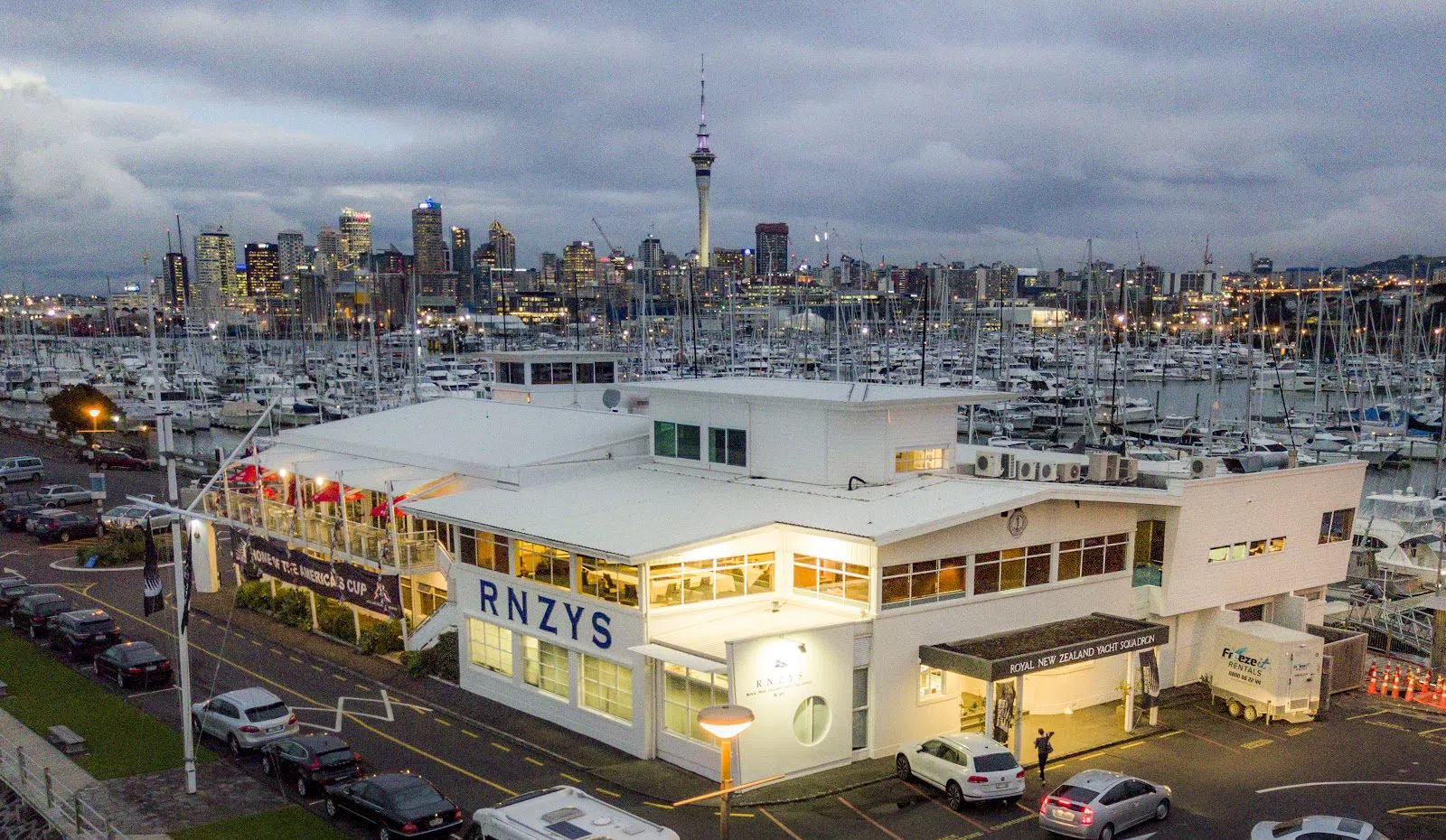
The institution behind much of the racing heritage is the Royal New Zealand Yacht Squadron (at Westhaven, on the harbour's western shoulder). This is the club that has held the America's Cup, and it is more approachable than 'Royal' suggests: its MRX yachts host the public and corporate crews in the Tuesday-night MRX Sprint Series, the twilight racing that is the beating heart of the weekend sailing culture. Crewing and race experiences vary in price and format, and the clubhouse dining is moderate and open to visitors. Book crewing ahead, dress tidily for the clubhouse, and understand that the racing is real — you will be given a job, not a seat.
For the opposite end of the same culture, cross to the Ponsonby Cruising Club (on the Westhaven waterfront below Ponsonby). At 125 years old it remains defiantly unpretentious, still throwing its doors open for the Thursday Rum Races, which are genuinely open to all comers. There is a bar, café and bar meals at accessible prices, plus three hireable function rooms for groups. This is the everyday sailing community rather than a members-only fortress — the place to understand that in this city sailing is a Thursday-evening habit, not an elite pursuit. It suits a relaxed group or a solo visitor happy to fall into conversation.
The everyday harbour
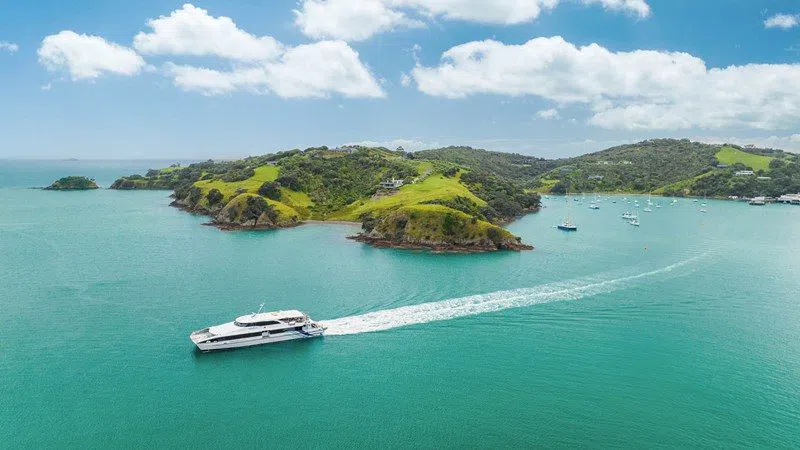
Strip away the racing and the working city still moves by water. The plainest expression of it is Fullers360 (departing the downtown ferry terminal), the operator whose Devonport commuter run is where Aucklanders read the morning paper over the Waitematā. It needs no booking and absorbs large groups on frequent sailings: the Devonport return is around NZD 15, Waiheke around NZD 55 return. Take the Devonport crossing even without a plan on the far side — twelve minutes each way, the skyline behind you, and the clearest possible sense of a city that treats the harbour as a footpath.
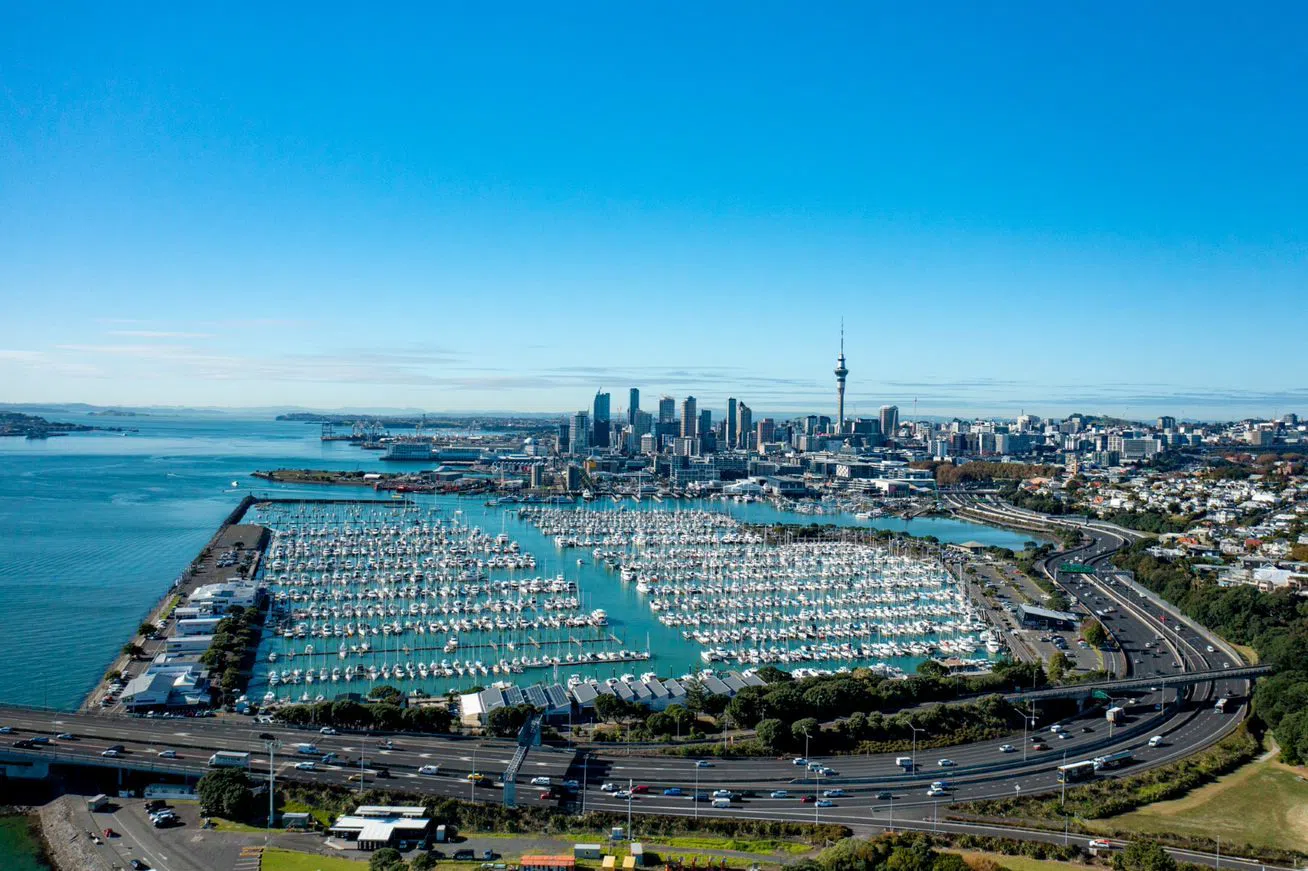
The scale of the private fleet becomes concrete at Westhaven Marina (immediately west of the city centre). It is the largest recreational marina in the Southern Hemisphere, home to more than two thousand boats, four yacht clubs and a charter base — the physical proof behind that one-in-three-households claim. The public promenade is free to walk and makes an unhurried hour at any tide; berthing and charters vary in cost and are arranged directly. It is a landmark to stroll rather than an attraction to queue for, and none the worse for it.
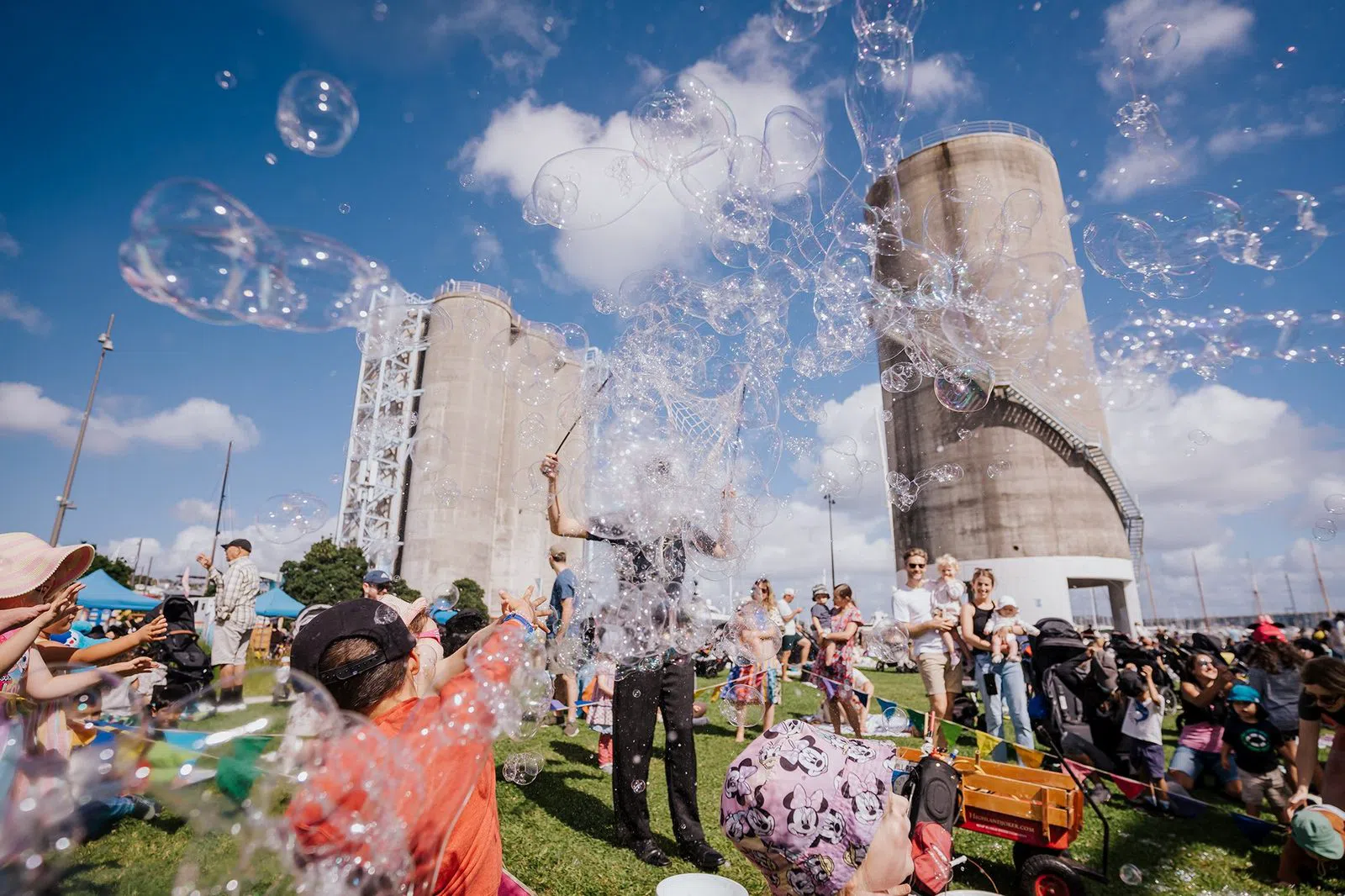
Where the working port has been handed back to the public, you get Silo Park, Wynyard Quarter (on the reclaimed waterfront just west of the Viaduct). The old industrial silos now anchor an open public space that runs more than fifty summer events — weekend night markets and films projected onto the silos among them. Entry is free and only food and market spending is optional, which makes it forgiving for a group of any size or budget. It is at its best on a summer Friday evening; on a wet winter weekday there is less reason to make the trip.
Out into the Gulf
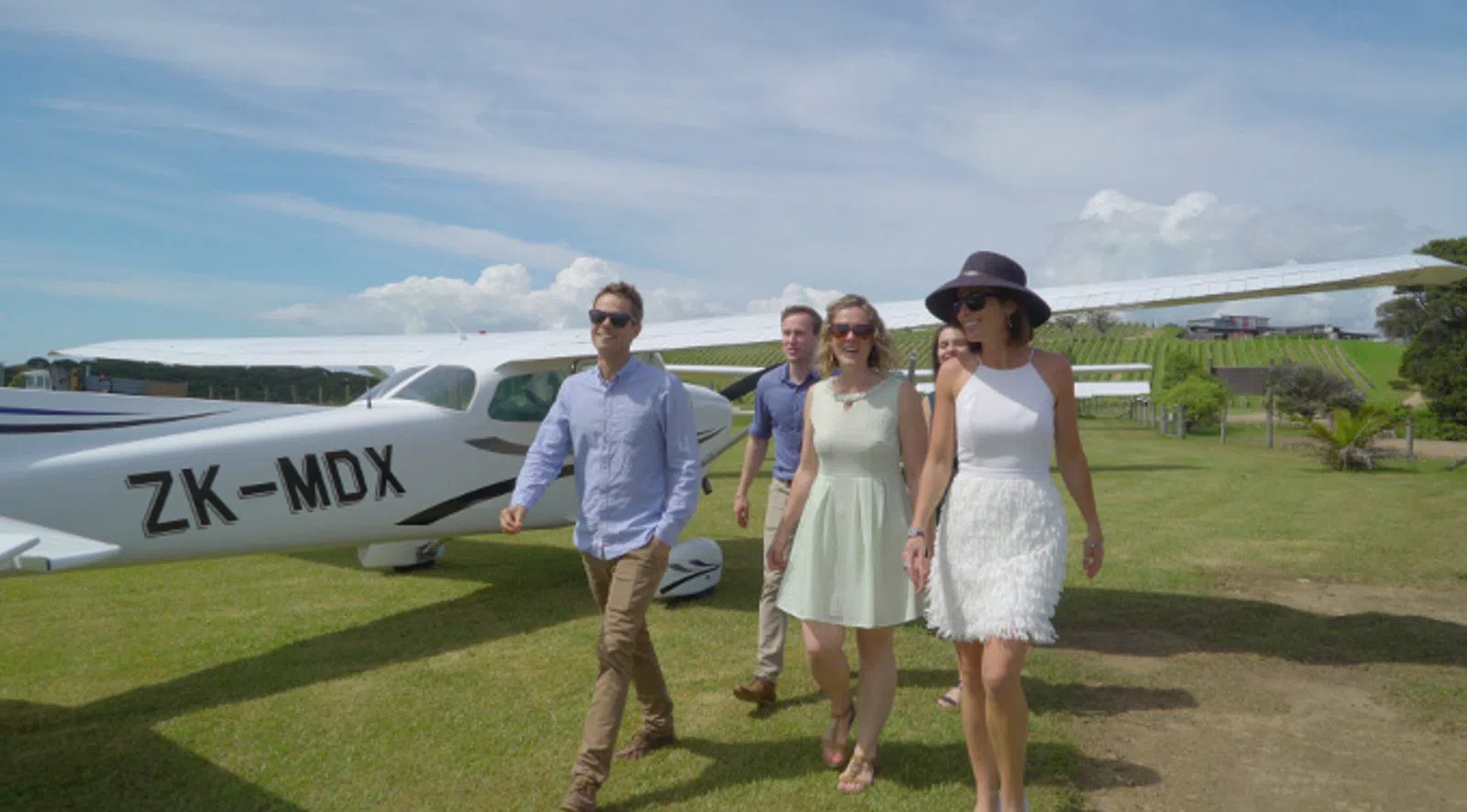
The payoff for a harbour-facing city is the Gulf beyond it, and the most-loved destination out there is Waiheke Island (a 35-minute ferry from downtown). Its thirty-odd wineries, swimming bays and long-lunch culture are built for parties: wine tours, island buses and unhurried restaurants all cater to groups, and the day trades easily from NZD 55-ish for the ferry up to whatever a vineyard lunch runs to. It is the rare island that suits both a couple's slow afternoon and a celebrating group — just settle on wine touring versus beach time before you sail, because the island is bigger than a single day allows.
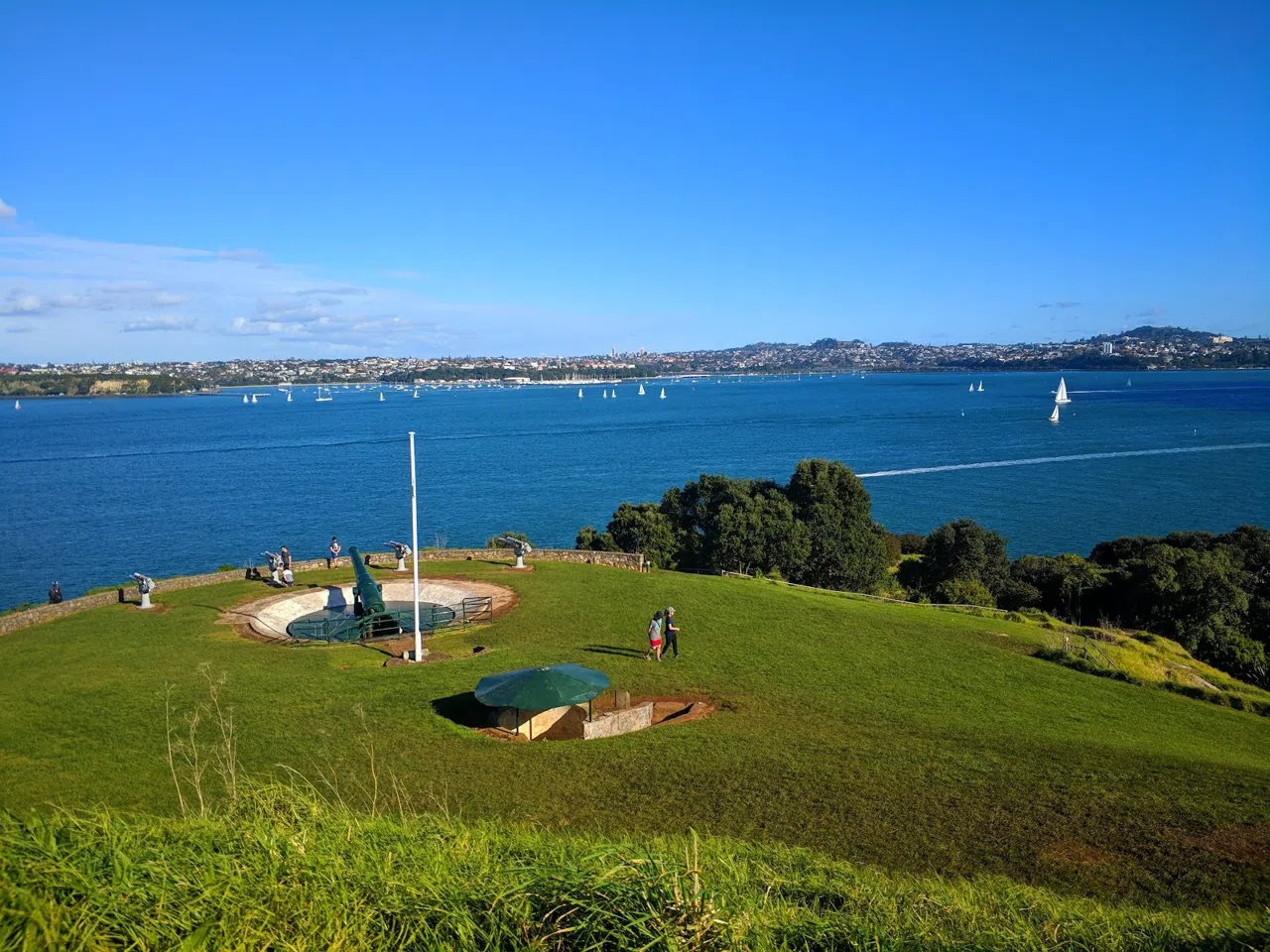
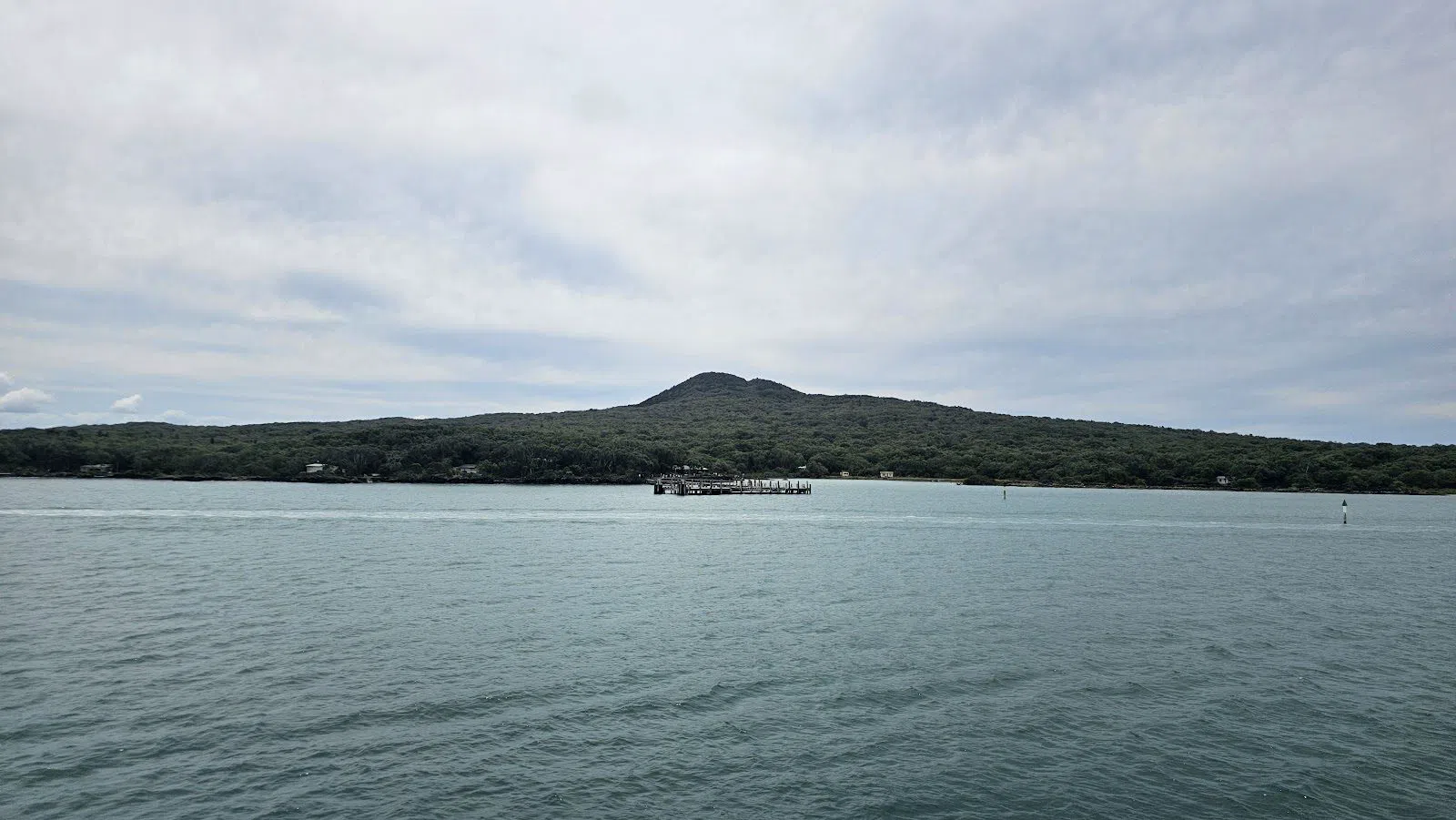
The volcanic cone every Aucklander navigates by is Rangitoto Island (a short ferry hop across the harbour). The summit track is a self-guided walk over old lava fields, and it hands you the panorama that explains the whole 'turn toward the water' habit — the two harbours, the city, the Gulf laid out at once. The island itself is free; the return ferry is around NZD 42, and booking is strongly advised because summer sailings sell out and there is no shop, no water and no shade of consequence on the island. Carry water, wear real shoes, and time the last boat carefully.
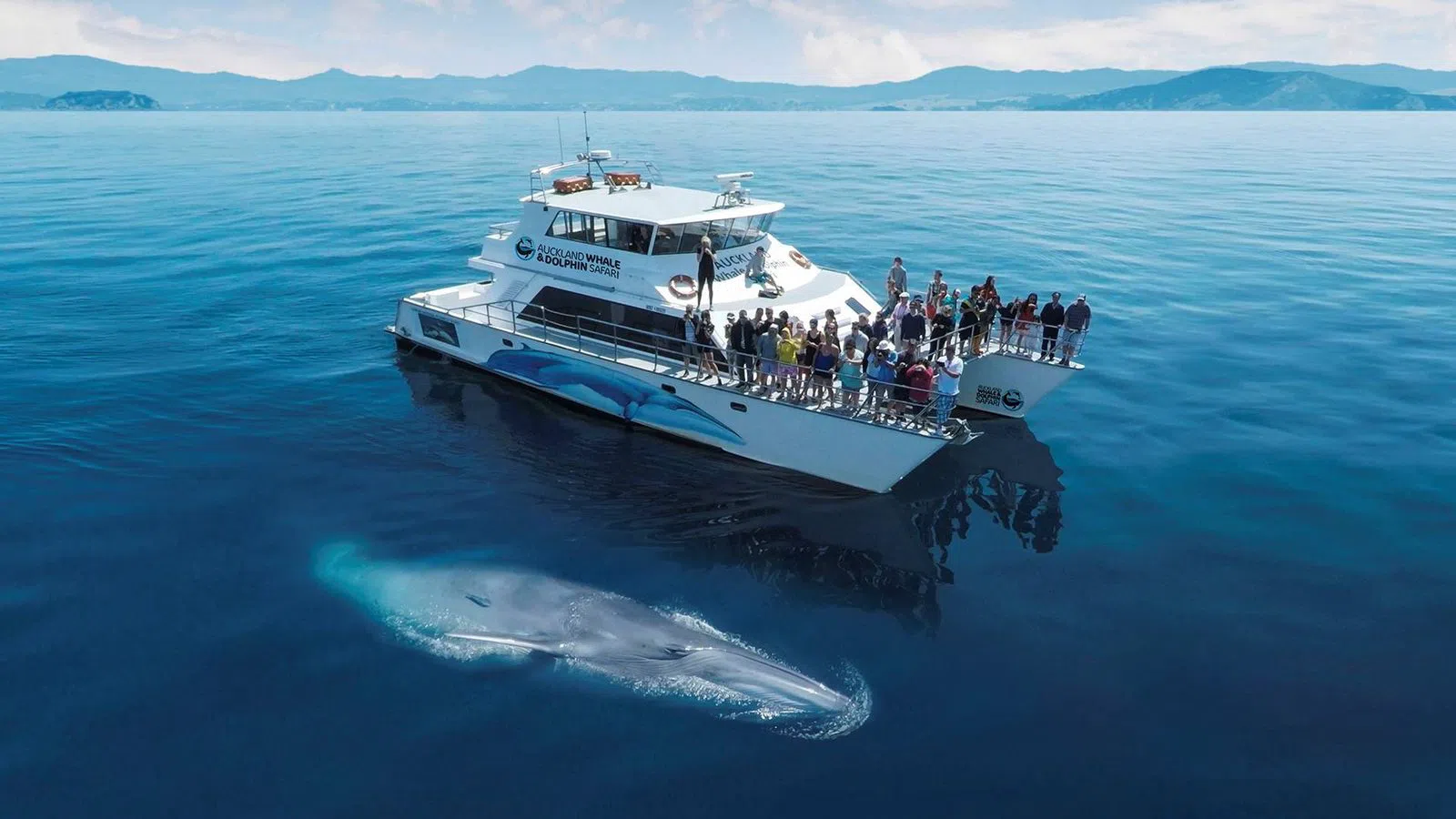
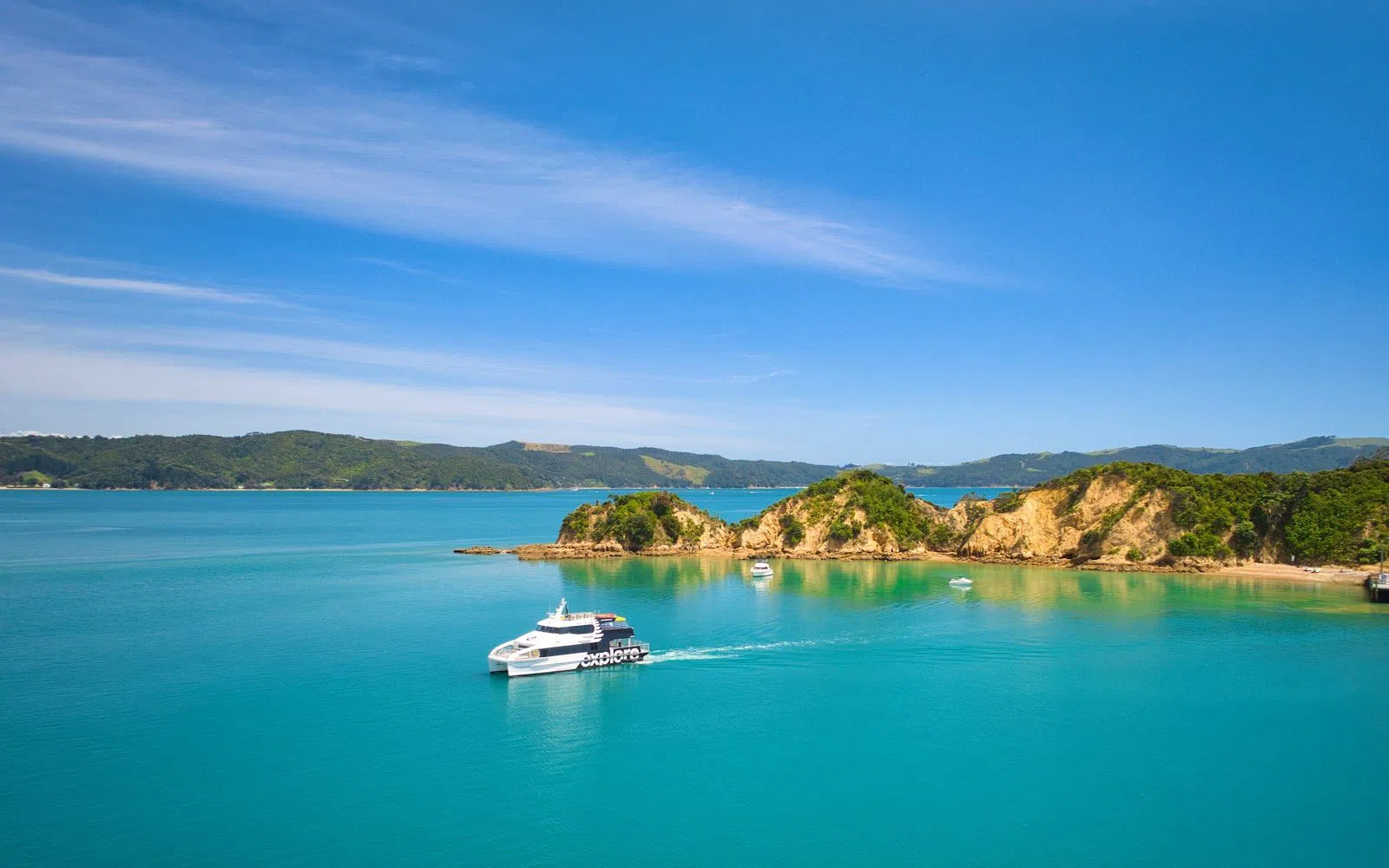
For the living side of the Gulf, the Auckland Whale & Dolphin Safari aboard the Dolphin Explorer (departing the Viaduct Basin) runs a large, stable catamaran that suits big and family groups. At around NZD 175 per adult for four and a half hours it is a real half-day commitment, but Bryde's whales are present year-round and dolphins turn up on more than ninety percent of trips, with a marine-mammal sighting guarantee behind it. This is the ecosystem, not a theme park — sightings are wild and never scripted, so bring patience and a warm layer.
Finally, the defence-and-service layer of the story sits at the Torpedo Bay Navy Museum (on the Devonport waterfront). Entry is free, it is comfortably group- and family-friendly, and it slots neatly onto the end of a Devonport ferry trip — the Royal New Zealand Navy telling its own story a short walk from the wharf. It is the easiest add-on here: no booking, no ticket, and a genuine anchor for an afternoon that started with a twelve-minute crossing.
Practical notes
Getting around. Almost everything in this guide is reachable on foot from the Viaduct and the downtown ferry terminal, or by a short ferry hop. Load an AT HOP card for buses and ferries if you plan more than a couple of trips; Fullers360 sailings are frequent enough that walk-up works for the Devonport and Rangitoto runs, though Waiheke and Rangitoto ferries are worth pre-booking in summer.
Cash and cards. Cards are accepted almost everywhere and contactless is the norm; you rarely need cash. Prices here are in New Zealand dollars — reckon on roughly NZD 15 for the Devonport ferry, NZD 24 for museum entry, and NZD 175–200 for the marquee whale-watching and Cup-sailing experiences.
Timing. Summer runs December to February, when the racing series, the night markets and the island ferries are all at full tilt — and when the popular sailings sell out first. Winter is quieter and often clearer for the Rangitoto summit, but check sailing schedules, which thin out. Any twilight from spring to autumn is the moment to catch the Tuesday and Thursday club racing on the harbour.
Budget. A frugal day — the Devonport ferry, the free Navy museum, a walk through Westhaven and Silo Park — costs little more than the fares. A splurge day built around a Cup sail or a whale safari and a Waiheke lunch will run to a few hundred dollars a head. Most visitors will want one paid-for water experience and let the free waterfront carry the rest.
For where to sleep within walking distance of the ferries and the Viaduct, start with an Auckland hotel search; for the wider city beyond the water, the full Auckland guide covers the rest.
Before you go
Why is Auckland called the City of Sails?
The city sits between two harbours with the Hauraki Gulf and its fifty-plus islands beyond, and locals often say one in three households owns a boat. The marinas, ferry runs and weekly race fleets make sailing an everyday habit rather than an occasional pastime, which is where the name comes from.
Can I actually steer an America's Cup yacht in Auckland?
Yes. The Explore Group America's Cup Sailing Experience, based at a kiosk in the Viaduct opposite the Maritime Museum, puts guests on the helm and grinding pedestals of a former Cup racing yacht. No experience is needed, it costs around NZD 200 per person for two hours, and whole-boat charters are available for groups.
Do I need to book the Auckland ferries in advance?
For the Devonport commuter run with Fullers360 you can simply walk up, and large groups are absorbed easily on frequent sailings. For Waiheke Island and especially Rangitoto Island, booking ahead is wise in summer because sailings sell out.
What is the best free maritime thing to do in Auckland?
Ride the Devonport ferry and pair it with the Torpedo Bay Navy Museum, which is free to enter and a short walk from the wharf. Walking the public promenade at Westhaven Marina and spending an evening at Silo Park in Wynyard Quarter are also free, aside from any food or market spending.
How much does a day on Auckland's water cost?
A frugal day of ferries and free waterfront can cost little more than the fares — around NZD 15 for the Devonport return. A splurge built around a Cup sail (about NZD 200) or a whale safari (about NZD 175) plus a Waiheke lunch will run to a few hundred dollars per person. Prices are in New Zealand dollars.