The Auckland issue
Auckland in Spring Rewards Anyone With a Plan B
How to build an Auckland day between September and November with a wet branch and a dry branch, so a passing squall costs you nothing.

By Tomás FerreiraAuckland by cone, coast and neighbourhood
Spring in Auckland arrives as a sequence rather than a season. A September morning can open flat and grey over the Waitematā, brighten to something close to summer by half past ten, and be pushing rain sideways up Quay Street by two, then clear in time for a long gold evening behind the Waitākeres. Aucklanders do not argue with this; they keep two versions of the afternoon in mind and choose one late.
That is the whole method for a visit between September and November. The mistake is planning the way you would in a stable climate (one thing, one time, no alternative) and then losing three hours to a front that has already moved through by the time you have finished being annoyed about it. Build each day with a wet branch and a dry branch, keep the two within twenty minutes of each other, and the weather stops being an obstacle. What follows is how the city's places behave when the sky turns, which ones hold up in rain, which ones are worth deferring, and how to tell the difference before you have paid for anything.
Start by learning to read the sky
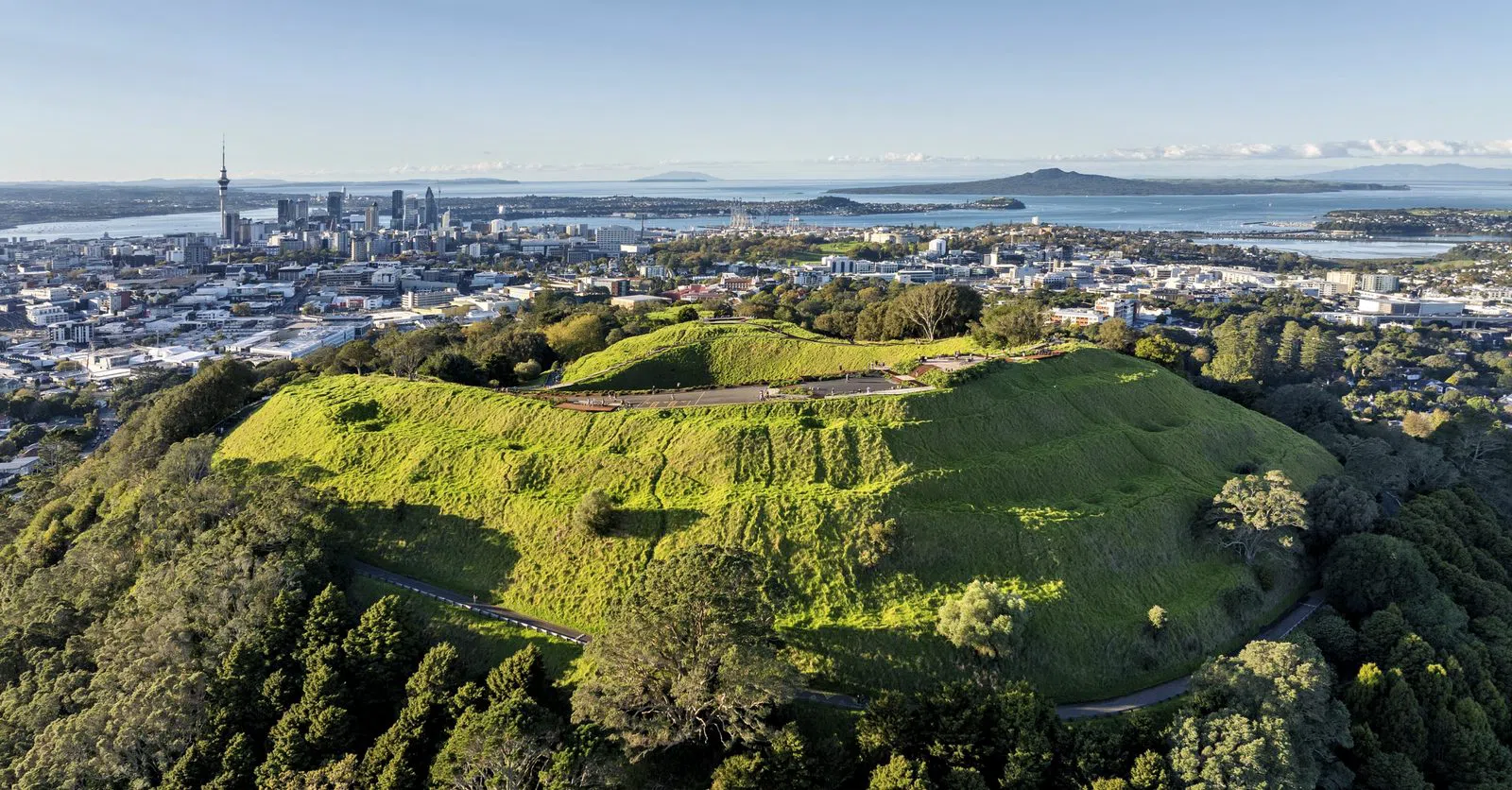
Maungawhau / Mount Eden (Mount Eden, a few kilometres south of the city centre) is the most useful instrument in Auckland. It is the highest of the volcanic cones on the isthmus, and from the crater rim you can see the harbour on both sides of the city and, more to the point, watch the next band of weather assemble over the ranges to the west and begin its move across. Ten minutes of walking gets you there. The summit road has been closed to private vehicles since 2016, so everyone goes up on foot from the visitor carpark, and a paid shuttle runs from Mountain Road for anyone who cannot manage the climb. Gates open at 7am and close at 7pm in winter, 8.30pm in summer. It costs nothing. The crater floor is tapu; stay on the marked path, and treat the whole cone as a place of significance rather than a lookout with a view attached.
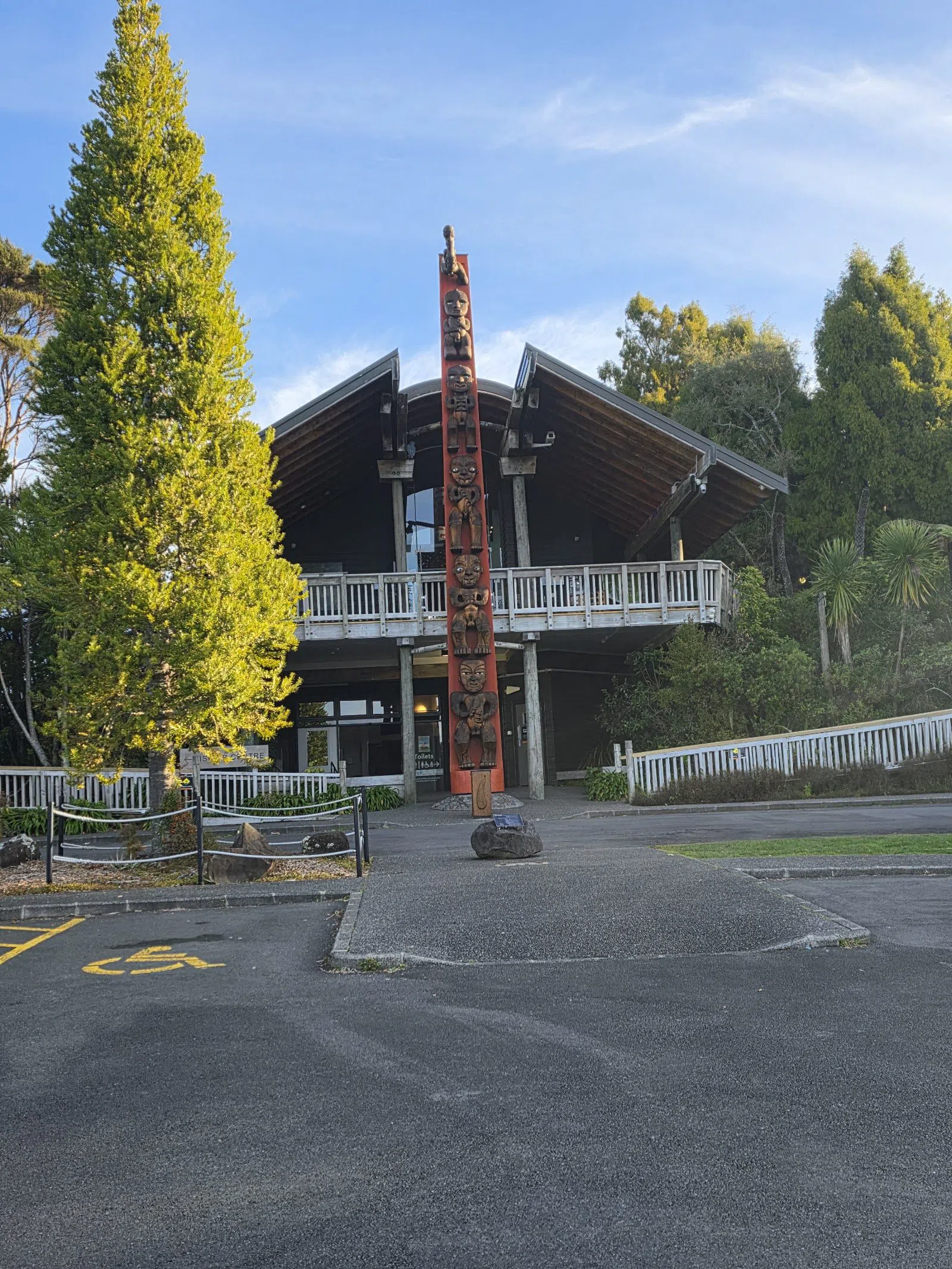
If your plan involves the west coast or any bush walking, the other reading you need is at Arataki Visitor Centre (Titirangi, the gateway to the Waitākere Ranges). Go before the walk rather than after. Kauri dieback controls and storm damage from 2023 still have tracks closed across the ranges, the list changes after heavy rain, and this is where the current version of it lives. Entry is free, the building takes coaches and groups without fuss, the short tracks around it are boardwalked, and it is open 9am to 5pm daily except Christmas and Boxing Day. Even if the ranges are shut to you that day, the view from the deck earns the drive.
Plan your Auckland trip
Live prices from our booking partners.
Free cancellation on many rooms. We may earn a commission when you book.
Three answers to one downpour in the Domain
The Auckland Domain is the single most efficient place in the city to be caught in bad weather, because it holds two shelters within a few minutes of each other and neither depends on the other.
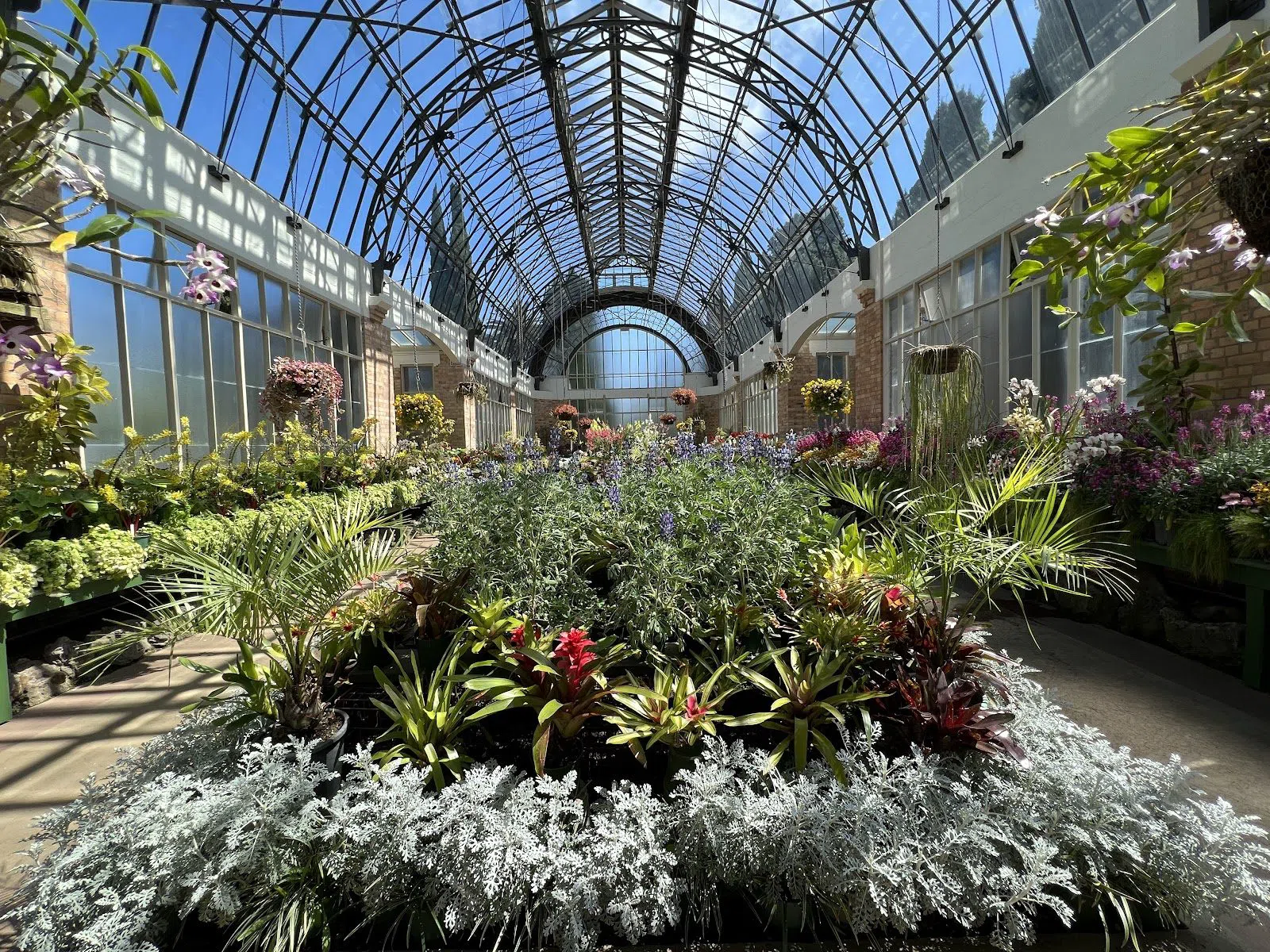
The first is the Auckland Domain Wintergardens (Auckland Domain, Grafton), a pair of heated Edwardian glasshouses that reopened after a $5.62 million restoration completed in 2023. In September they are full of tulips and cinerarias, which is to say they are the one place in Auckland where spring is guaranteed rather than forecast. They are free, unticketed, and you walk straight in. The aisles are narrow, so a party of a dozen should drift through in twos and threes rather than move as a block. The glasshouses are small enough that a group behaving like a group fills them.
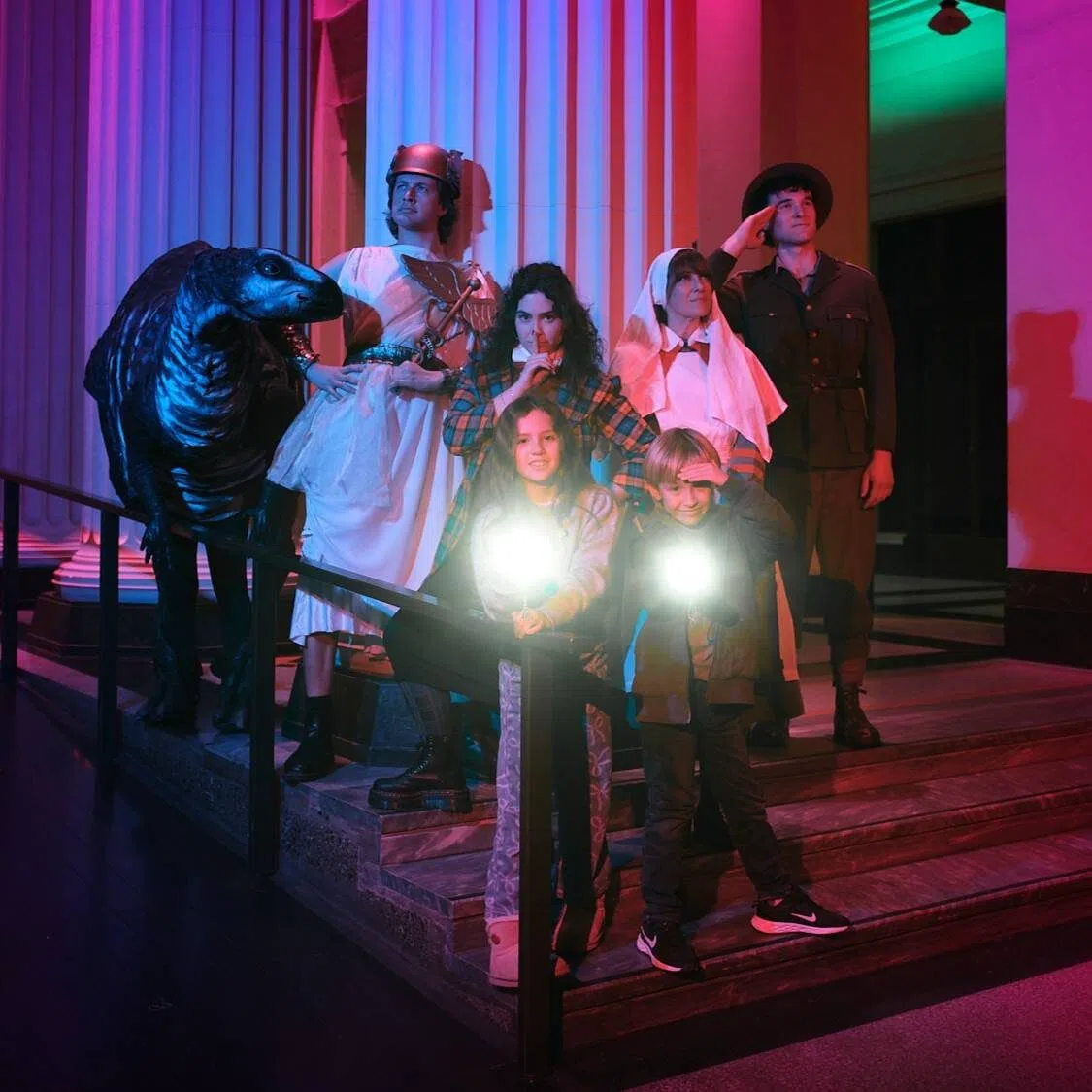
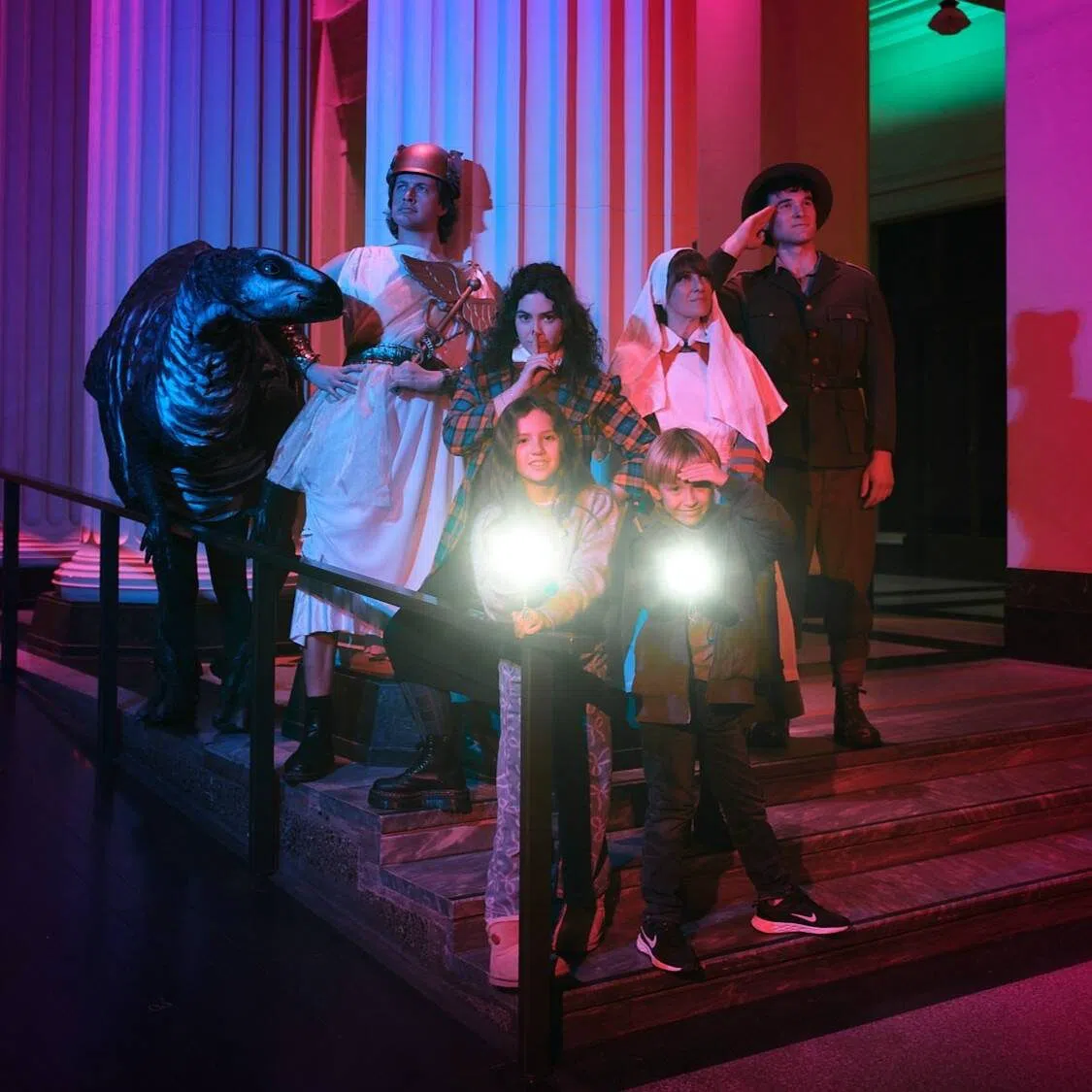
Three minutes further up the hill sits Auckland War Memorial Museum Tāmaki Paenga Hira (Auckland Domain, above Parnell), the default wet-hour bolt-hole. Be clear about what you are buying: Te Marae Ātea Māori Court and the Pacific galleries have been closed since asbestos was discovered in 2025 and remain closed, which is precisely why the international adult ticket has been discounted to NZ$27. Auckland residents go free and other New Zealand residents pay a donation. The Māori cultural performance sells as a timed add-on and works well for parties of ten or more; group and school bookings are arranged in advance. It is still several hours of building if you want them, but go in knowing which doors are shut.
The city centre for nothing, or nearly
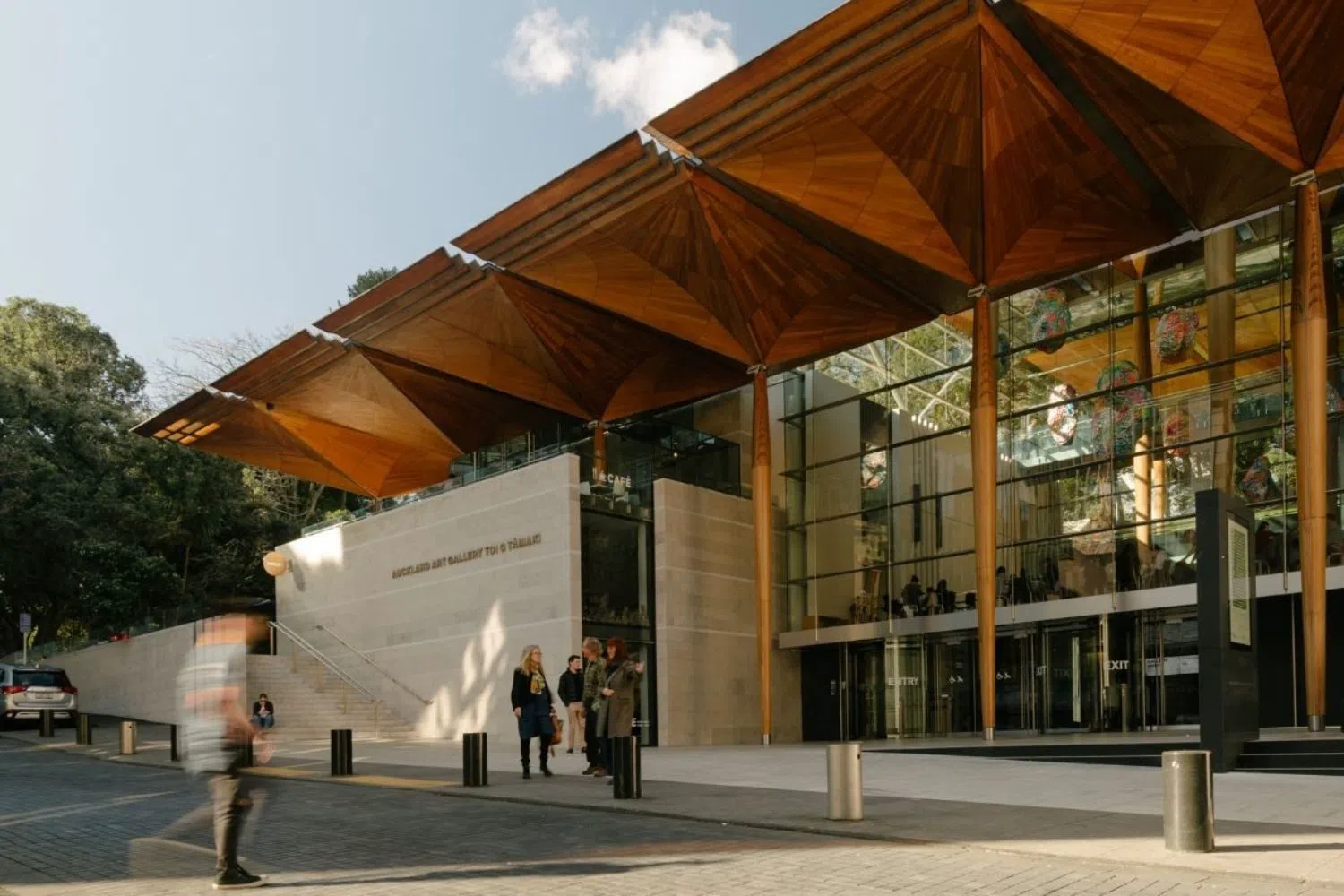
Auckland Art Gallery Toi o Tāmaki (city centre, on the edge of Albert Park) is the cheapest ninety minutes in Auckland and the easiest room in which to park a group of any size. General admission is free to everyone, including overseas visitors (the international charge has been suspended), and there is no booking, no door policy and no queue to speak of. Ticketed touring exhibitions cost extra. It opens 10am to 5pm daily and stays open late on Fridays, which is worth remembering when a wet evening has flattened your other plans.
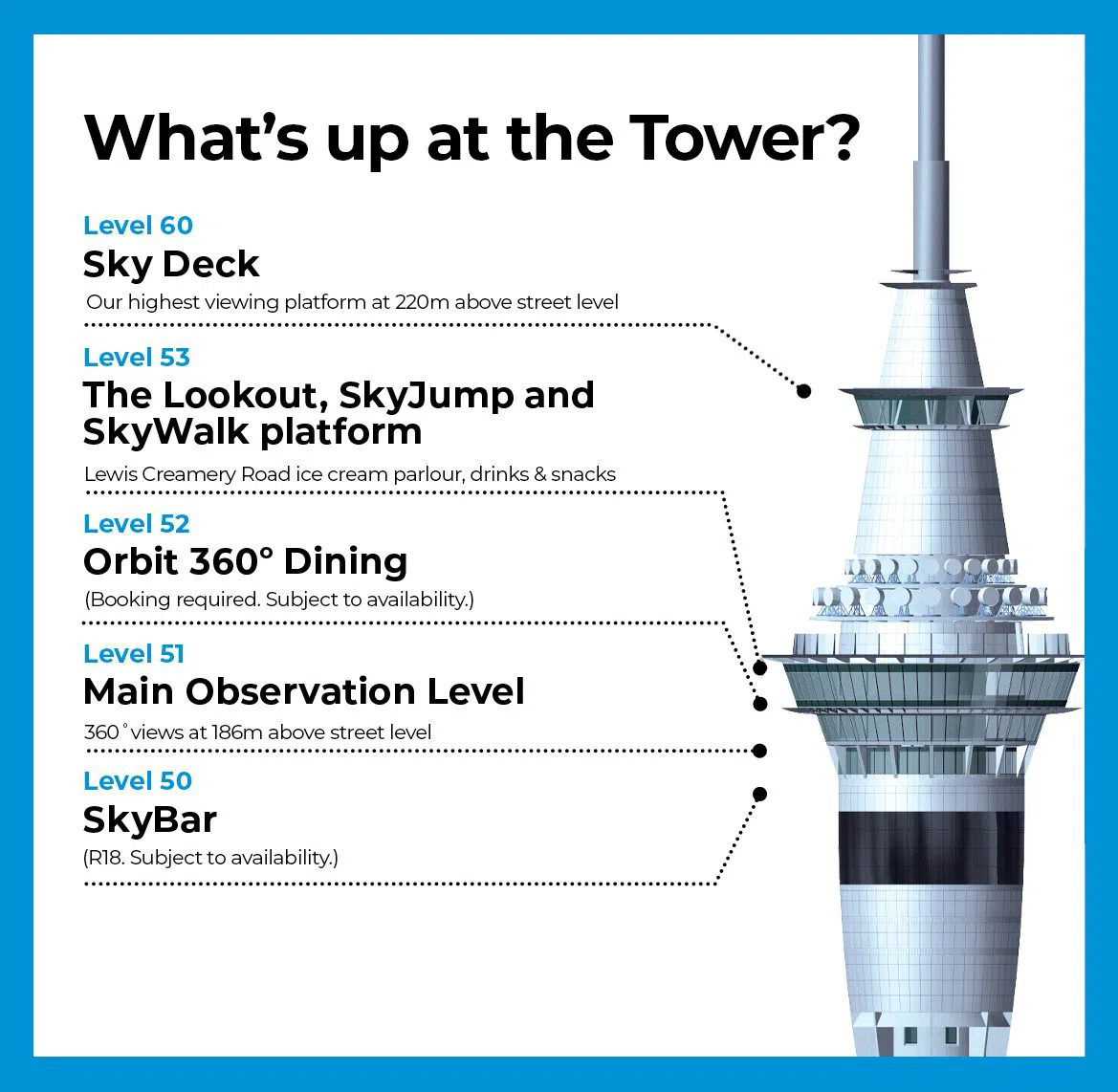
Sky Tower (city centre, Victoria Street) is the opposite proposition: the one attraction in Auckland where the weather decides whether your money is well spent. On a low-ceiling spring morning you pay from NZ$42 to stand inside a cloud. Check the cloud base before you buy, and use the hours, 8.30am to 10.30pm, as the safety net. If the sky clears at six, go at six. The adventure products run in small guided batches, so a large party gets split across time slots and must book ahead: SkyWalk starts at NZ$245, and the SkyJump and SkyWalk combination is NZ$445.
For lunch that survives a disagreement about the forecast, Auckland Fish Market (Wynyard Quarter) is the reliable choice. Eight eateries and a proper fishmonger sit under one roof, with a covered courtyard and a bar that copes with larger parties, and because it is a food hall nobody has to agree on a restaurant. No booking, and NZ$ to NZ$$ a head depending on whether you stop at a plate of fish or work through the oysters.

Indoors on a waterfront that offers no shelter

Tamaki Drive is one of the most exposed stretches of road in the city, with a spring southwesterly coming straight off the water at you, and yet the one thing on it that matters is entirely indoors. SEA LIFE Kelly Tarlton's Aquarium (Ōrākei) is built into the old sewage tanks beneath the road, so the weather is irrelevant once you are through the door. Walk-up is roughly NZ$45 for an adult and cheaper booked online, which also gives express mobile entry, worth having on a wet weekend, when the queue is made up of everyone else who had the same idea at the same moment. Group and family tickets are available. Pair it with a walk out to Mission Bay if the sun returns, which in spring it often does within the hour. Note that it opens late, at 12.30pm, on 8 and 22 March and 12 April 2026 for events on Tamaki Drive.
Half-roofed places that a shower cannot ruin
Some Auckland attractions sit between the wet and dry branches, and those are the ones to reach for when the forecast is unreadable. Auckland Zoo (Western Springs) is the clearest example. The $62 million South East Asia Jungle Track covers about a fifth of the grounds and much of it runs under canopy or roof, the paths are wide and sealed enough for a large group, and school and group bookings are standard. A passing shower costs you ten minutes, not the visit. The detail that catches people out is the last entry at 3.30pm. Arrive at three and you are being polite to the keepers rather than seeing the zoo. Around NZ$26 for an adult.

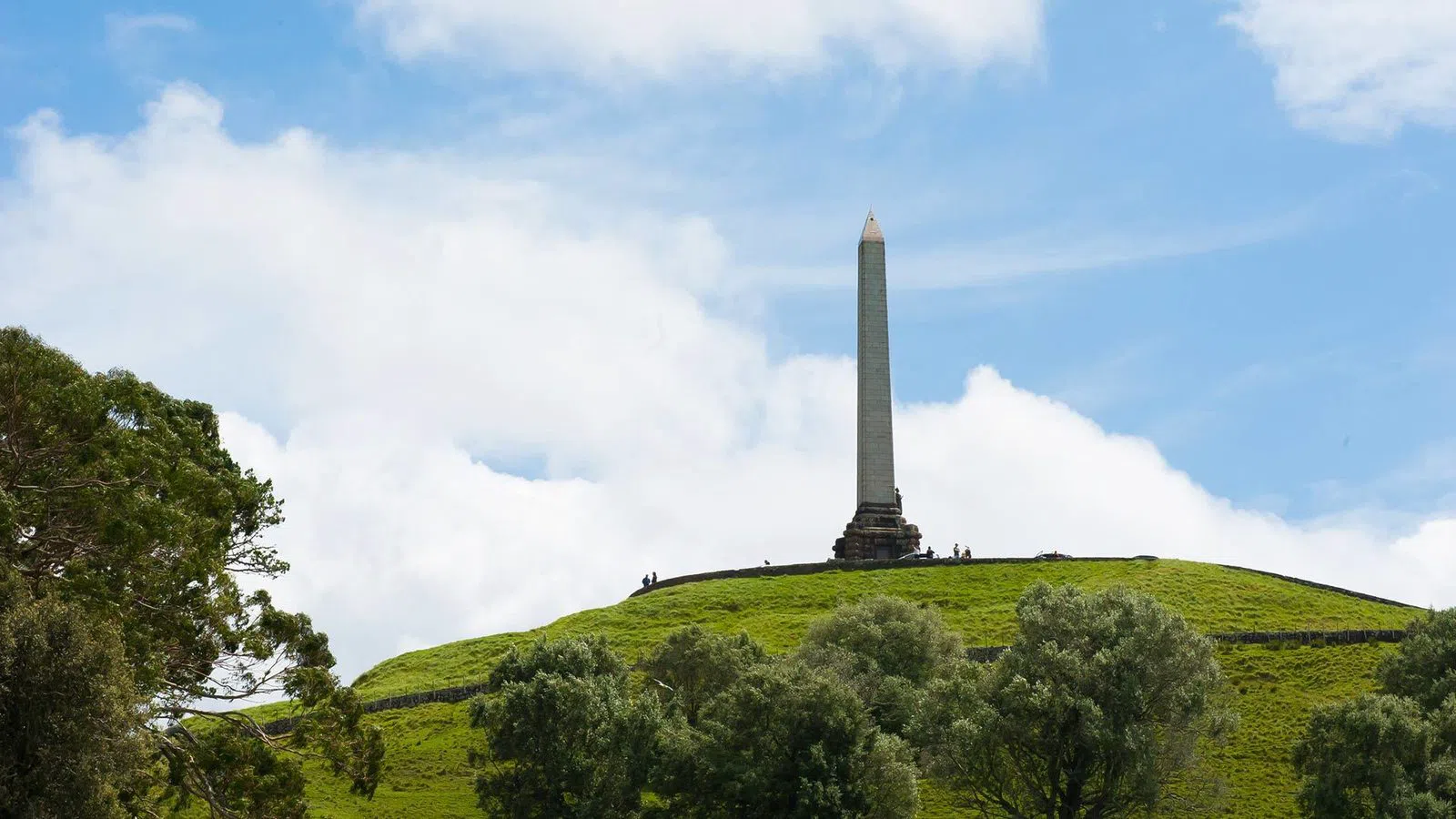
Cornwall Park (Epsom, on the flanks of One Tree Hill) is the most reliably seasonal thing in the city and costs nothing at all. It is a working farm inside Auckland, and lambing runs from roughly mid-July to 10 September, with some paddocks fenced off during it to keep the animals undisturbed. If you are here in the first half of September, this is the version of spring that people remember. When the rain arrives, Huia Lodge Discovery Hub is the fallback, open 10am to 4pm daily. It is small, so a coach party should stagger its way in rather than arrive at once. For where this sits relative to everything else on the isthmus, the Auckland guide orients you faster than a map alone.
The trips to hold back for a settled forecast
Three things in this article should be booked against the weather rather than against the calendar.
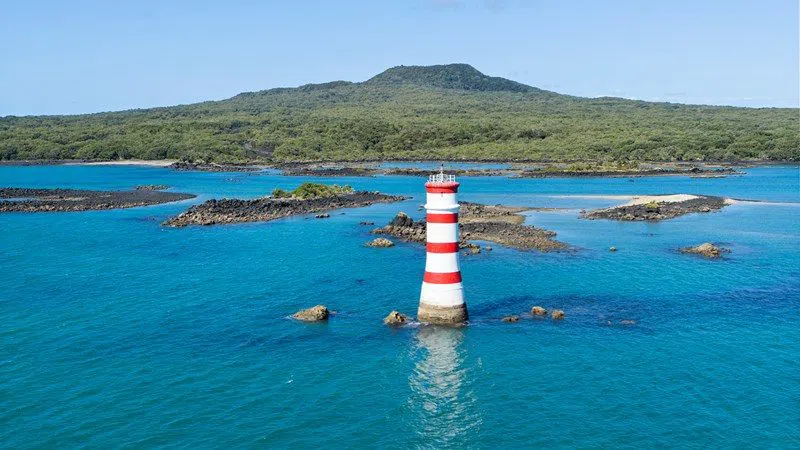
Rangitoto Island (Hauraki Gulf, ferry from the downtown terminal) is a 25-minute crossing to a volcano roughly 600 years old, a seven-kilometre return walk and about two hours to the summit. There is no shop, no café and no shelter of any kind on the island, and no way off between sailings. Ferries are limited, seats must be booked, and they sell out. From NZ$60 return; the walk itself is free. Move this one to a settled day rather than gamble on a gap between fronts.
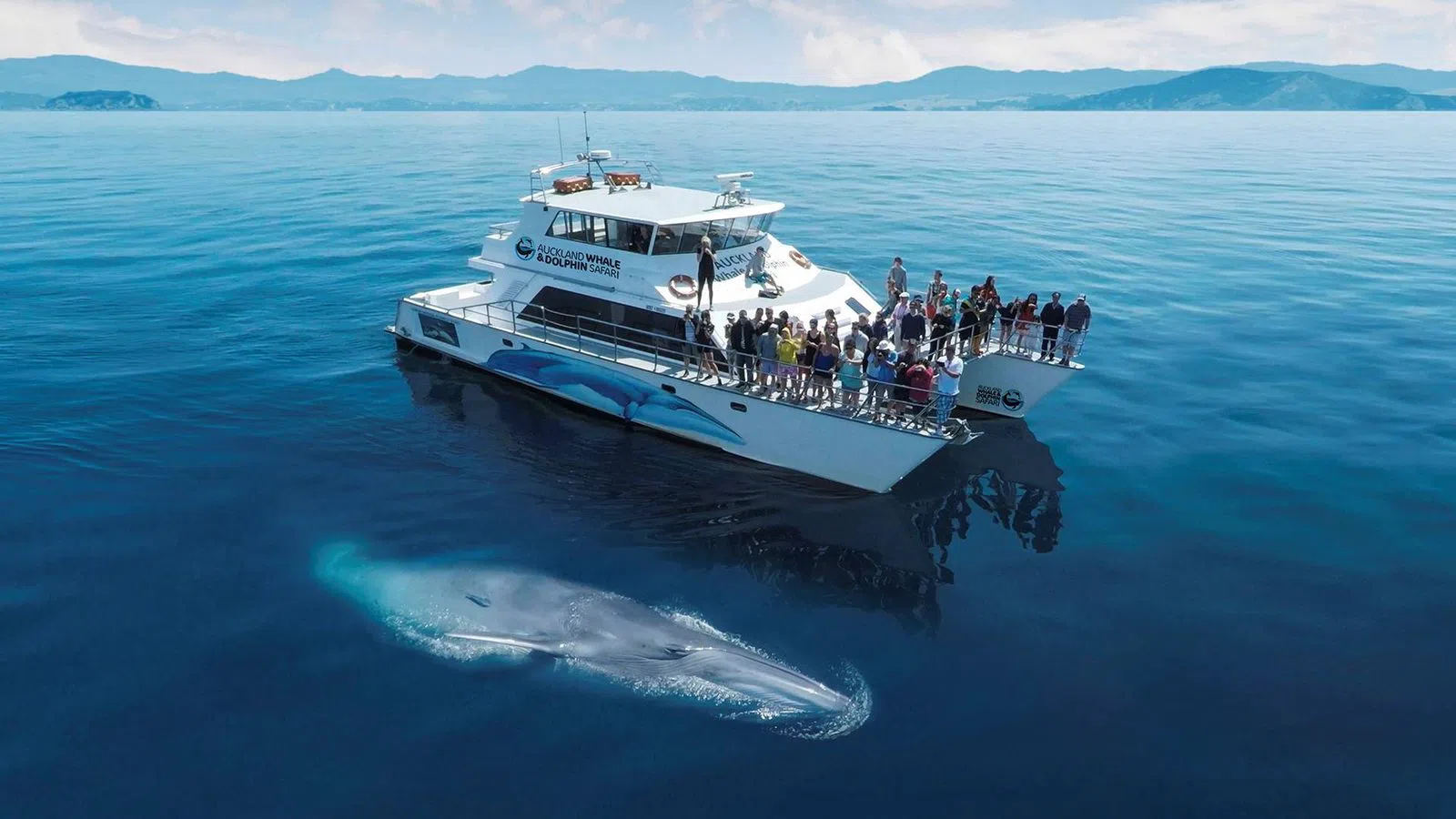
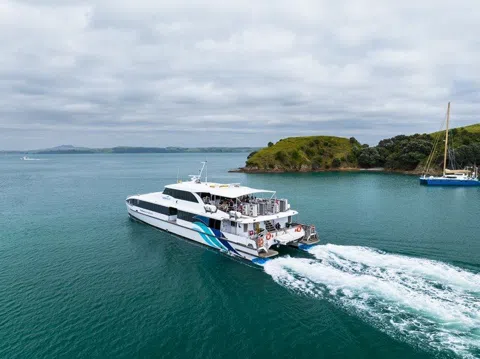
Auckland Whale & Dolphin Safari (Berth 9, Eastern Viaduct) runs 4.5 hours into the Hauraki Gulf Marine Park at around NZ$180 an adult, and takes groups, charters and private events by direct arrangement. Check the operator's trip-status page on the morning of sailing. Spring fronts cancel departures, and taking the refund is a far better outcome than four and a half hours of seasickness on a gulf that has turned.
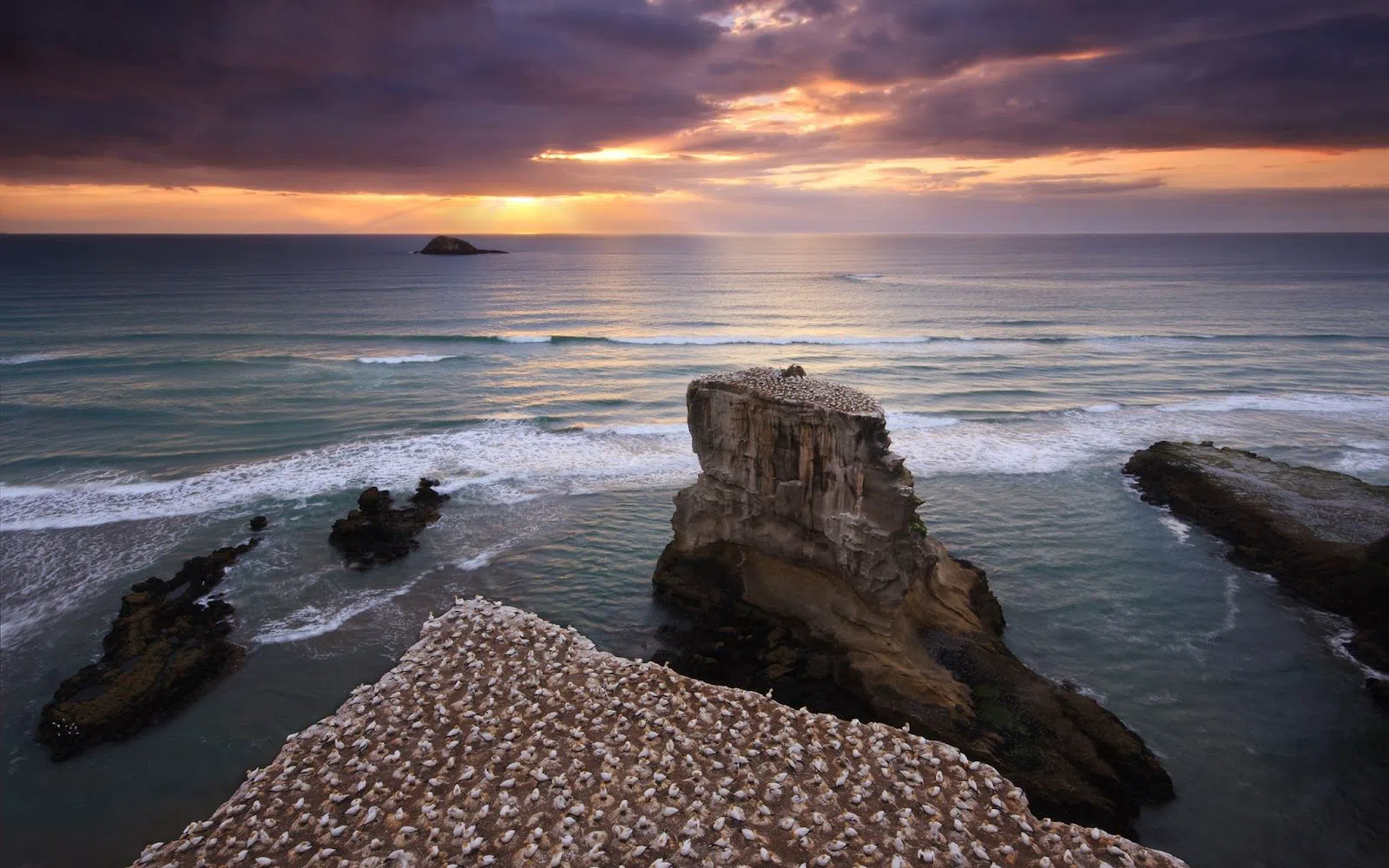
Takapu Refuge Muriwai Gannet Colony (Muriwai, about 45 minutes northwest) is the strongest seasonal reason to be in Auckland now. More than a thousand tākapu pairs breed on the headland from August to March and the viewing platforms put you within a few metres of them. It is free and open access; the platforms are narrow, so groups shuffle through in a line rather than gather. The site reopened in December 2024 after storm damage, and short repair closures still appear, so check the council page before committing to the drive.
Two ferries that work in the rain
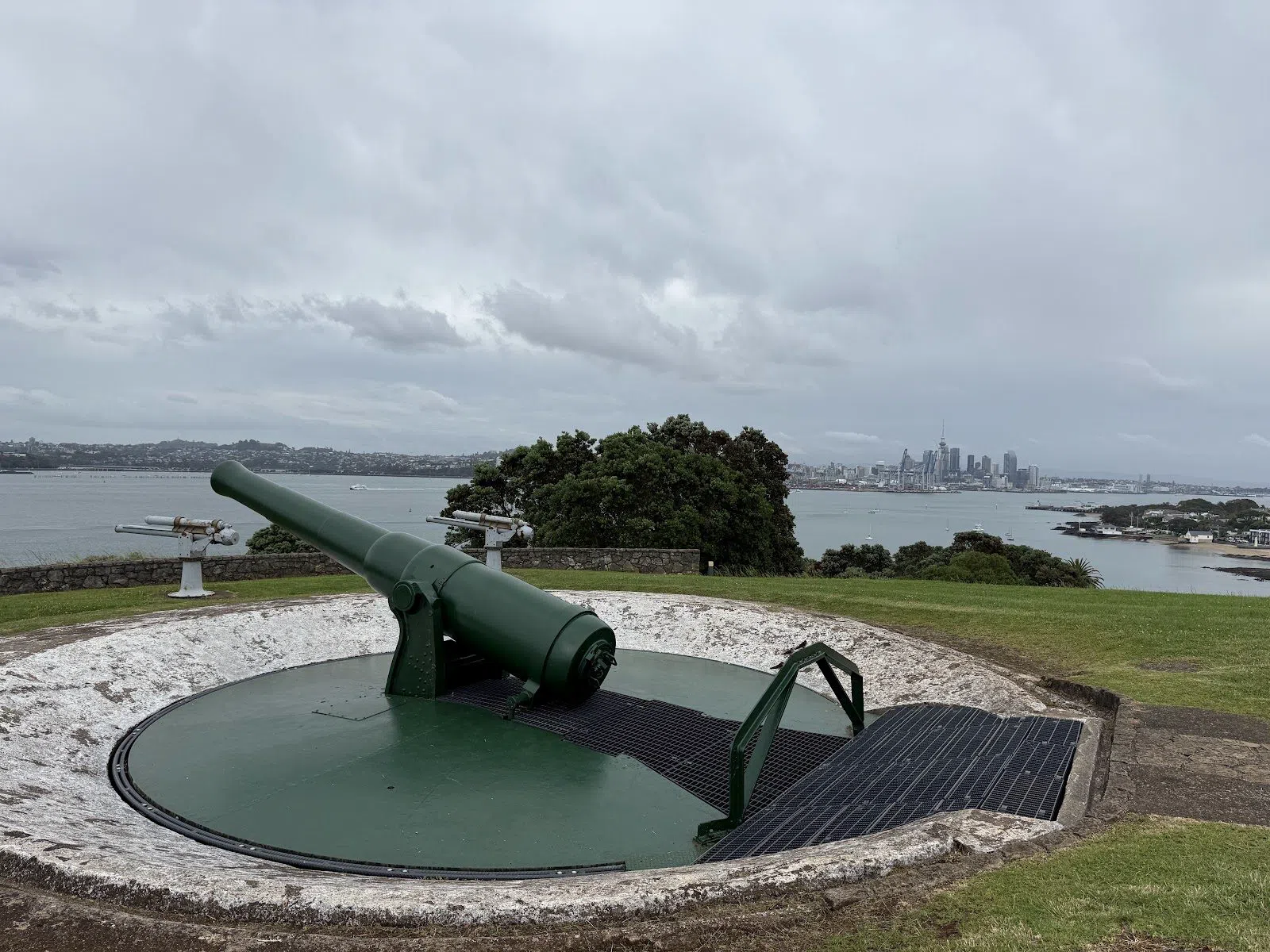
A wet day does not rule out getting on the water, provided the destination has a roof at the far end. Maungauika / North Head (Devonport) is twelve minutes across the harbour and a short walk up from the wharf, and the ferry is NZ$7.80 one way with an AT HOP card. What makes it unusual is the tunnel network cut into the headland for its coastal defences: an exposed clifftop that nonetheless works in rain. The tunnels are tight and unlit, so bring a torch and go through in ones and twos. Free, open access, on foot.
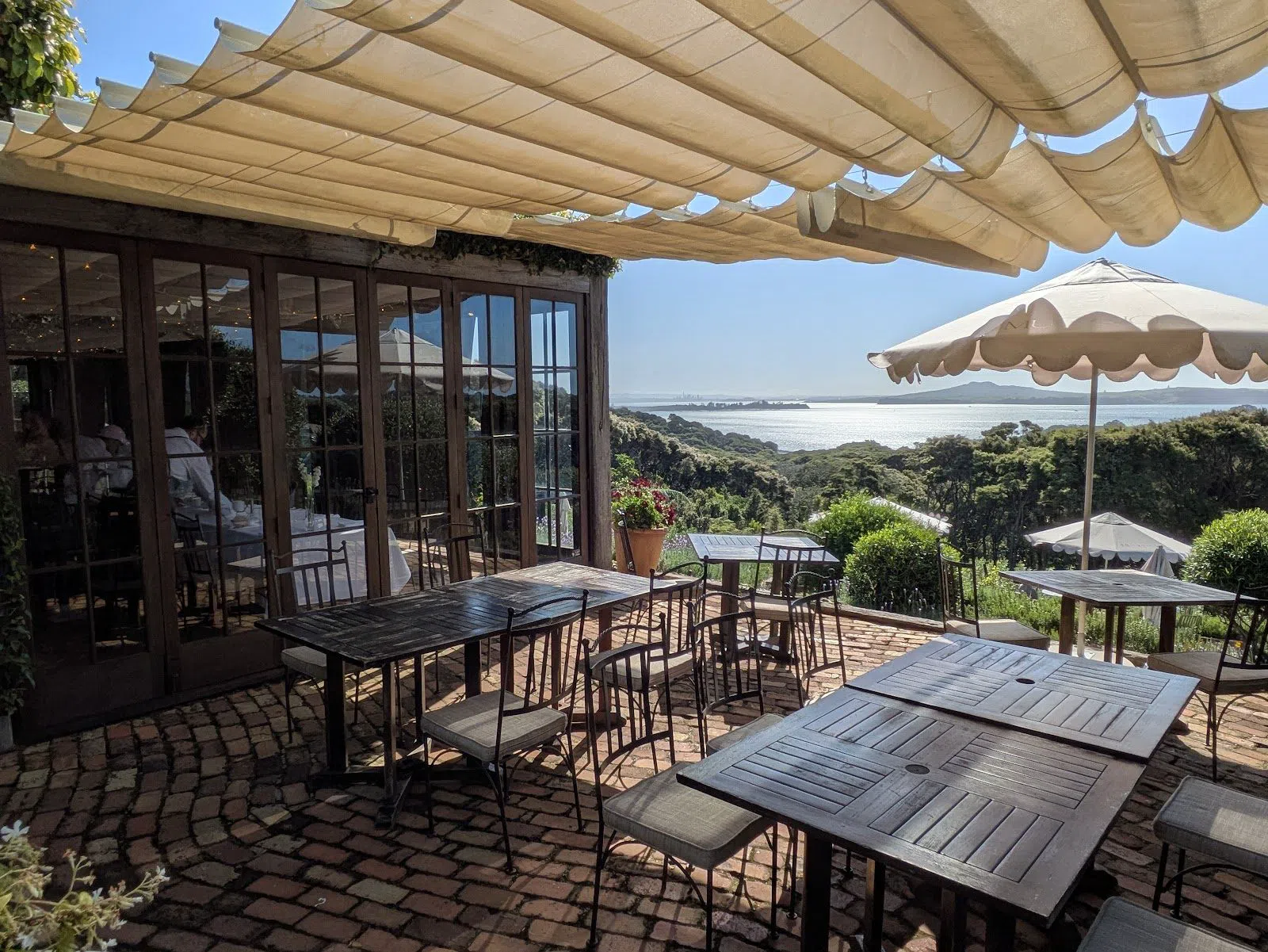
The longer version is Waiheke, and specifically Mudbrick Vineyard & Restaurant (above Oneroa, twenty minutes uphill from the Matiatia ferry). It holds one star in the 2026 MICHELIN Guide New Zealand, and the reason it belongs in a spring article is that it turns bad weather into a view through glass rather than a lost afternoon. The flagship room is small and priced accordingly (tasting-menu territory), while the Archive bistro is mid-range and better suited to a larger table. There are private dining rooms and a full events operation, so groups are welcome, but book, and do not assume you can walk in and be seated at the main restaurant on a Saturday.
The day to leave the city altogether
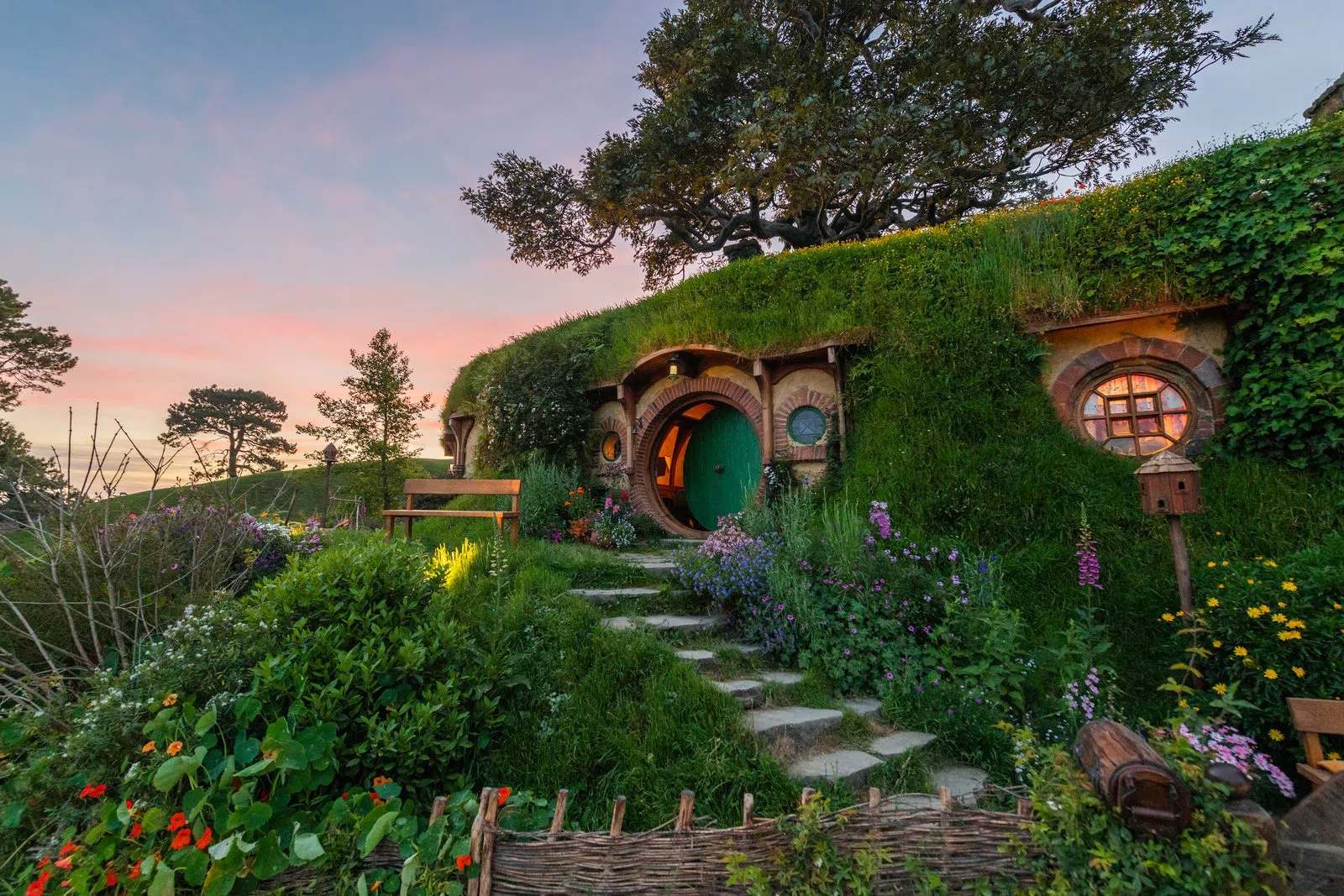
When the forecast for Auckland is uniformly poor for a whole day, that is the day to go to Hobbiton Movie Set (rural Waikato, about two hours south by road) rather than the day to cancel it. It is deliberately an all-weather product: tours run rain or shine over two to two and a half hours on uneven paths, in guided batches, with coach transfers and daily departures. From NZ$120 an adult, about NZ$149 including the buffet lunch, and under-tens go free. Bring proper footwear and a jacket and it is unaffected by the thing that would have wrecked your Auckland plans.
Groups, couples and who fits where
Nothing in this article has a door policy in the nightlife sense, but capacity varies enormously. The gallery, the fish market, the zoo, Cornwall Park and Arataki absorb large parties without strain. The Wintergardens, the North Head tunnels, the gannet platforms and the Huia Lodge hub are physically small and are best entered in twos and threes. The Sky Tower adventure products and the Rangitoto ferry force groups to split across departures, so book those first and build the rest of the day around the time you are given. For couples, the two that reward the effort most are Mudbrick on a clear evening and Maungawhau at first light, before the carpark fills.
Getting around, paying and timing the day
An AT HOP card is the sensible first purchase; it covers buses, trains and the Devonport ferry, and the fares drop against cash. Card payment is accepted everywhere in this article and cash is close to unnecessary, though a small amount is worth carrying for parking at the west coast trailheads. A rental car earns its cost only if Muriwai, Arataki or the drive south are on your list. Inside the isthmus it is a liability, and Maungawhau's summit is closed to it anyway.
On timing: mornings are statistically the calmer half of a spring day, so put the outdoor branch first and hold the indoor options for the afternoon. Watch the 3.30pm last entry at the zoo and the 4pm close at Huia Lodge, both of which end days earlier than people expect. On budget, a full day costs very little if you lean on what is free (the gardens, the cones, Cornwall Park, the gallery, the gannets), and the two genuinely expensive decisions are the gulf cruise and the Sky Tower adventure line. For where to base yourself, the city centre puts the Domain, the gallery and the ferry terminal within walking distance of each other, which is exactly the compactness this weather demands; start with an Auckland hotel search and prioritise the walk radius over the room.
Pack one waterproof layer you are willing to wear all day and stop checking hourly forecasts, which in an Auckland spring are a form of self-harm. Look west from high ground, decide for the next ninety minutes, and let the rest of the day arrange itself.
Before you go
What is the weather actually like in Auckland in September and October?
Changeable within a single day rather than uniformly bad. Expect sun, wind and short heavy showers, often all before lunch, with mornings usually the calmer half. If each day has an indoor alternative within twenty minutes of the outdoor one, you will rarely lose more than half an hour to any one front.
Where can I go in Auckland when it rains?
Auckland Art Gallery Toi o Tāmaki is free to everyone and open 10am to 5pm daily, with a late opening on Fridays. The Auckland Domain Wintergardens are free and heated, and the Auckland War Memorial Museum is three minutes away at a discounted NZ$27 for international adults. SEA LIFE Kelly Tarlton's is entirely indoors, and the North Head tunnels in Devonport still work in rain even though the headland is exposed.
Is it worth going up the Sky Tower in spring?
Only after checking the cloud base. On a low-ceiling morning you pay from NZ$42 to stand inside a cloud. The tower is open 8.30am to 10.30pm, so you can wait for the sky to clear and go the same evening instead of buying a ticket on arrival.
Should I book Rangitoto Island in advance?
Yes. Ferry sailings are limited and seats sell out, from NZ$60 return. The island also has no shop, no café and no shelter, and no way off between sailings, so book it against a settled forecast rather than a fixed date in your itinerary.
What is genuinely seasonal about visiting Auckland in spring?
The tākapu (gannet) colony at Muriwai holds over a thousand breeding pairs from August to March. Lambing at Cornwall Park runs from roughly mid-July to 10 September. The Domain Wintergardens are full of tulips and cinerarias in September, the one place where spring is guaranteed rather than forecast.