The Auckland issue
Three Nights in Auckland Without Wasting a Day
Most of a first visit to Auckland is decided by how you use the water. Three nights across the isthmus, the gulf and the west coast, with none of it over-planned.

By Tomás FerreiraAuckland by cone, coast and neighbourhood
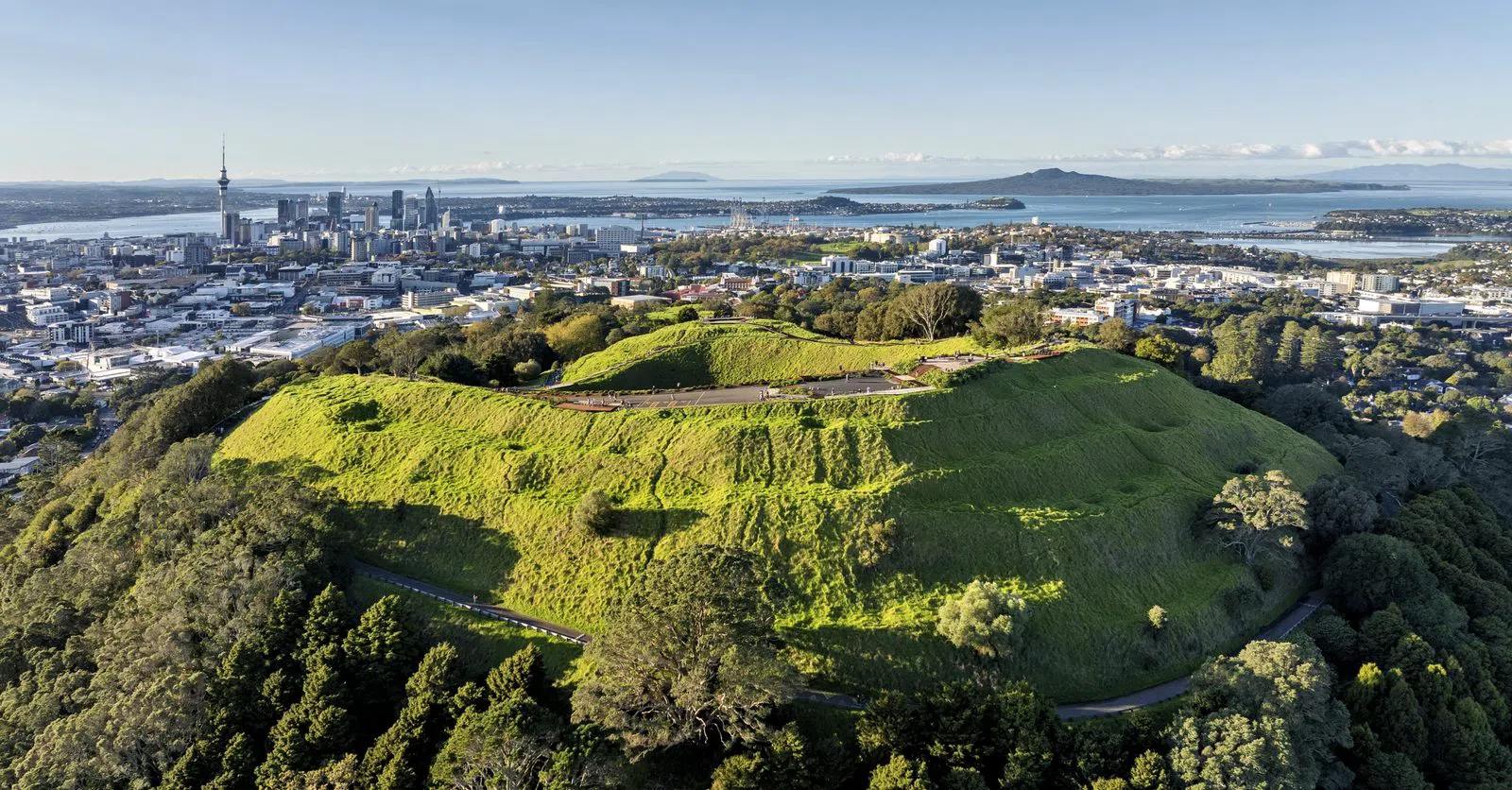
Auckland lies on a volcanic field of some fifty cones, most of them low enough to pass for ordinary parks until you climb one and find the sea on both sides at once. The isthmus is only a few kilometres wide where it pinches, which is why the ferries here are transport rather than a diversion. Three nights is a short stay in a city with two harbours and an archipelago on its doorstep, and it goes further if you treat the water as a road rather than a view.
Get up high before you do anything else
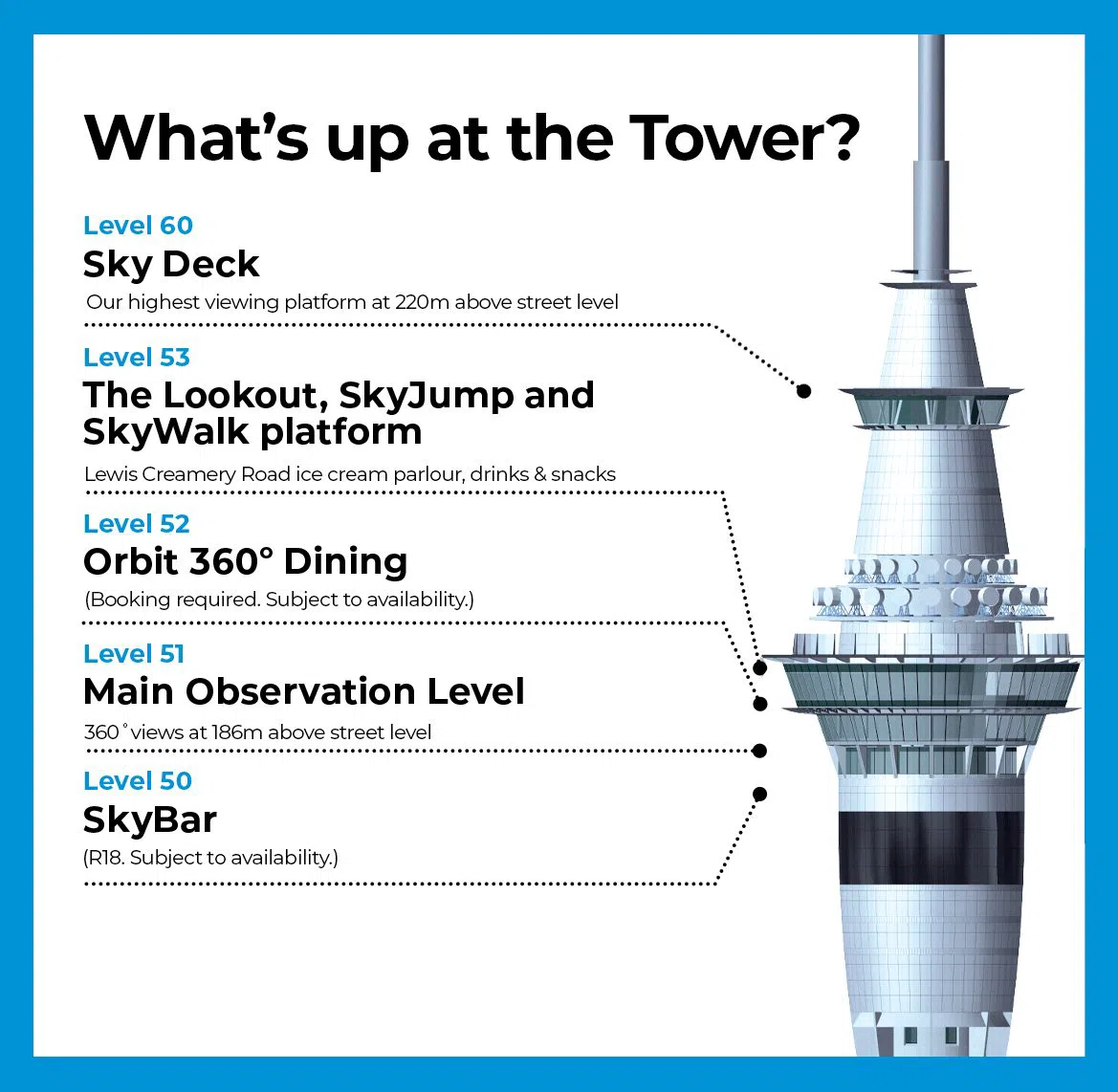
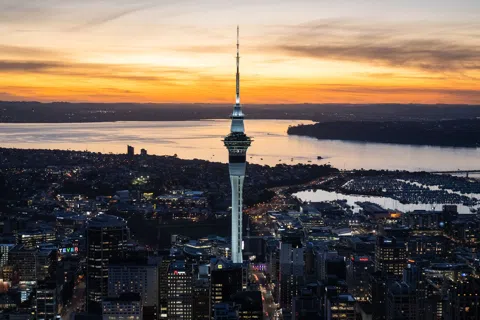
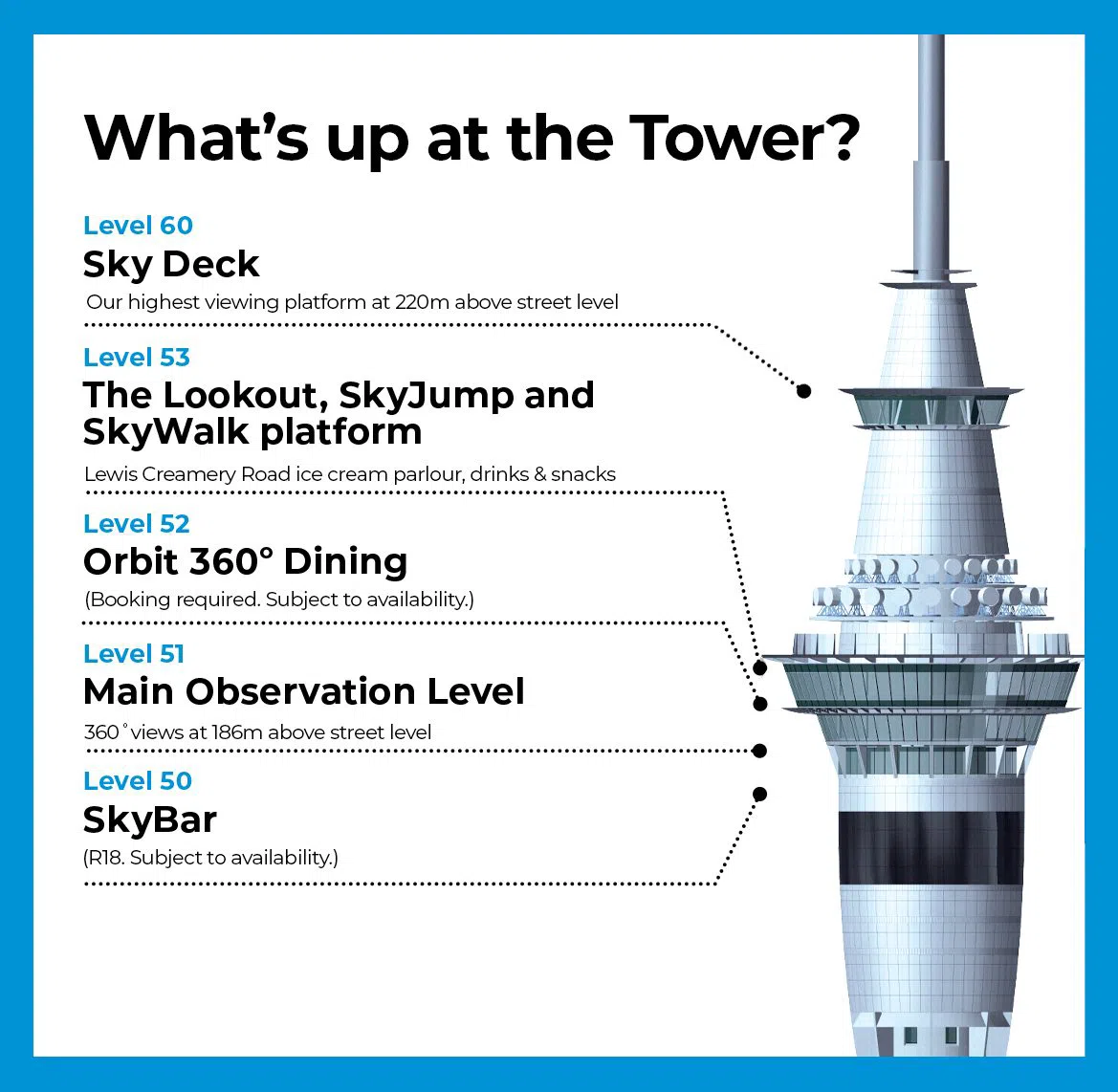
The Sky Tower (city centre, off Victoria Street West) is the orientation device for the whole trip, and it is worth doing in the first few hours rather than saving it for a spare afternoon. General admission runs around NZ$45 for an adult, walk-up, with no group limit, so six people can decide on it at an hour's notice, which little else in the city allows. What you are buying is less the height than the naming of things: the cones ringing the isthmus, the low dark island sitting offshore, the ferry wakes crossing to the North Shore, the hills that hide the west coast beaches. Every day that follows makes more sense from the ground once you have seen how the pieces sit.
The two adrenaline options are a different proposition. SkyWalk starts from about NZ$245 and SkyJump from about NZ$195, with a combination ticket around NZ$445, and both run in small timed batches rather than continuously. A couple can usually slot in; a party of eight cannot turn up and expect to go together, so book the slots in advance and book them as one block.
On a clear afternoon, follow the tower with Maungawhau / Mount Eden (Mount Eden, a short ride south of the centre), the highest natural point in Auckland and free to climb. The summit road has been closed to private cars since 2016, so everyone walks the fifteen to twenty minutes up from Mountain Road or Puhi Huia Road: tour groups, families, people in the wrong shoes. That closure is the best thing that has happened to the maunga. The crater is quiet, the crowd thins as the path steepens, and the view of the harbour and the gulf costs nothing. A paid council shuttle exists for those who cannot manage the climb.
Plan your Auckland trip
Live prices from our booking partners.
Free cancellation on many rooms. We may earn a commission when you book.
The city's two great collections and one awkward gap
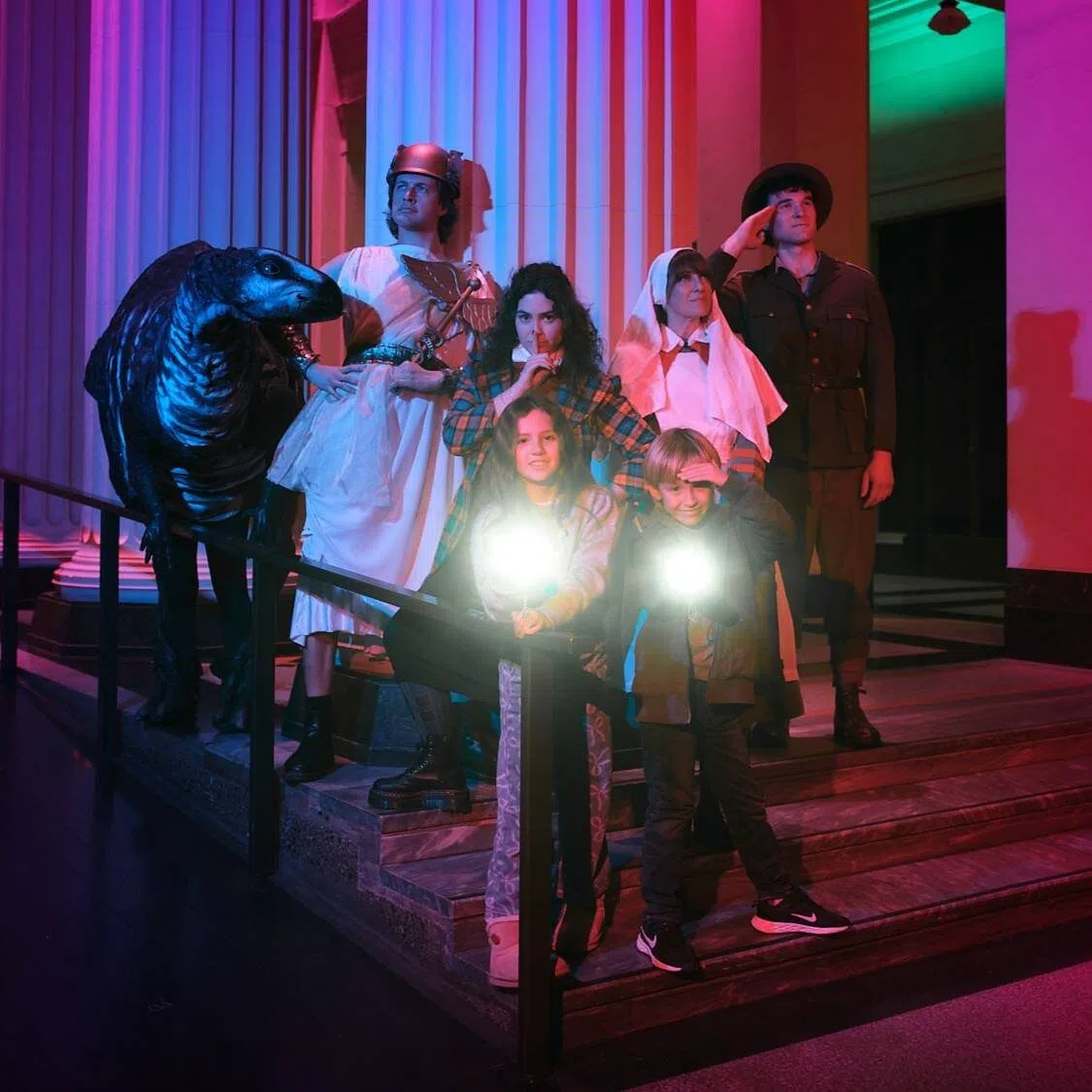
Auckland War Memorial Museum Tāmaki Paenga Hira (the Auckland Domain, above Parnell) is in the middle of a long disruption, and it is better to know that before you buy a ticket. The Māori Court and the Pacific galleries are closed for asbestos remediation and redevelopment with no firm reopening date, which is why international adult admission has been discounted to around NZ$27. What remains open is still substantial: the natural history floor, and the war memorial galleries on the top level, which are among the most restrained and affecting rooms of their kind. The thirty-minute Māori cultural performance also continues, runs about three times a day, and sells out through summer. The bundled ticket is roughly NZ$35, and a group of any size should pre-book the whole party rather than hoping at the door.
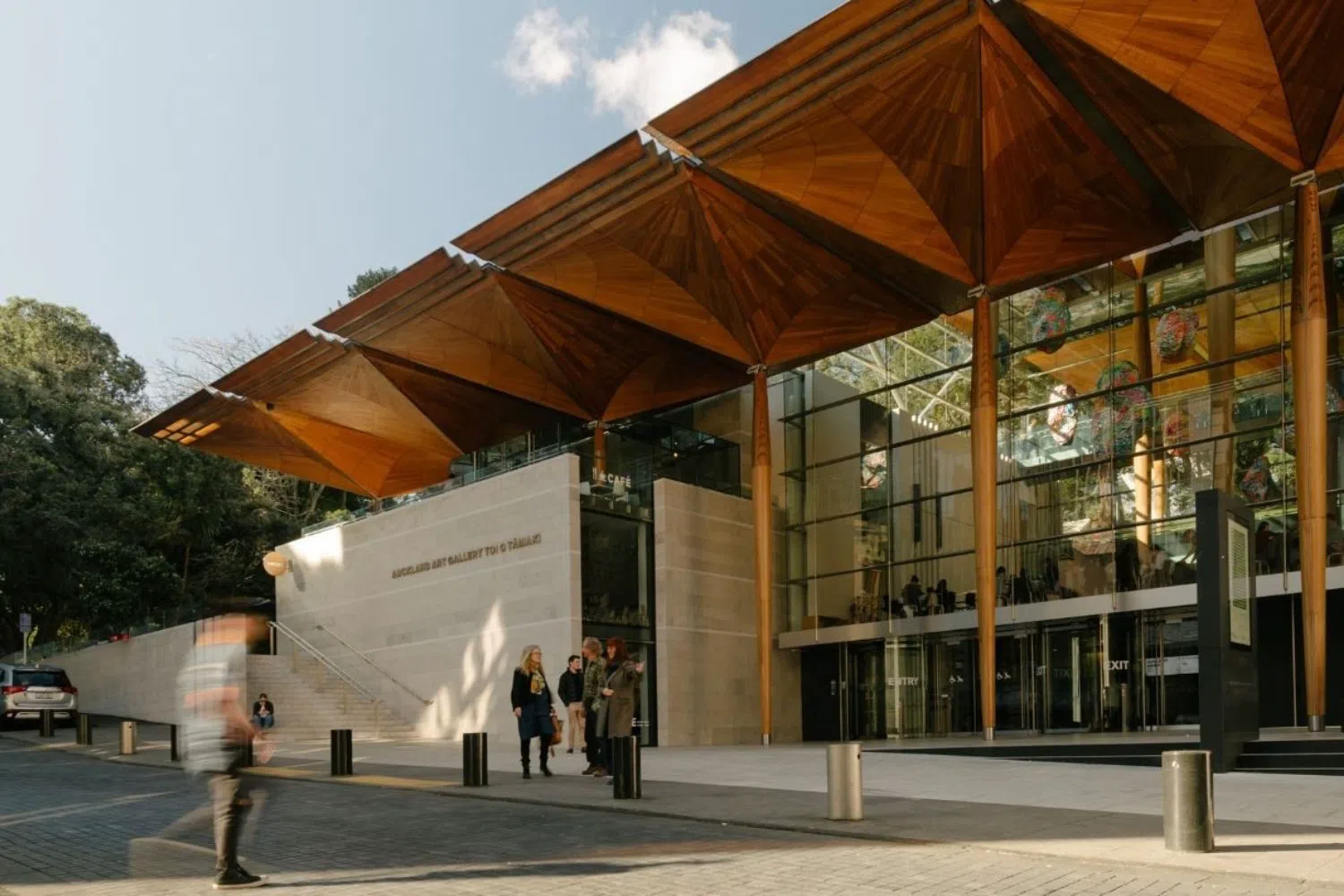
With the museum's Māori and Pacific galleries shut, Auckland Art Gallery Toi o Tāmaki (city centre, at the top of Kitchener Street) carries more weight than usual. It holds the country's most important collection of Māori and Pacific portraiture alongside its contemporary work, and general admission is free (international charges are suspended), with special exhibitions ticketed separately. It opens daily from 10am to 5pm and later on Fridays. Free entry changes how you use a place: a group can drift in for forty minutes, split up, and leave without anyone feeling they have to extract value from a ticket. On a wet morning, this is the answer.
Where to eat when nobody has booked anything
Auckland Fish Market (Wynyard Quarter, on the western side of the downtown waterfront) is the most useful address in the city for a mixed group. Eight eateries share communal seating around a working fishmonger, there are no bookings and no door policy, and NZ$15 to NZ$40 a head covers most appetites. Vegetarians, a teenager who wants fried food and someone who came to Auckland for raw fish can all be satisfied at the same table, which is more than most restaurants manage. There is a pre-dawn auction on weekdays if you are awake for it. One correction to older advice: the Auckland Seafood School upstairs has closed, so do not come expecting a cooking class.
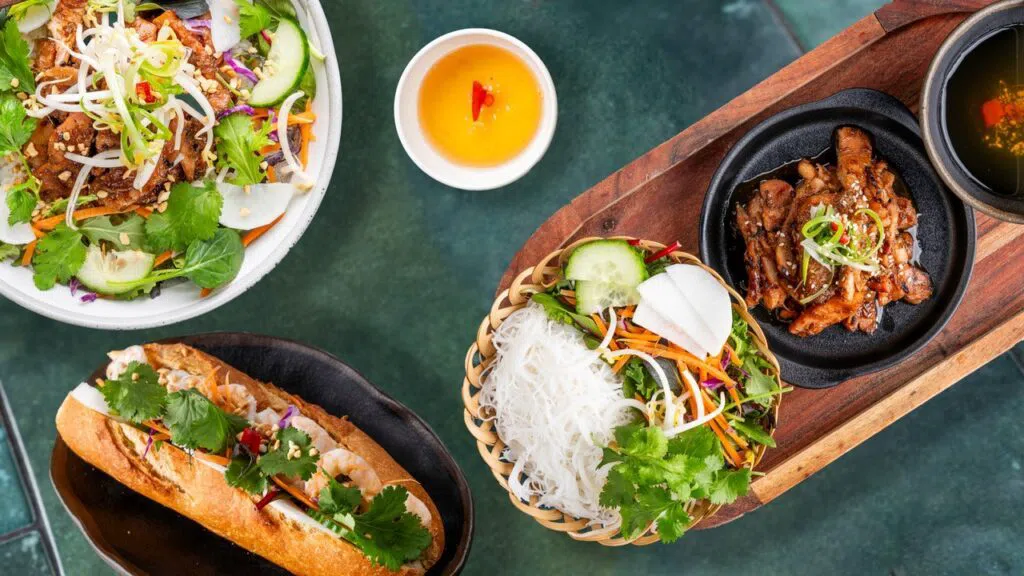
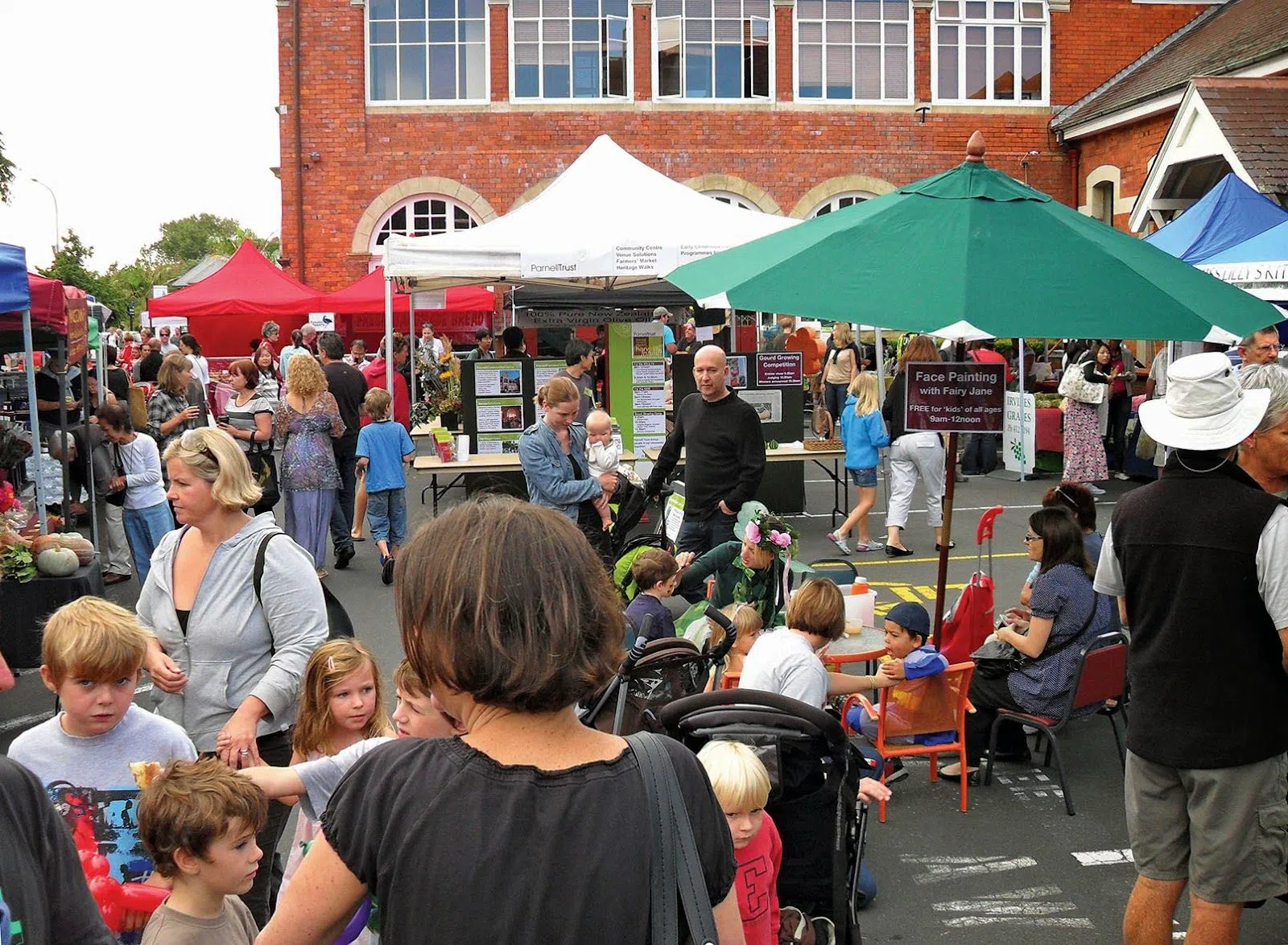
Saturday morning belongs to markets, and Auckland has two that pull in opposite directions. La Cigale French Market (Parnell) trades Saturday 8am to 1.30pm and Sunday 9am to 1.30pm, costs NZ$10 to NZ$25 a head to graze, and sits a short walk from the museum, which makes the two a natural single morning. The aisles are tight; a group of six should split and regroup outside rather than moving as a block.
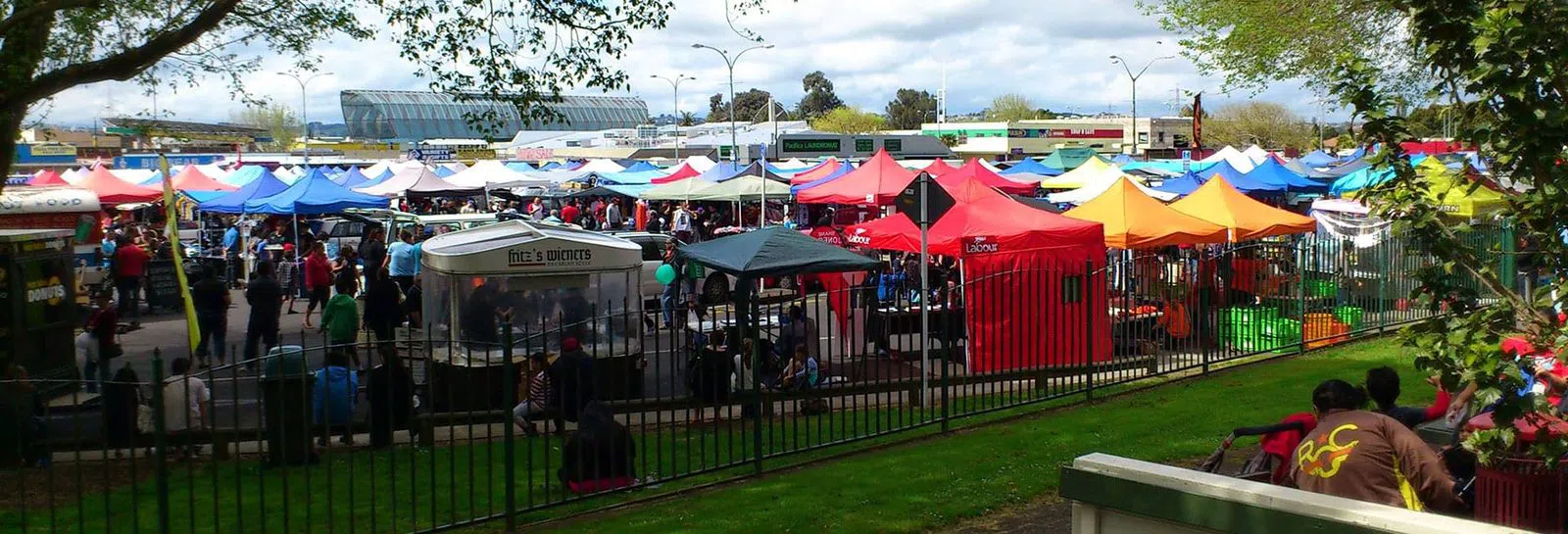
Ōtara Flea Market (Ōtara, South Auckland) is the more interesting of the two and the harder to reach. Auckland is the largest Polynesian city on earth, and the market is the plainest place to see what that means. It has been running since the 1970s, entry is free, and NZ$5 to NZ$20 buys a proper breakfast. It opens at 6am on Saturdays and winds down well before noon, so you cannot do both markets at leisure. If you want both, drive the twenty-five minutes south early, eat at Ōtara around eight, and be at La Cigale by late morning. Bring cash for the southern market.
A ferry, a village and a hill full of tunnels
If you do only one thing on the water, make it Maungauika / North Head (Devonport, across the Waitematā Harbour). The ferry takes twelve minutes and costs around NZ$16 return, the village at the other end is Victorian and walkable, and the headland above it is free, open daily and needs no booking. Inside the hill is a network of tunnels and gun emplacements built for the Second World War, unlit and open to anyone who walks in. Bring a torch, or a phone with battery to spare. Some Northern and Southern Battery sections close intermittently for structural work, which is worth accepting rather than resenting; there is always enough open to make the trip worthwhile. For a half day, nothing else in Auckland offers this ratio of cost to reward.
Choosing which island gets a whole day
Three nights allows exactly one full island day, and the choice tells you what kind of traveller you are.
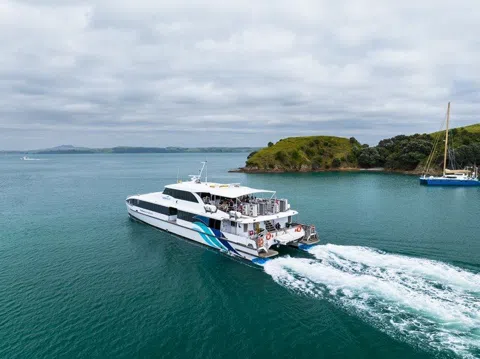
Rangitoto Island (Hauraki Gulf, twenty-five minutes from downtown) is the geological answer. It is roughly six hundred years old, the youngest volcano in the field, and the summit walk takes about two hours return over black lava and through pōhutukawa. The Fullers360 return ferry starts around NZ$60 and the track itself is free. Two things to plan for: there are no shops and no drinking water on the island, so everything comes in with you, and the sailings are fixed and infrequent, which commits your entire party to the same boat home whether they are ready or not.
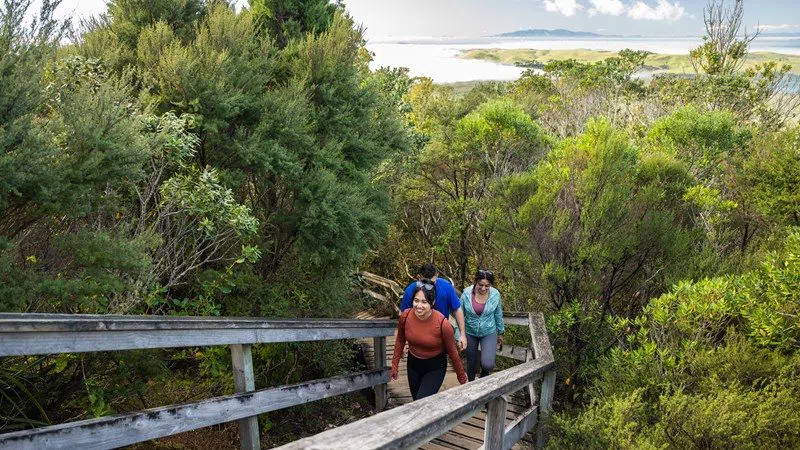
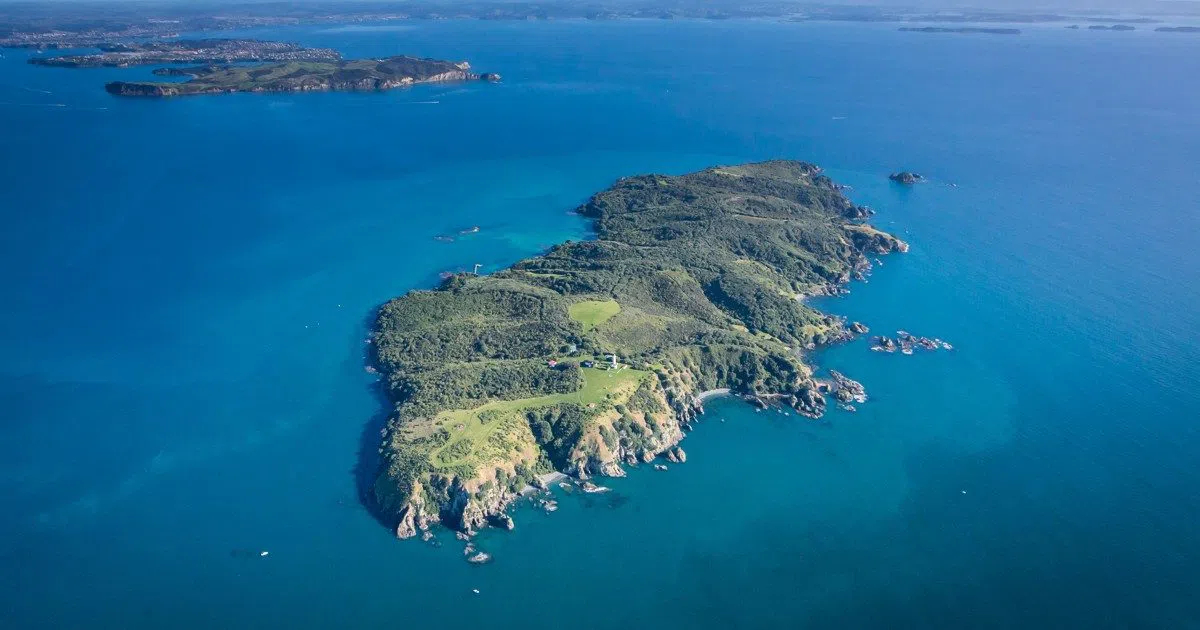
Tiritiri Matangi Island (Hauraki Gulf, further north) is the wildlife answer and, for many visitors, the best day in the region. It is a predator-free open sanctuary where takahē, kōkako, tīeke and hihi come to you rather than the reverse, birds that most New Zealanders never see. The Explore Group ferry sails Wednesday to Sunday, costs about NZ$100 return, and books out weeks ahead between November and April. A guided walk adds NZ$15 and suits groups well. Shoes and bags are checked for biosecurity on departure, and the return boat does not wait, so treat the sailing time as fixed.
Mudbrick Vineyard & Restaurant (Oneroa, Waiheke Island) is the indulgent one. The ferry is forty minutes and from NZ$46.50 return off-peak, the restaurant is in the MICHELIN Guide, and mains run NZ$45 to NZ$60 with a degustation well above that. Reservations are essential, and the view back across the water at the city is honestly half of what you are paying for. If your group is larger, looser or less inclined to sit still for three hours, the more casual Archive Bar & Bistro on the same site absorbs them without ruining anyone's lunch. Open seven days from 9am.
What the west coast asks of you
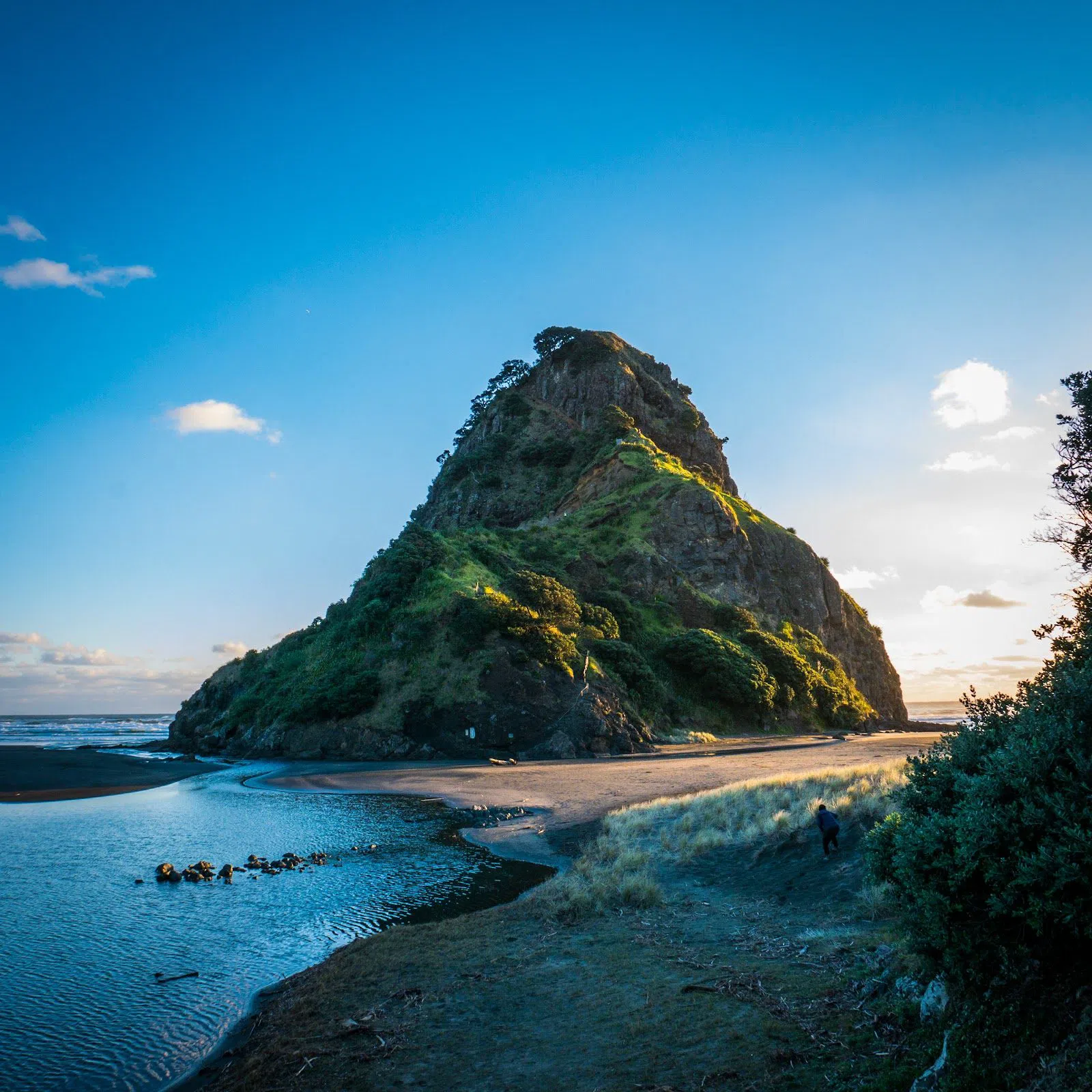
Piha Beach (west coast, beyond the Waitākere Ranges) is black sand, heavy surf and about an hour's drive. There is no public transport, so a rental car or an organised tour is the only way, and the car park fills fast on summer weekends. The water is genuinely dangerous. Swim only between the red and yellow flags and only during patrol hours, and if there is no patrol, do not swim. The Lion Rock summit track has been closed indefinitely since a rockfall, though Kitekite Falls and the Mercer Bay Loop remain open. Kauri dieback keeps closing tracks across the ranges at short notice, so check the council's closure list the morning you go rather than trusting a guidebook or this article.
The one dinner worth planning around
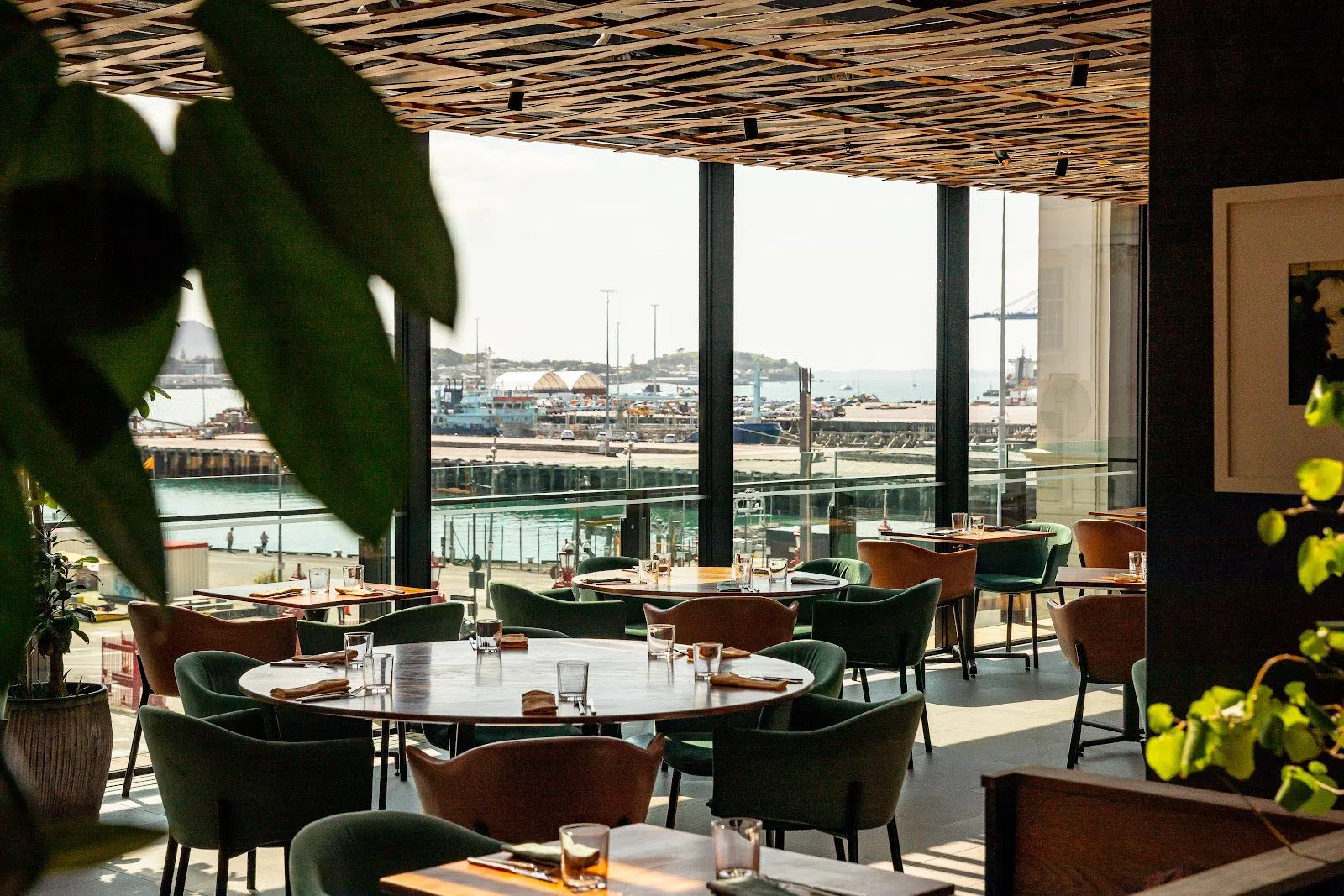
Ahi (Commercial Bay, city centre) is Ben Bayly's restaurant and holds one MICHELIN star in the inaugural New Zealand guide. It is the benchmark meal of a short visit: New Zealand ingredients, cooked by someone who has spent his career arguing they deserve the attention. It costs from about NZ$130 a head à la carte, more for the tasting menu. Bookings are essential and difficult at short notice. A larger table is possible but needs weeks of warning, so if a group dinner at Ahi matters, arrange it before you book flights, not after you land.
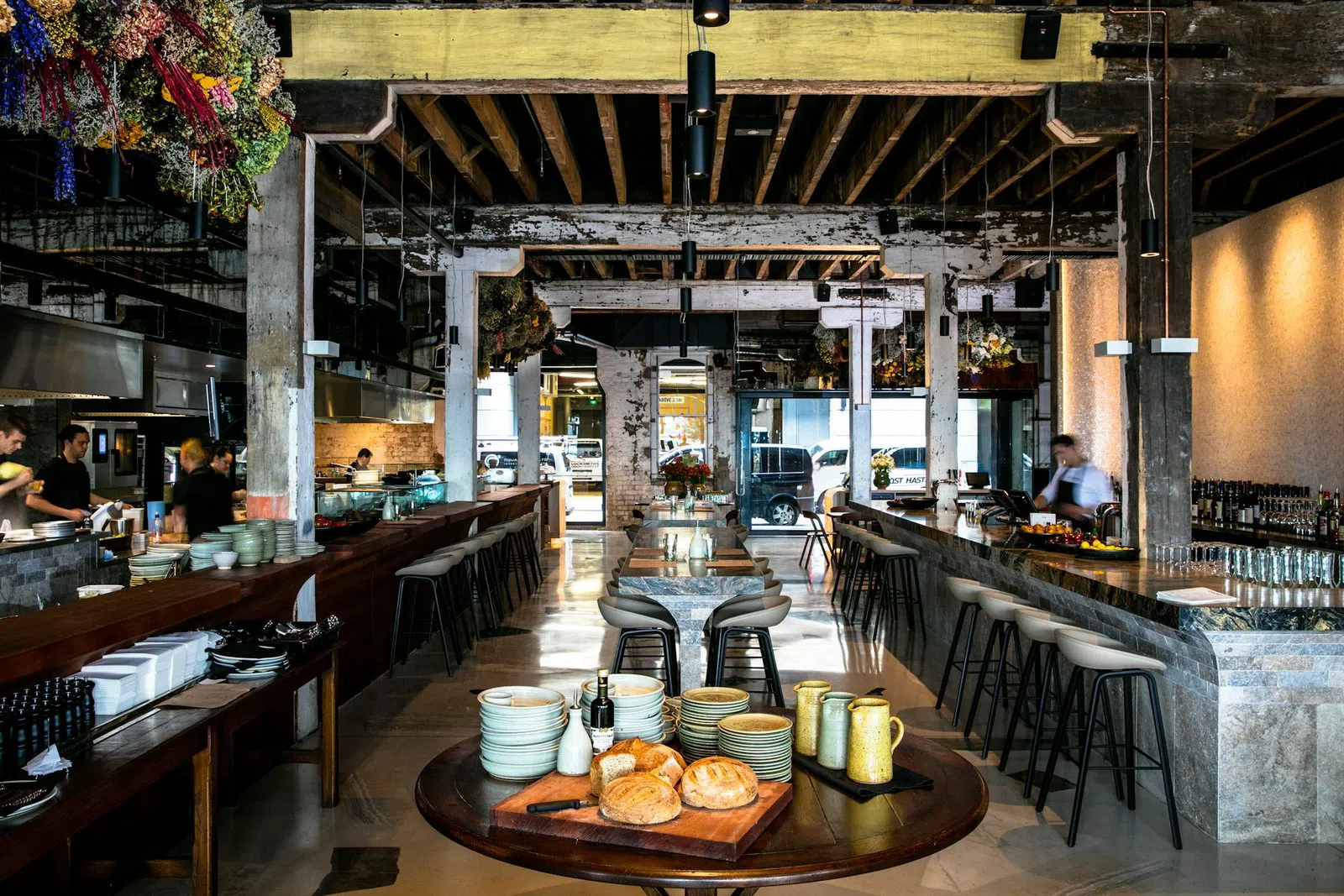
For everything else, Amano (Britomart, a two-minute walk away) does the job without ceremony. Rustic Italian built on New Zealand produce, service from breakfast through to late, NZ$40 to NZ$70 a head, and a bakery counter that will feed you when the dining room is full. It takes groups readily, which Ahi effectively does not.
Two excursions that need deciding early
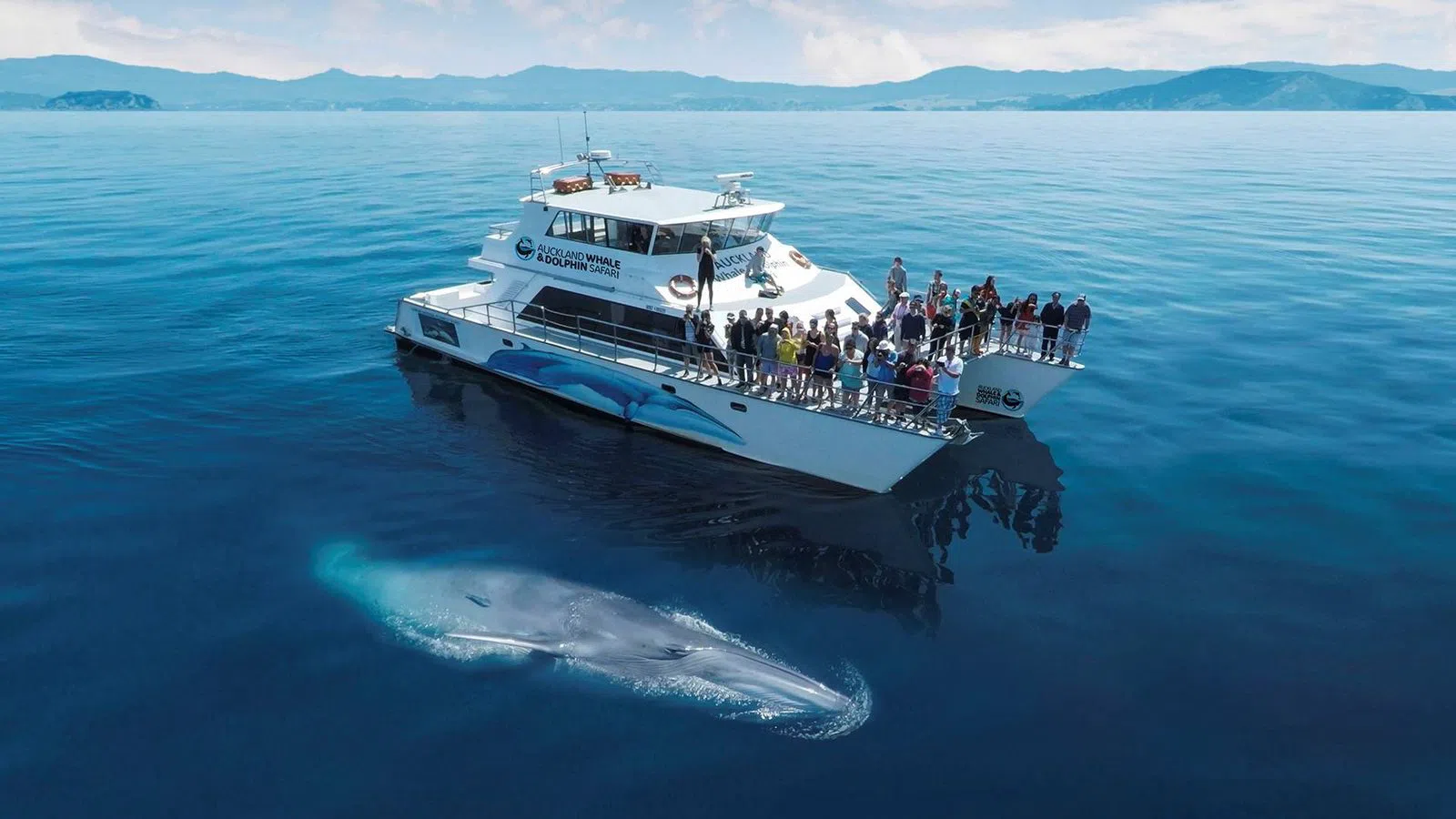
Auckland Whale & Dolphin Safari (Berth 9, Eastern Viaduct) is a working research operation rather than a sightseeing boat, and that is what makes it good. Around NZ$219 an adult, departing seven days a week between 10.30am and 3pm, with a return voucher if nothing is sighted. Check your dates before you get attached to the idea: safaris run from 1 April to 30 November only.
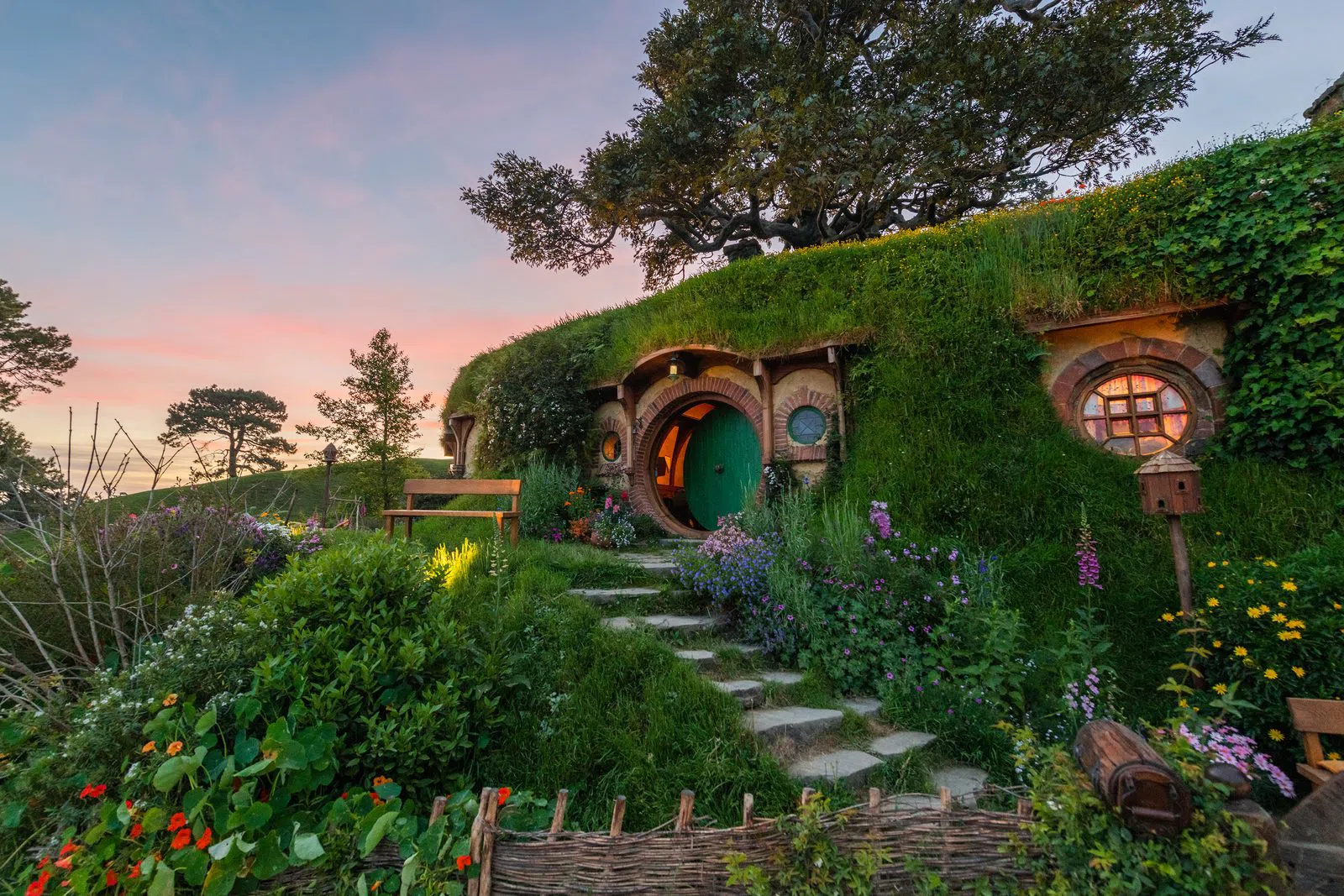
Hobbiton Movie Set (the Waikato, roughly two hours south by road) is the one out-of-region trip that justifies itself, and it will consume an entire day of your three. Tours leave every fifteen to thirty minutes in peak season and handle coach-sized groups comfortably; entry on site is NZ$89, and a coach day trip from Auckland runs NZ$189 to NZ$249. Book two to three months ahead for December to February. If nobody in the party cares about the films, skip it without guilt, because an island day is a better use of the same hours.
Fitting it into three nights
A shape that works: arrive, go up the Sky Tower, walk Maungawhau at the end of the afternoon, eat at the Fish Market. Give the second day entirely to one island, and dine in the city that night. On the third, take the early ferry to Devonport and North Head, come back for the Art Gallery, and keep the evening free. If your third day falls on a Saturday, put the markets first and move the gallery to whenever it rains. That leaves the west coast and the film set as alternatives to the island day rather than additions to it, since three nights does not stretch to both.
Practical matters
Ferries leave from the downtown terminal on Quay Street and are the backbone of the good days here; contactless cards work on ferries and buses, and the only place you will genuinely want cash is Ōtara. A rental car earns its keep on exactly two trips, Piha and the drive south, and is a liability in the centre, where parking is expensive and everything worth doing is walkable or a ferry ride away. Staying in the city centre, Britomart or Parnell keeps you inside that walking radius; the Auckland hotel search covers all three, and rates climb sharply from December through February.
On timing, summer brings the crowds and the sold-out sailings, while April to November is when the whale safari operates and the islands are quiet. Tipping is not expected anywhere in New Zealand, and prices quoted here are in New Zealand dollars.
As for money: three nights of the cheap version (free maunga, free gallery, ferry to Devonport, markets and the Fish Market) comes in under NZ$150 a person in activities and food. Add one island day and one serious dinner and you are closer to NZ$450. Add the film set, the whale boat and a tasting menu and you will pass NZ$900 without difficulty. The city rewards the first version more than most places do, which is reason enough to spend the budget on the water and the mornings on foot. For more of the city beyond these three nights, see the full Auckland guide.
Before you go
Is three nights enough for a first visit to Auckland?
It is enough for the isthmus and one island, and not much more. A workable split is an orientation afternoon (Sky Tower and Maungawhau), one full day on the water, and a third day of ferries, museums and markets. Adding both Piha and the film-set day trip on top of that is what turns a good three nights into a rushed one.
Are the Māori galleries at Auckland War Memorial Museum open in 2026?
No. The Māori Court and the Pacific galleries are closed for asbestos remediation and redevelopment with no firm reopening date, which is why international admission is discounted to around NZ$27. The natural history floor, the war memorial galleries and the thirty-minute Māori cultural performance are all still running. For Māori and Pacific art in the meantime, Auckland Art Gallery Toi o Tāmaki is showing it, and general admission there is free.
Rangitoto, Tiritiri Matangi or Waiheke — which island for a single day?
Rangitoto for geology and a two-hour summit walk at about NZ$60 return, but carry all your food and water because the island has neither. Tiritiri Matangi for wildlife at about NZ$100 return, sailing Wednesday to Sunday and booked out weeks ahead from November to April. Waiheke for lunch at Mudbrick, with a ferry from NZ$46.50 return off-peak and mains at NZ$45 to NZ$60.
Can you get to Piha Beach without a car?
Not on public transport, because there is none. It is a rental car or an organised tour. Once there, swim only between the red and yellow flags during patrol hours; the surf is genuinely dangerous. The Lion Rock summit track is closed indefinitely after a rockfall, while Kitekite Falls and the Mercer Bay Loop are open, and kauri dieback closes Waitākere tracks at short notice, so check council closures the same morning.
How far ahead do you need to book dinner at Ahi?
Weeks, and longer for a table of more than four. It holds a MICHELIN star, and short-notice availability is rare. If you want it, book it before the flights. Amano in Britomart is the fallback that actually works for groups: all-day service, NZ$40 to NZ$70 a head, and a bakery counter when the dining room is full. Auckland Fish Market in Wynyard Quarter takes walk-ins of any size with no booking at all.